The Truth Behind “A Grade Used Clothing”
If you’ve ever imported second-hand clothing, you’ve probably heard this promise:
👉 “100% A grade used clothing”
But here’s the uncomfortable truth:
👉 Not all A grade used clothing is the same — and sometimes, it’s not even close.
In the global second-hand clothing trade, there is no universal grading standard. What one supplier calls A grade may be considered B grade by another.
This article reveals what A grade really means, how suppliers define it, and how importers can avoid costly mistakes.
1. The Industry Reality: No Global Standard
Unlike regulated industries, used clothing grading is not standardized.
There is no ISO, no official certification, and no global rulebook.
👉 Instead, A grade used clothing is defined by:
- Individual sorting factories
- Regional practices
- Supplier honesty (or lack of it)
👉 This is why:
Two A grade shipments can have completely different quality levels.
2,What A Grade Used Clothing SHOULD Mean
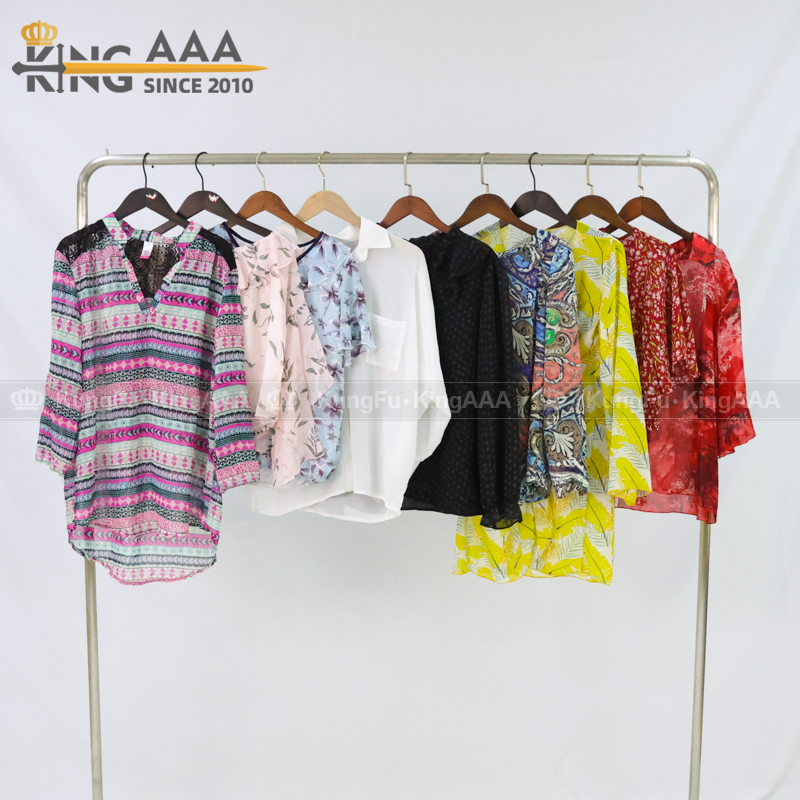
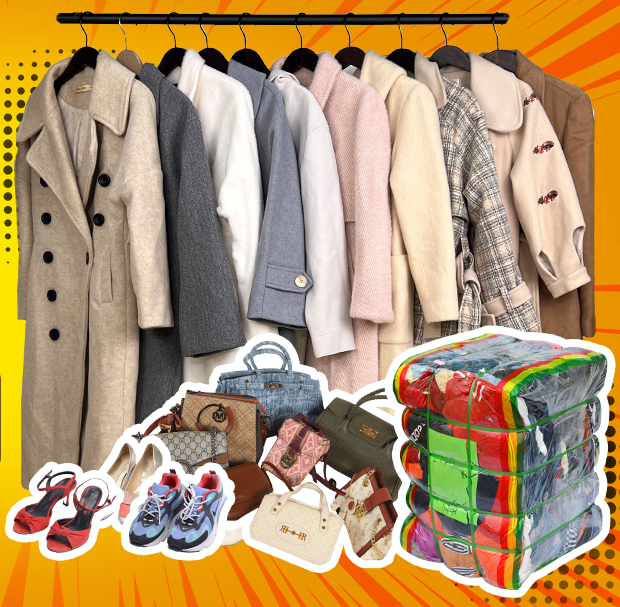
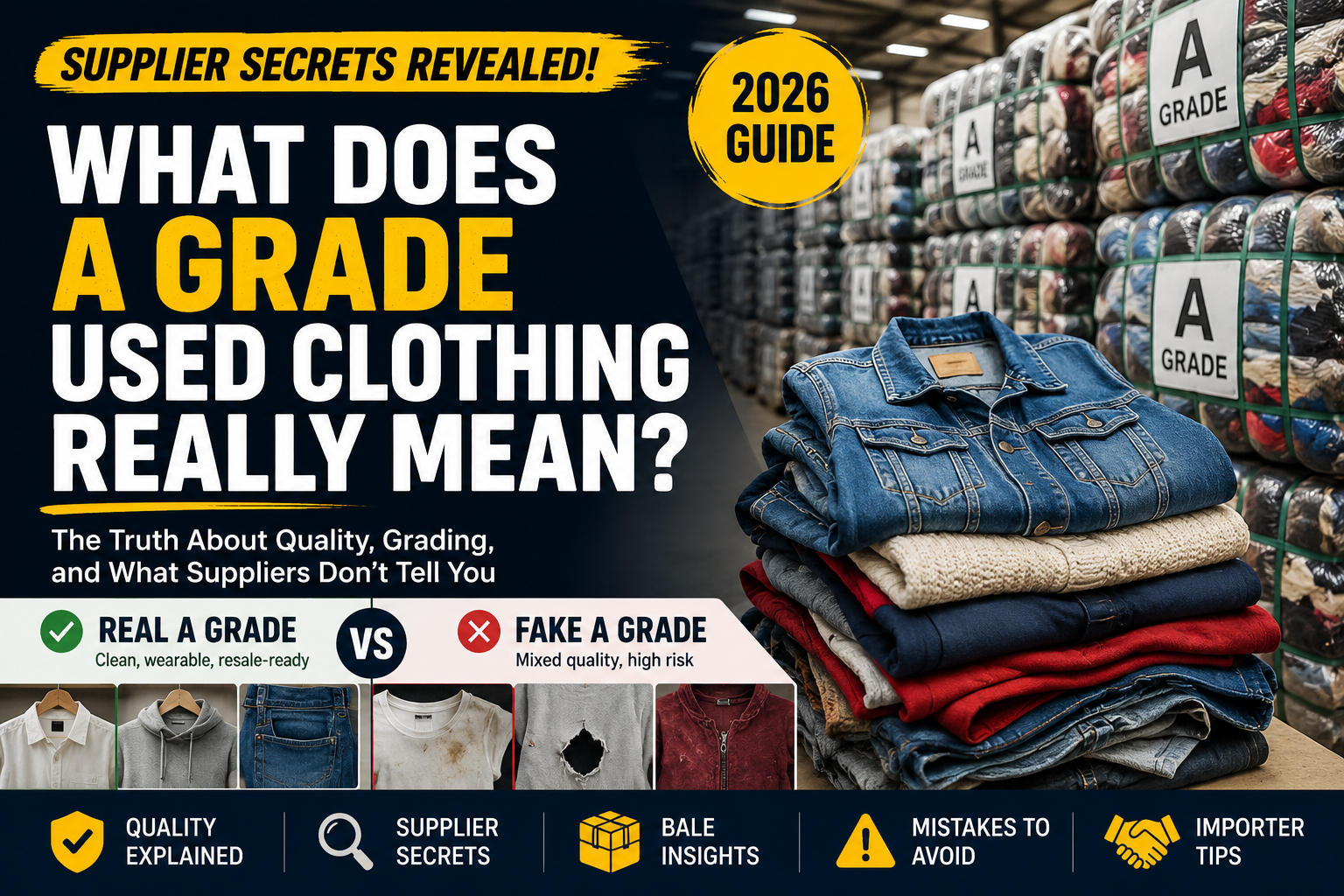
In a professional and transparent system, A grade used clothing should meet these standards:
✔ Clean and wearable
- No major stains
- No bad odors
✔ No structural damage
- No holes
- No broken zippers
✔ Good appearance
- Minimal signs of wear
- Presentable for resale
✔ Ready-to-sell
- No washing or repair required
👉 In simple terms:
A Grade = Resale-ready clothing
3. The Hidden Truth Suppliers Don’t Tell You
Here’s the part most suppliers won’t openly explain:
👉 A grade is not 100% perfect
Industry Reality:
- 5%–10% lower-grade items may be mixed in
- Minor defects are often accepted
👉 Why?
Because:
- Sorting is manual
- Human error is unavoidable
- Speed matters in bulk export
4,How Some Suppliers “Fake” A Grade
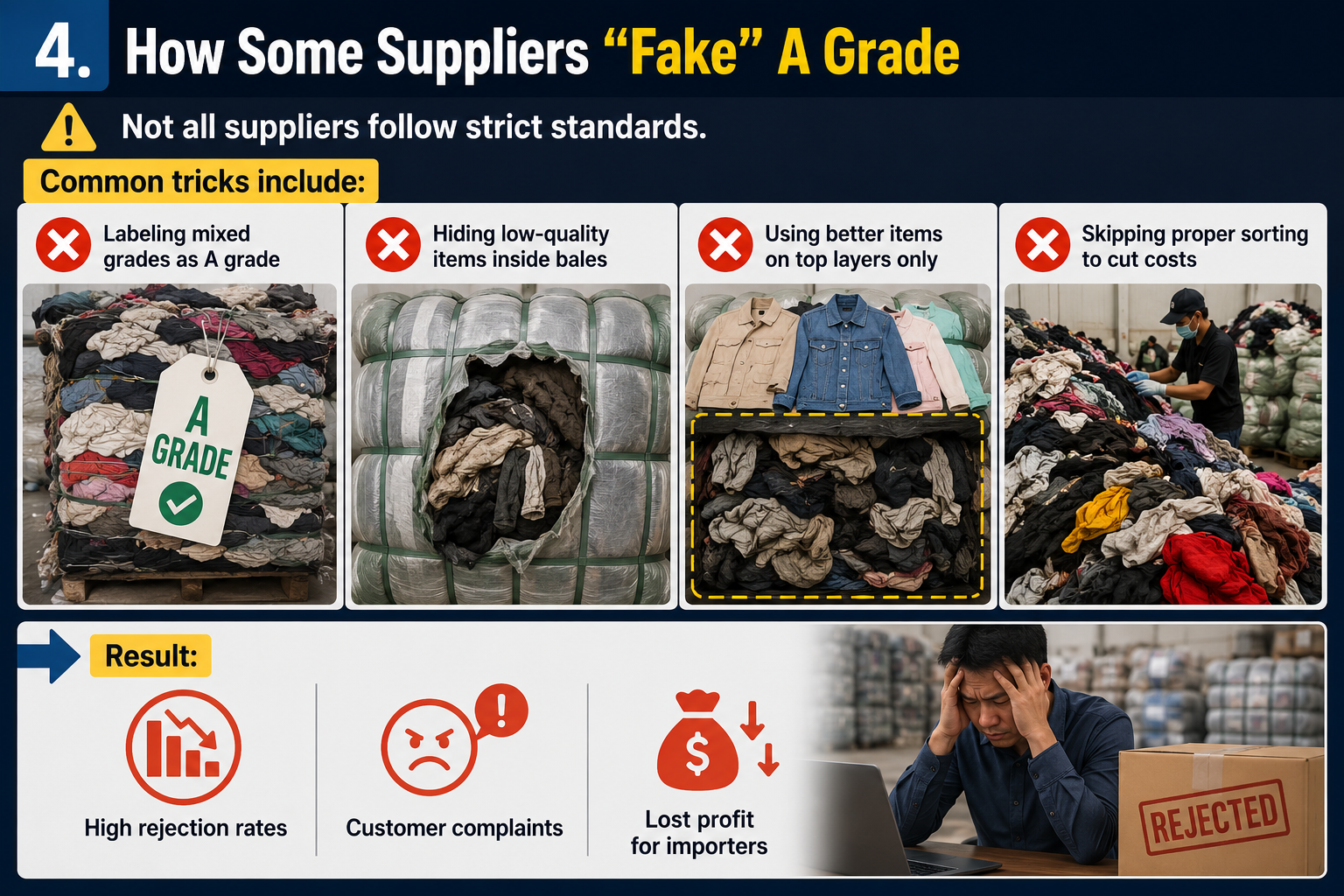
Not all suppliers follow strict standards.
Common tricks include:
❌ Labeling mixed grades as A grade
❌ Hiding low-quality items inside bales
❌ Using better items on top layers only
❌ Skipping proper sorting to cut costs
👉 Result:
- High rejection rates
- Customer complaints
- Lost profit for importers
5,Why Bale Quality Is More Important Than “Grade”
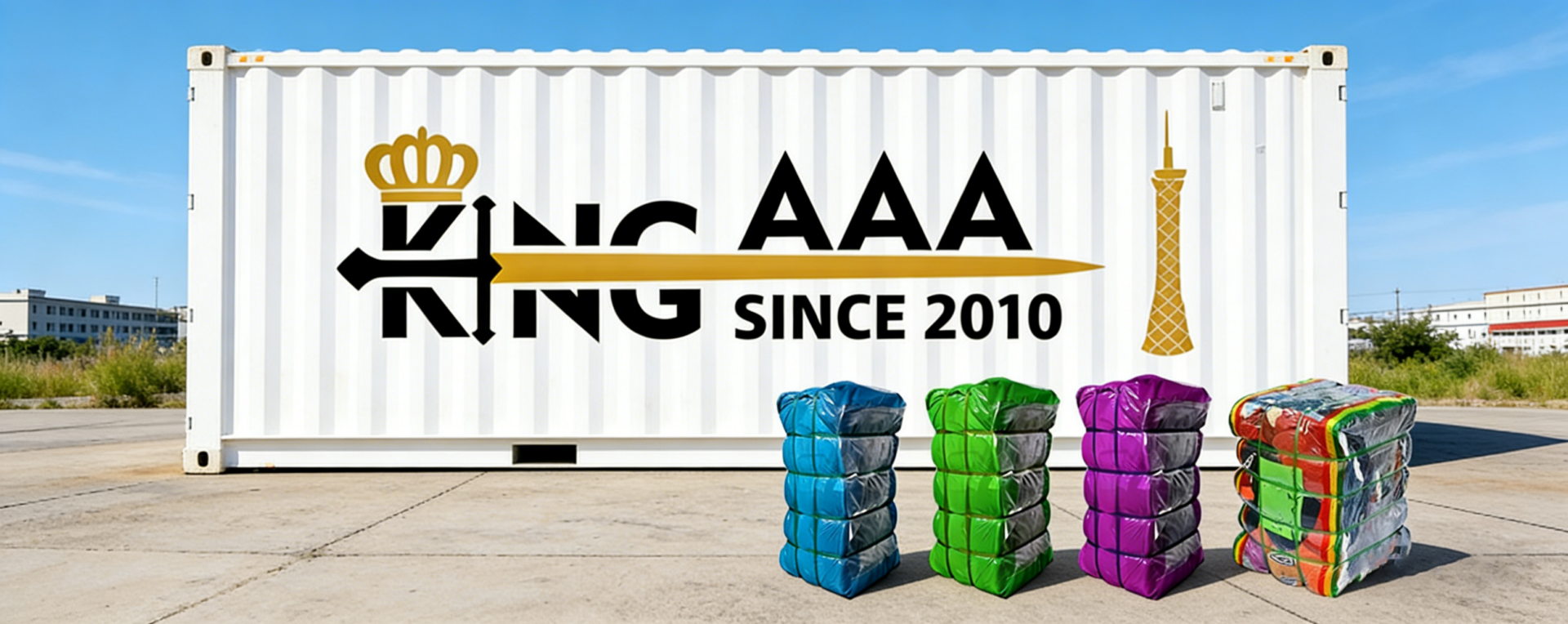
Many importers focus too much on the label “A grade”.
But professionals focus on:
👉 Bale consistency
A good A grade bale should have:
- Even quality throughout
- Low defect ratio
- Predictable resale value
👉 Because:
You don’t sell “grades” — you sell individual pieces.
6. Real A Grade vs Fake A Grade (Quick Comparison)
📊 Reality Check Table
| Factor | Real A Grade | Fake A Grade |
|---|---|---|
| Quality consistency | High | Unstable |
| Defect ratio | Low (≤10%) | High |
| Smell & cleanliness | Clean | Often unwashed |
| Customer complaints | Low | Frequent |
| Profitability | Stable | Risky |
7. How to Verify A Grade Before Buying
This is where smart importers win.
✅ Ask for real videos (not photos)
- Bale opening videos
- Random sampling
✅ Check sorting process
Ask:
- Is sorting manual or automated?
- How many quality checks?
✅ Start with small orders
- Test 1–2 containers first
- Evaluate resale rate
✅ Define your own standard
Instead of asking:
❌ “Do you have A grade?”
Ask:
✔ “What percentage is resale-ready?”
✔ “What defect rate do you guarantee?”
8. Pro Tip: Create Your Own A Grade Definition
Top importers don’t rely on suppliers — they define their own standards.
Example:
A+ Grade
- 95%+ resale-ready
- No defects
- Branded mix
A Grade
- Minor wear acceptable
- No functional damage
👉 This forces suppliers to meet YOUR expectations.
9. Final Truth: What A Grade Used Clothing Really Means
👉 A grade is not a fixed standard
👉 It is a quality range defined by the supplier
The real difference between successful and failed importers is:
👉 Not what they buy — but how they verify it
Conclusion: Buy Transparency, Not Just “A Grade”
In the used clothing business, trust is everything.
Instead of chasing the label “A grade”, focus on:
- Consistency
- Transparency
- Supplier reliability
👉 That’s how you build a profitable, scalable business.
📩 Work With a Transparent Supplier
We provide:
- Strict A grade sorting standards
- Bale inspection videos before shipment
- Consistent quality across containers
- Custom grading based on your market
👉 Contact us today to get real A grade used clothing — not just a label.
What is the difference between Grade A and Grade B secondhand clothing?
You can read this article《A Grade vs B Grade Used Clothes: Complete Importer Guide》