What Importers Must Know About Regulations and Cost Optimization
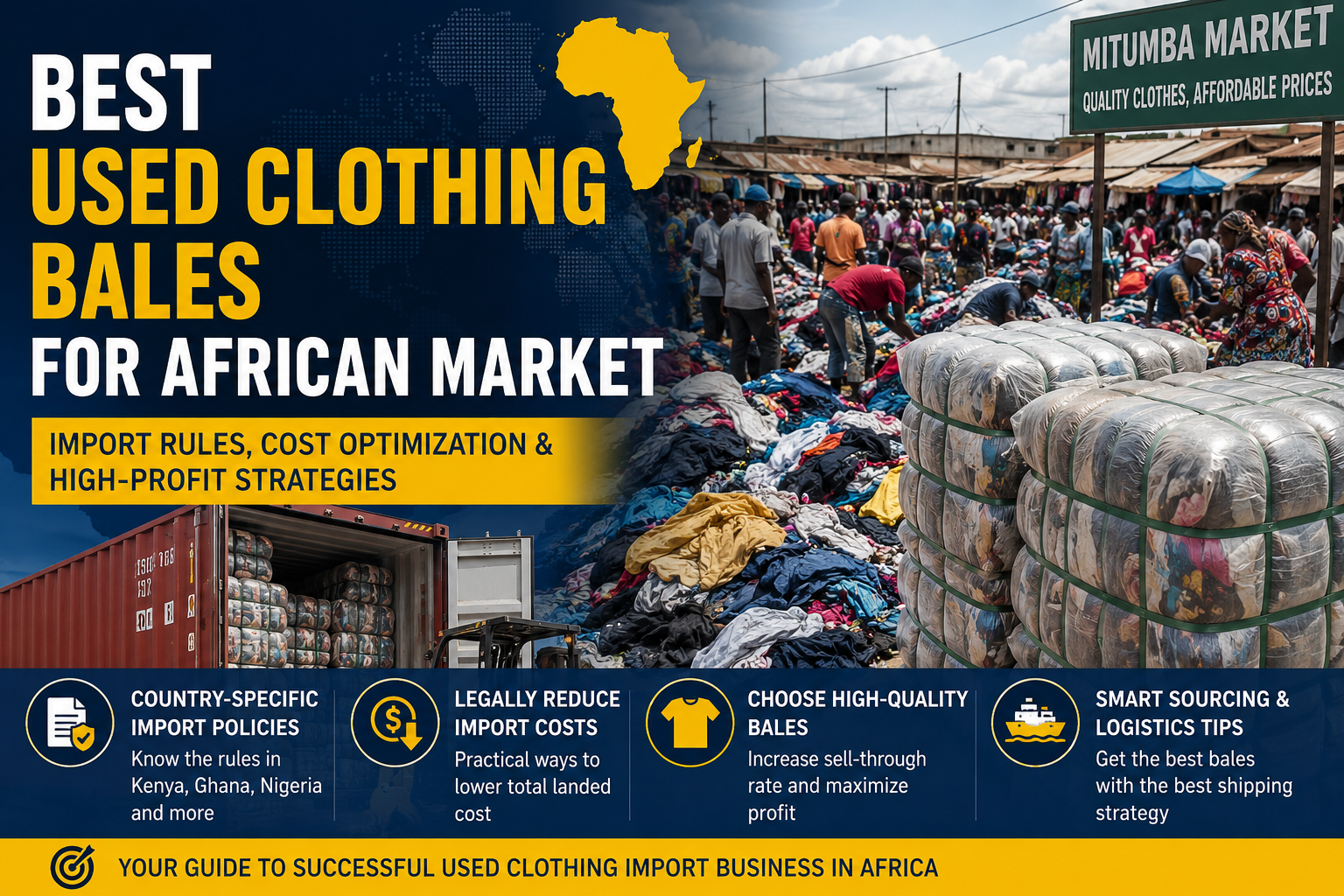
The Used Clothing Bales for African Market is one of the fastest-growing in the global textile trade. From Kenya’s thriving mitumba markets to Ghana’s fashion-driven resale hubs, demand continues to rise.
However, many importers fail—not because of poor demand, but because they misunderstand two critical factors:
- Different countries have completely different import policies
- Real profit comes from cost optimization, not avoiding taxes
In this guide, we break down exactly what you need to know before importing used clothing bales into Africa.
Table of Contents
1. Africa Is Not One Market: Policy Differences by Country
“Africa is not a single market. Each country is a completely different business model.”
This is the most important concept every importer must understand.
Each African country has its own rules regarding:
- Whether used clothing imports are allowed
- How duties are calculated
- Customs clearance requirements
- Market demand and resale structure
Ignoring these differences can lead to:
- Containers stuck at port
- Unexpected taxes
- Unsellable inventory
- Major financial losses
Kenya – The Largest Mitumba Market


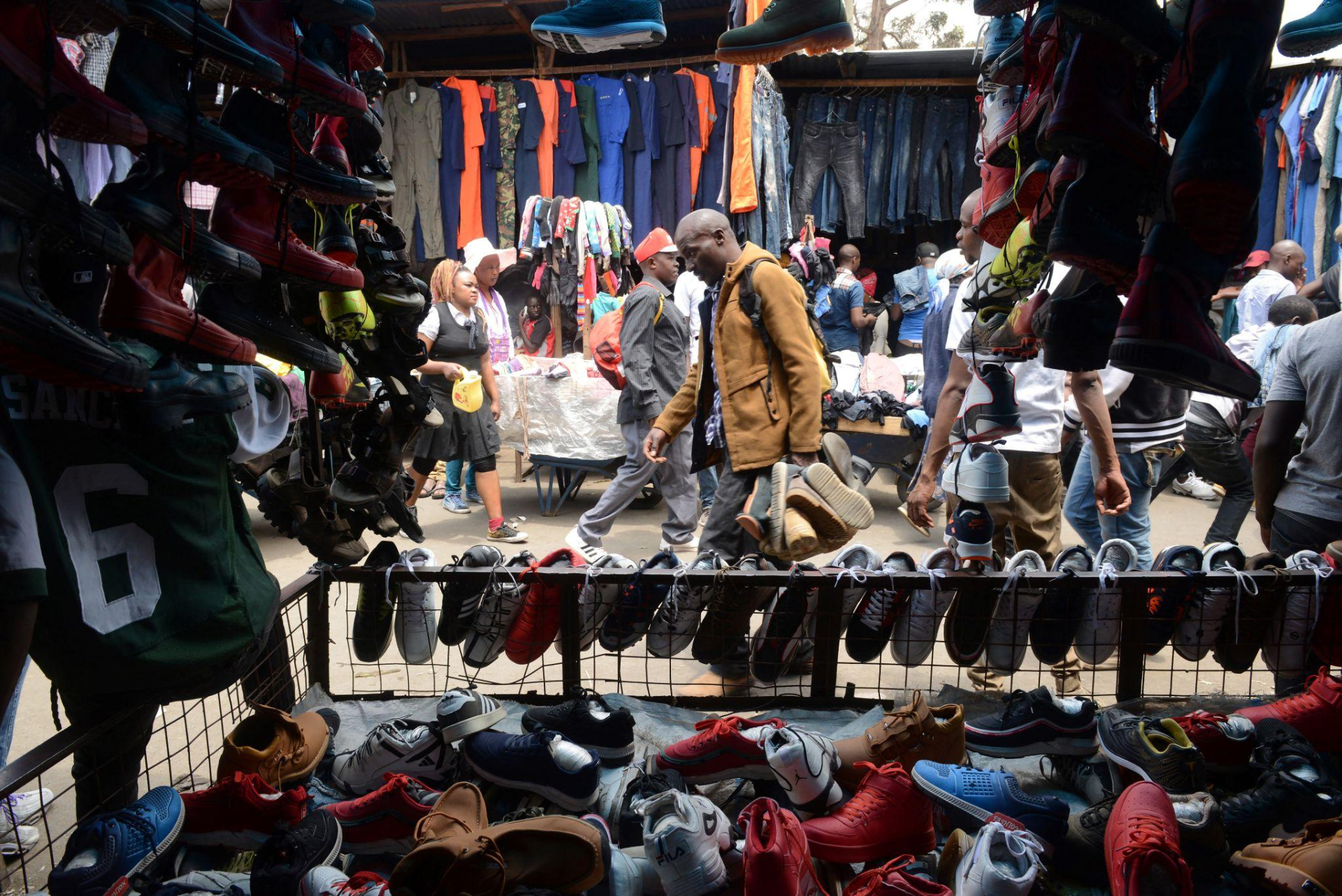
Kenya is the largest importer of used clothing in Africa and has a highly developed resale system.
Key Points:
- Operates under East African Community (EAC) regulations
- Import duty: often around 35% or weight-based taxation
- Strong nationwide distribution network
Risks:
- Increasing taxation trends
- Growing restrictions on low-quality clothing
👉 Best Strategy:
Focus on A/B-grade bales with strong resale value
Ghana – High Demand, High Cost Market

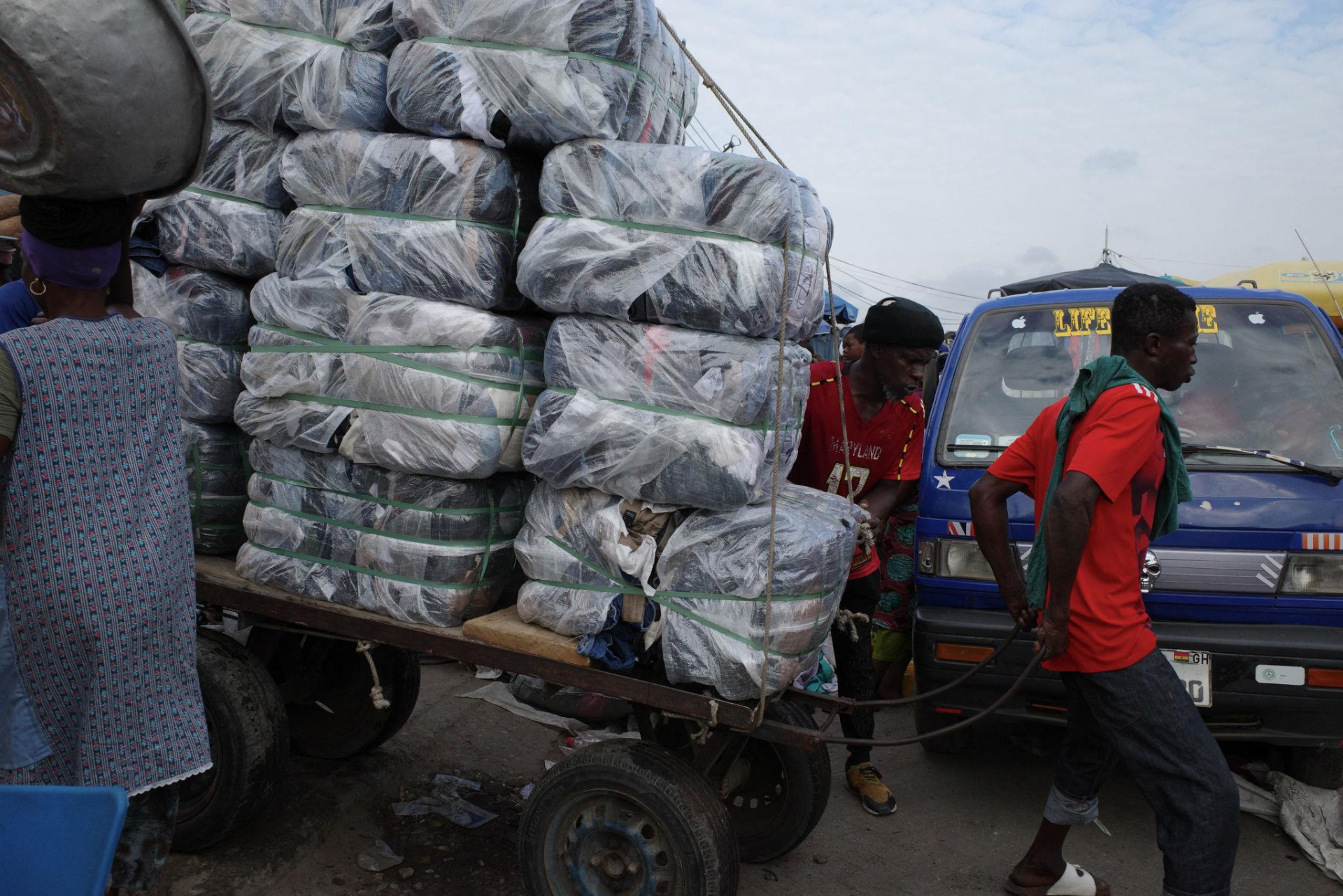
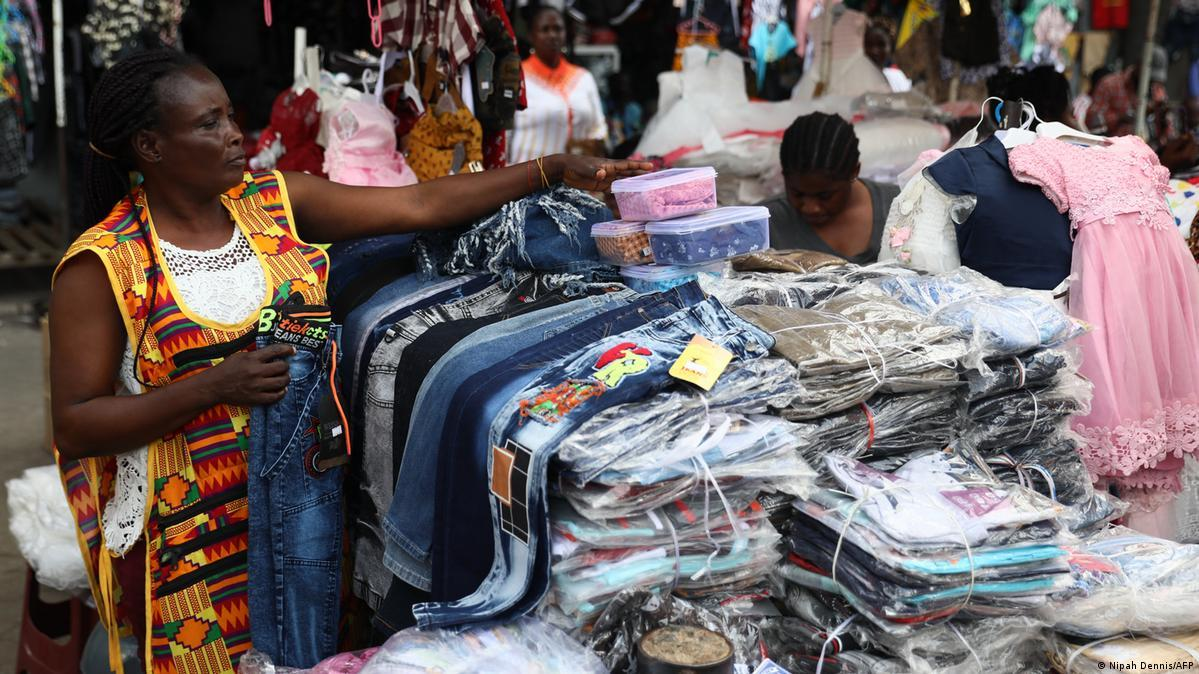
Ghana is one of the most active second-hand clothing markets in West Africa.
Cost Structure:
- Import duty
- VAT
- Port charges
- Inspection fees
👉 Total landing cost is often significantly higher than expected.
Risks:
- High proportion of unsellable fast-fashion waste
- High operational costs
👉 Best Strategy:
Ship fashionable, fast-moving products instead of low-end bulk
Tanzania – Strict Import Control


Tanzania has stricter import regulations compared to neighboring countries.
Requirements:
- Import permits
- Conformity certification (COC)
- Inspection compliance
Risks:
- Delays in customs clearance
- Documentation-related penalties
👉 Best Strategy:
Work with experienced suppliers and clearing agents
Nigeria – High Risk, High Reward
Nigeria has one of the largest populations in Africa, creating massive demand.
Reality:
- Official restrictions exist
- Market still operates through alternative channels
Risks:
- Unpredictable customs environment
- Reliance on local connections
👉 Best Strategy:
Only suitable for experienced importers with strong local networks
2. How to Legally Reduce Import Costs (Not Avoid Taxes)
Many new importers focus on “avoiding tax.”
In reality, professional traders focus on reducing total landed cost.
2.1 Optimize Declaration Strategy
Different countries use different taxation models:
- Per kilogram
- Based on CIF value
- Hybrid systems
👉 Your strategy must match the country.
Example:
- Weight-based tax → reduce unnecessary weight
- CIF-based tax → control declared value structure
2.2 Improve Container Efficiency

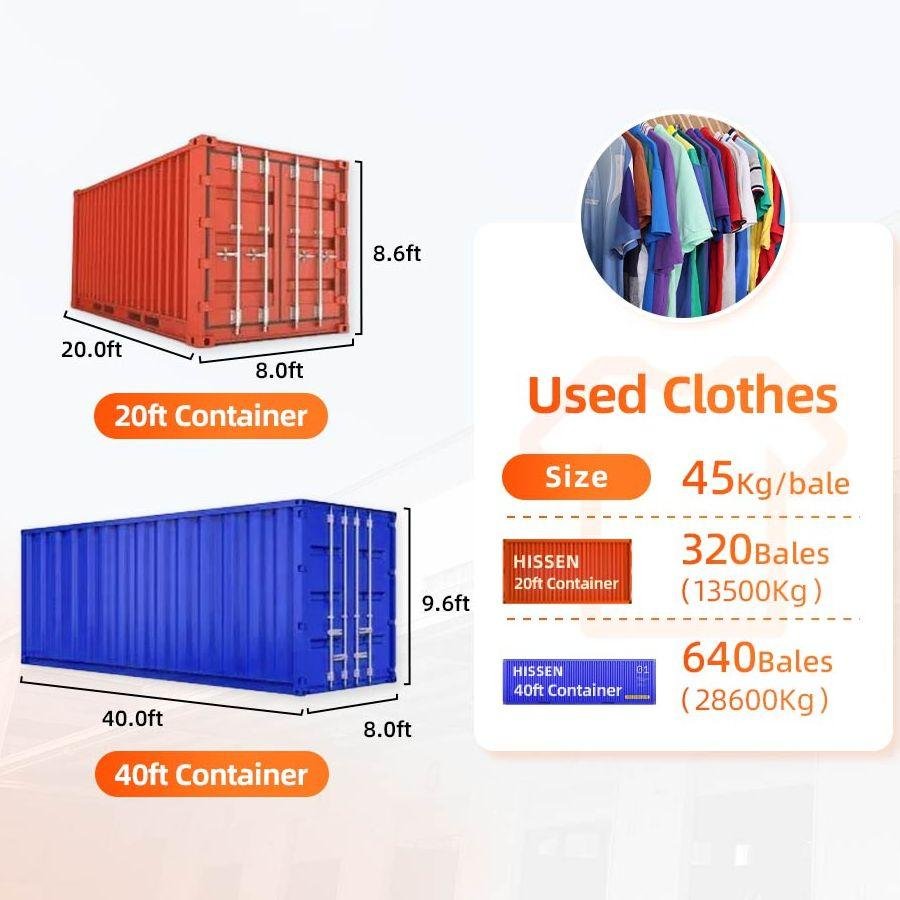
Container loading efficiency directly impacts cost.
Example:
- Standard load: ~22 tons
- Optimized load: ~26 tons
👉 Cost per kg drops significantly
2.3 Reduce Unsellable Inventory (The Hidden Cost)


The biggest loss is not tax—it’s unsellable products.
Common Problems:
- Fast fashion waste (SHEIN, low-quality polyester)
- Outdated styles
- Damaged clothing
👉 Even 20–30% unsellable rate can destroy your profit
Solution:
- Increase cream / A-grade ratio
- Avoid low-quality bulk bales
- Match product mix to local demand
2.4 Choose the Right Sourcing Country
China – Best Cost Control Option
Advantages:
- Lower shipping costs
- Custom sorting available
- Stable supply chain
👉 Easier to control total landed cost
United States
Advantages:
- High brand value
Disadvantages:
- Higher logistics cost
Europe
Challenges:
- Increasing fast-fashion waste
- Lower resale rates
2.5 Work With the Right Clearing Agent
In many African countries:
The real cost is not just tax—it’s how your shipment is handled.
A good agent helps:
- Reduce delays
- Avoid unnecessary fees
- Speed up clearance
2.6 Optimize Logistics and Shipping Routes
If duties are based on CIF:
👉 Higher shipping cost = higher tax
Strategies:
- Choose stable shipping lines
- Avoid peak season rates
- Optimize container planning
Used Clothing Bales for African Market,Profit Comes From Strategy, Not Shortcuts.
The biggest mistake new importers make is trying to avoid taxes.
Successful importers focus on:
- Understanding each country’s policy
- Optimizing bale quality
- Reducing logistics cost
- Improving sell-through rate
If you’re not sure which market or bale type fits your business, choosing the wrong strategy can cost you an entire container.
We help African importers optimize bale quality, product mix, and container loading to reduce total costs and maximize resale value.