TThe global second-hand clothing trade is expanding rapidly, but so is the debate around textile waste in emerging markets, highlighting the critical need for used clothing quality control. In regions like Africa, large volumes of imported garments are discarded shortly after arrival, raising serious environmental and economic concerns..
At the center of this issue is one critical factor: used clothing quality control.
While second-hand clothing remains essential for millions of people, inconsistent sorting standards and low-grade exports are turning potentially valuable inventory into waste. For importers, this doesn’t just impact sustainability — it directly affects profitability.
Understanding how used clothing quality control works is no longer optional. It is the key to avoiding unsellable stock, protecting margins, and building a stable long-term business.
Table of Contents
Used Clothing Quality Control: Why It Matters More Than Ever in 2026
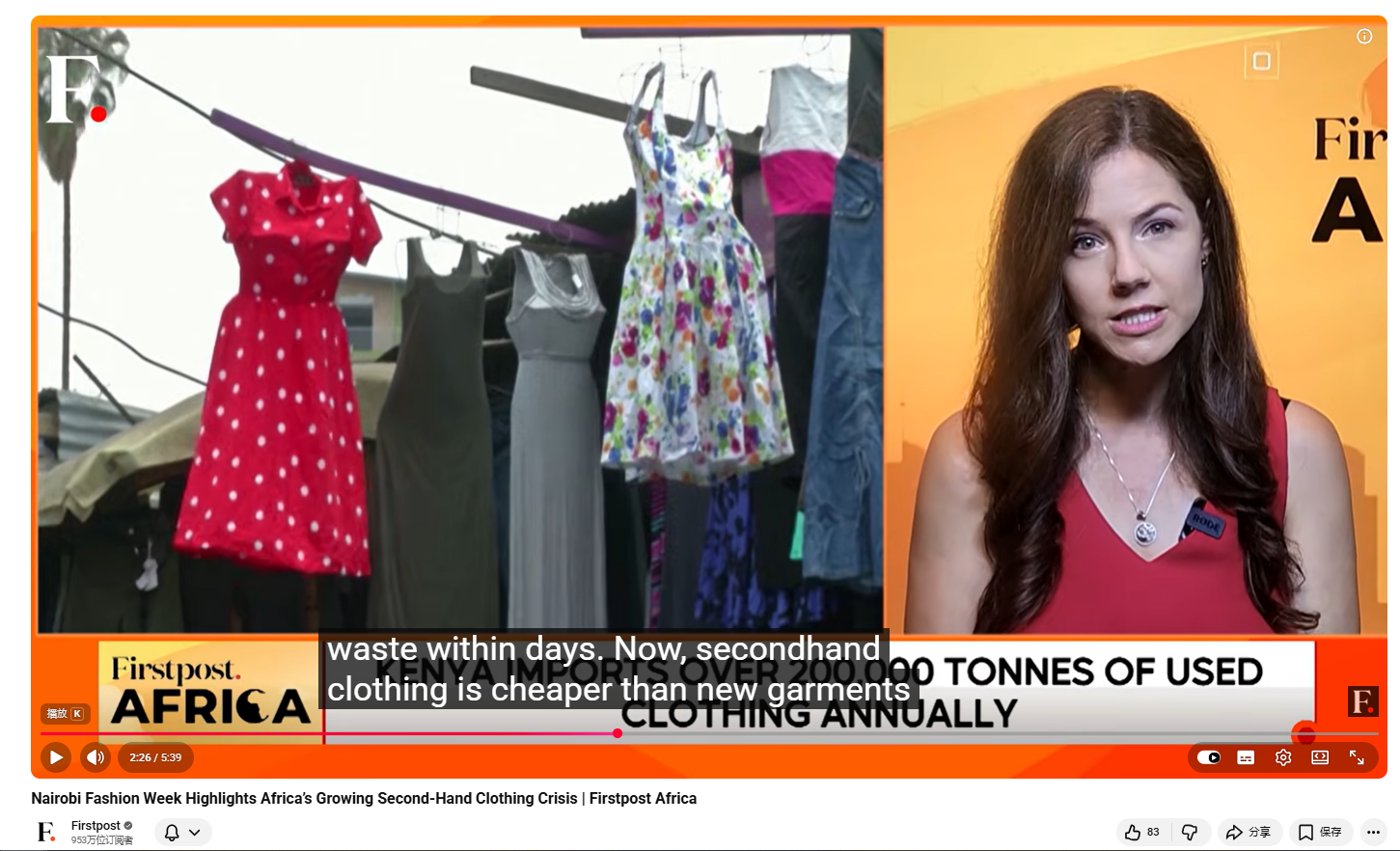
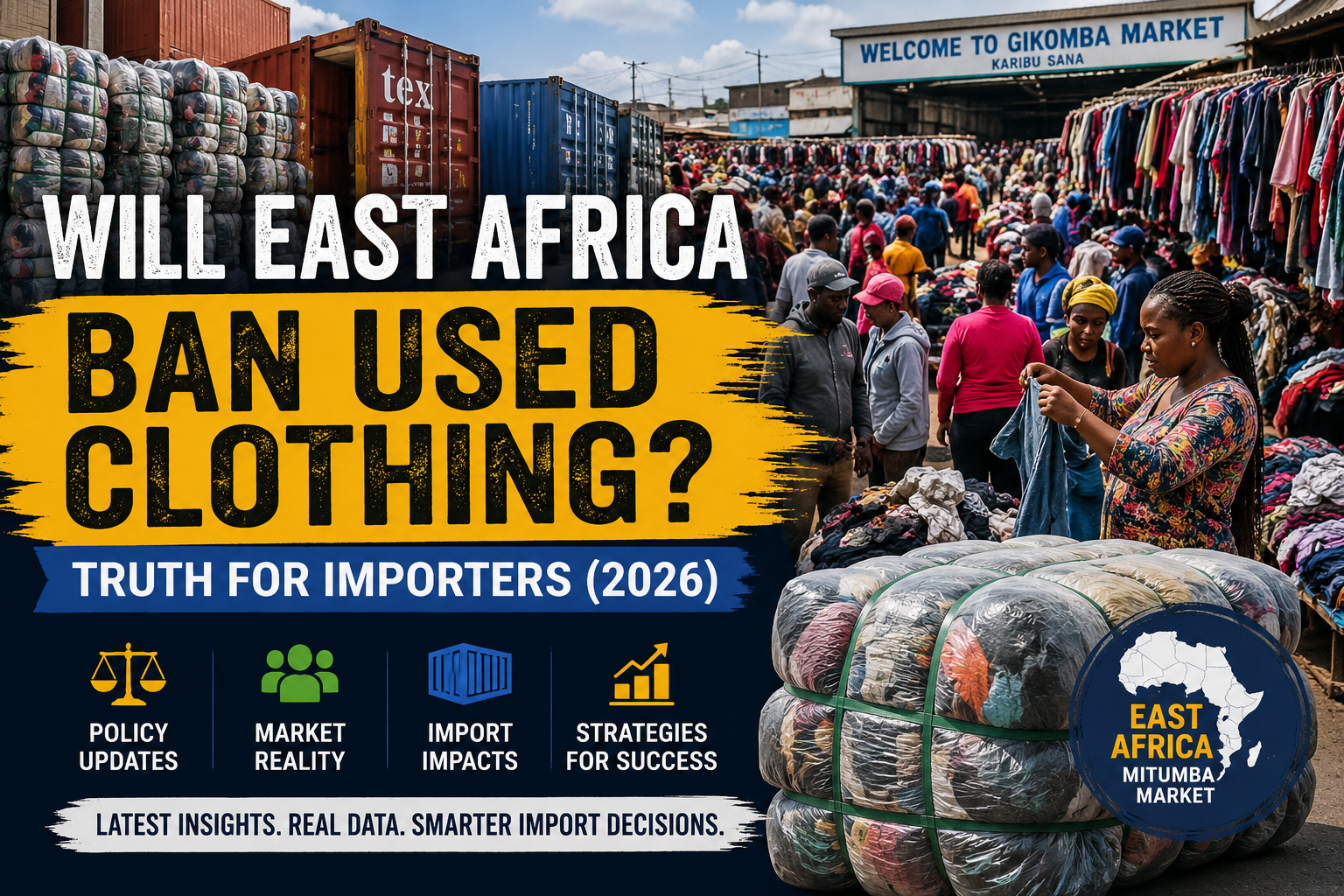
In recent years, the global second-hand clothing trade has come under increasing scrutiny. Reports from markets in Africa show a growing volume of unsellable garments ending up as waste within days of arrival.
But the real issue is often misunderstood.
It is not the concept of second-hand clothing that is failing — it is the lack of used clothing quality control across the supply chain.
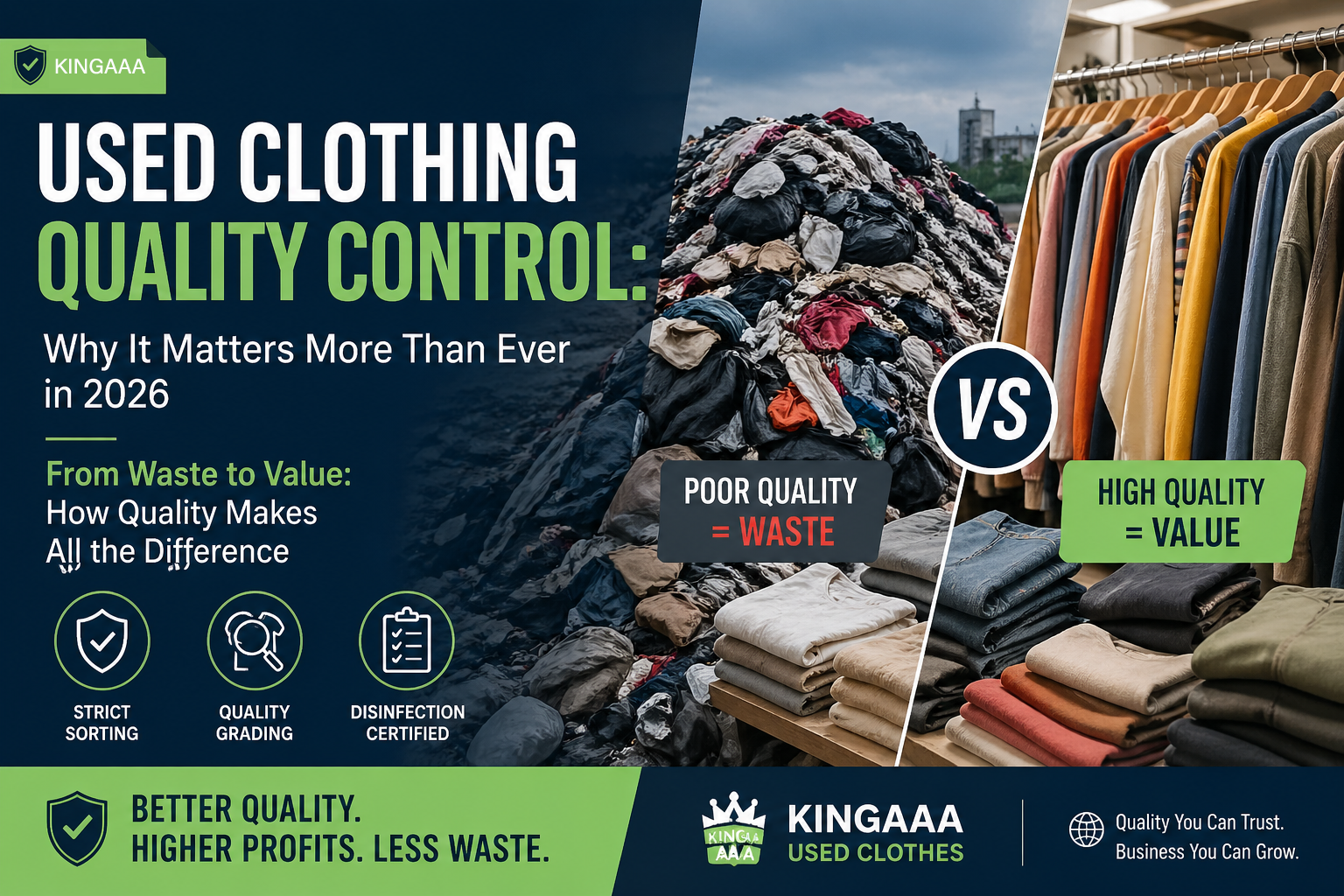
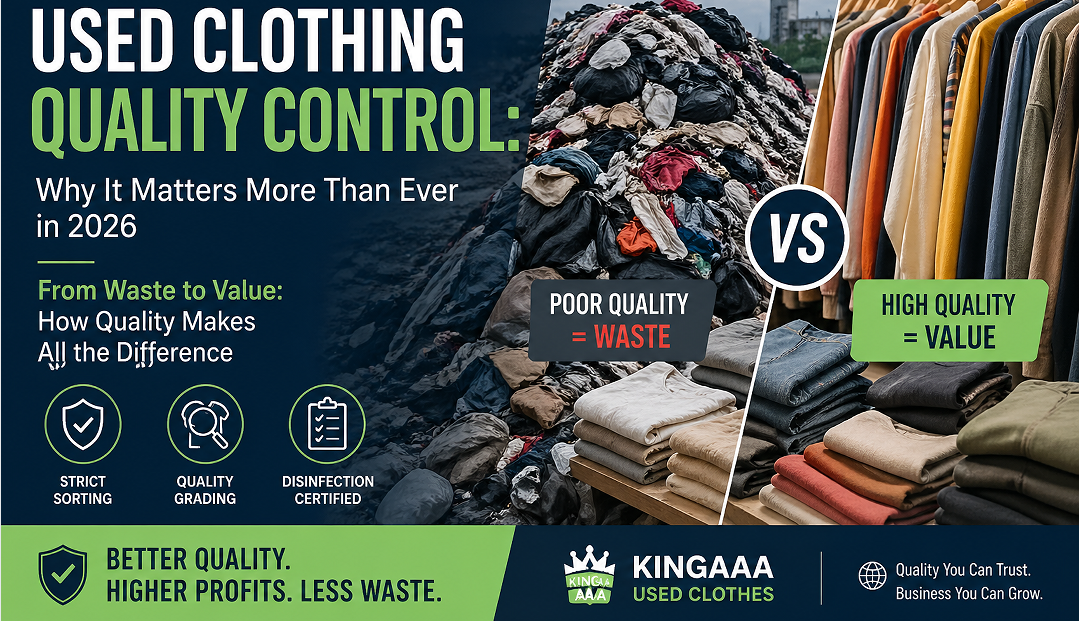
How Poor Used Clothing Quality Control Turns Bales Into Waste
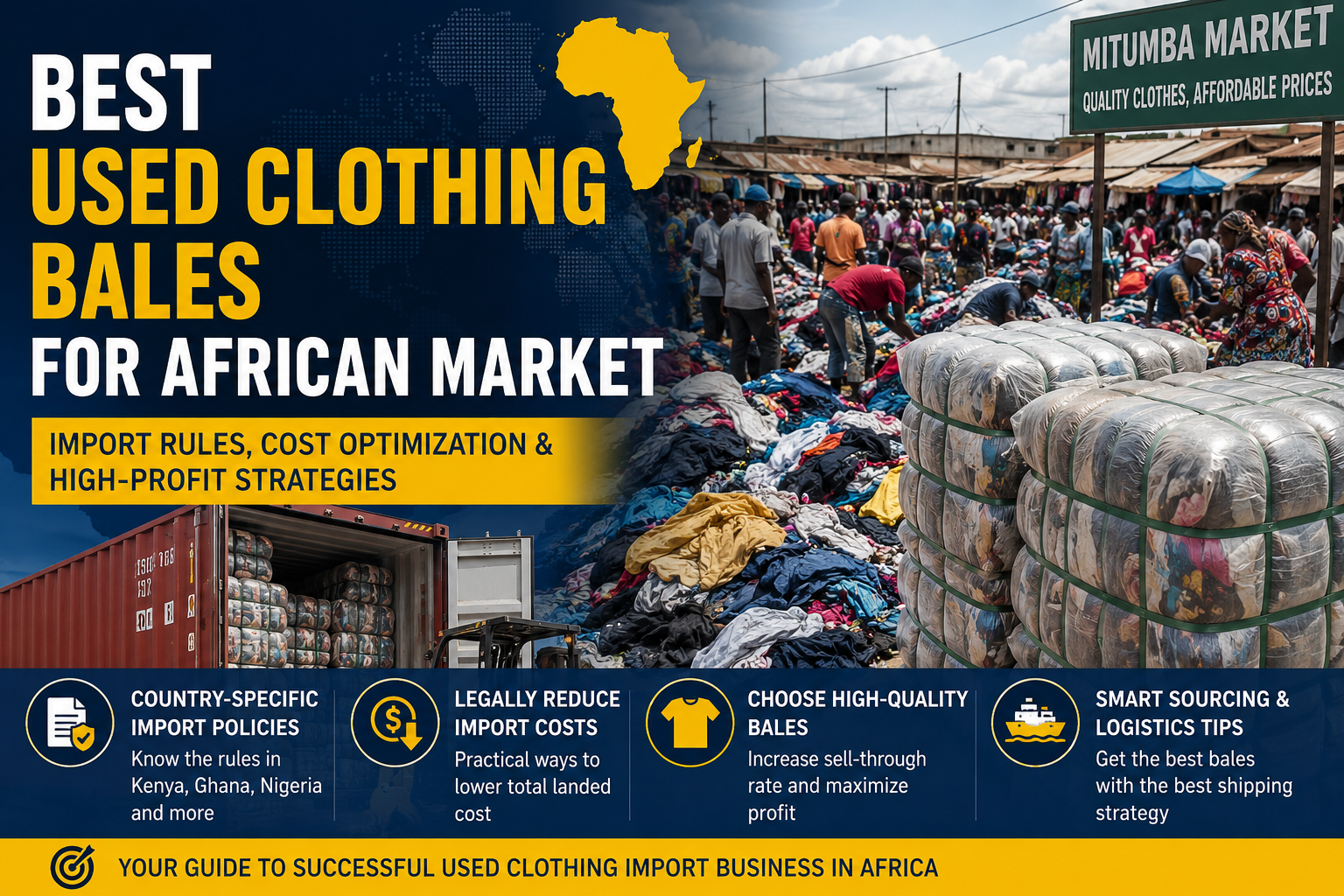
Every day, thousands of bales are opened in major resale markets. Buyers sort through them, hoping to find high-value items.
However, without proper used clothing quality control, many shipments contain:
- Overworn fabrics
- Torn or damaged garments
- Ultra-fast-fashion items with no durability
These items cannot be resold and quickly become textile waste.
The result?
👉 Lower profit margins for traders
👉 Increased environmental pressure
The Real Problem Behind Africa’s Second-Hand Clothing Crisis
The second-hand clothing industry supports millions of livelihoods. It provides affordable fashion and creates jobs across distribution networks.
However, the issue lies in inconsistent supply quality.
Low-grade exports are often mixed into shipments, creating a “lottery effect” where buyers take risks on every bale.
This is where used clothing quality control becomes the defining factor between:
- A profitable business
- A loss-making operation
What Buyers Should Know About Used Clothes Grading System
Understanding grading is essential.
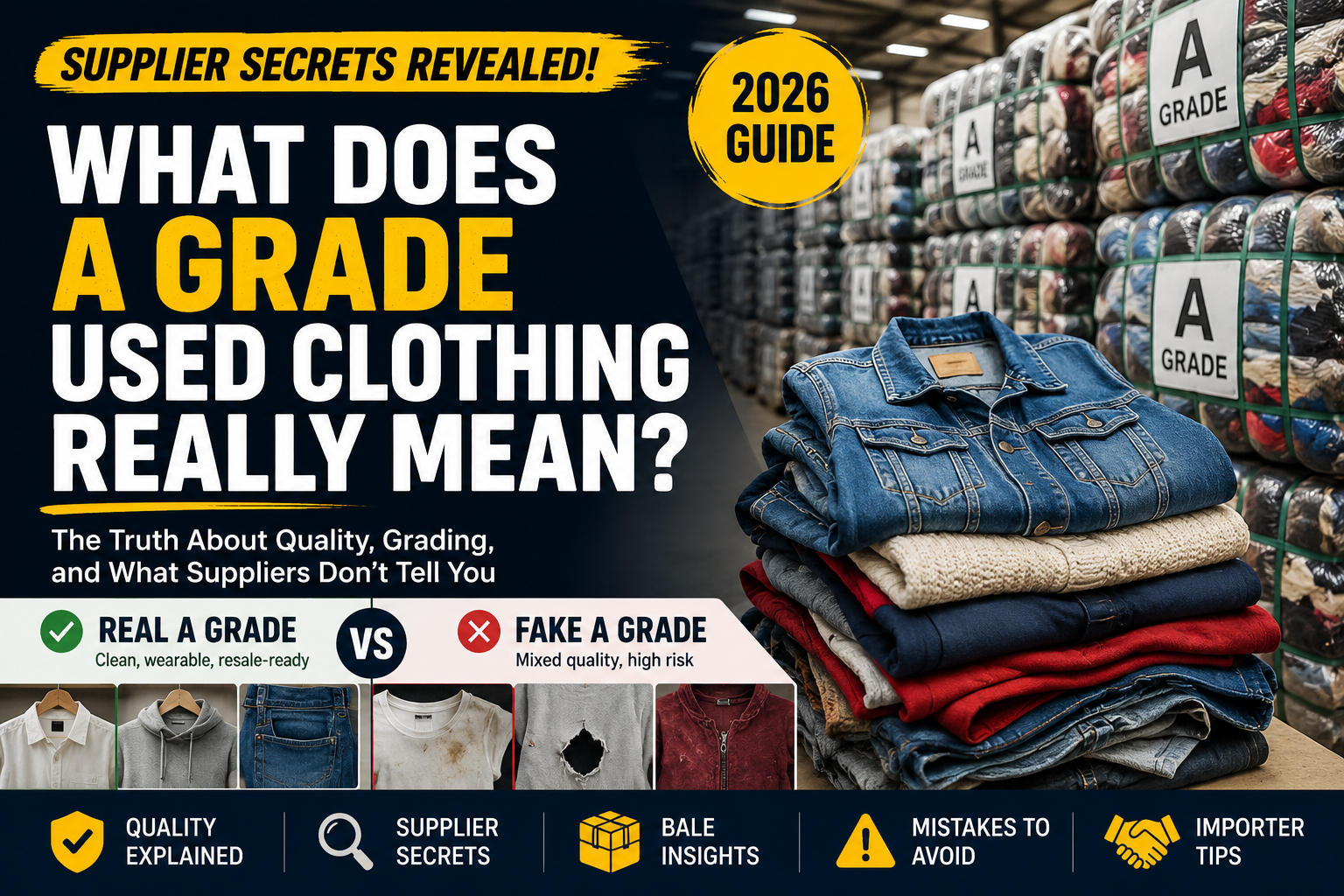
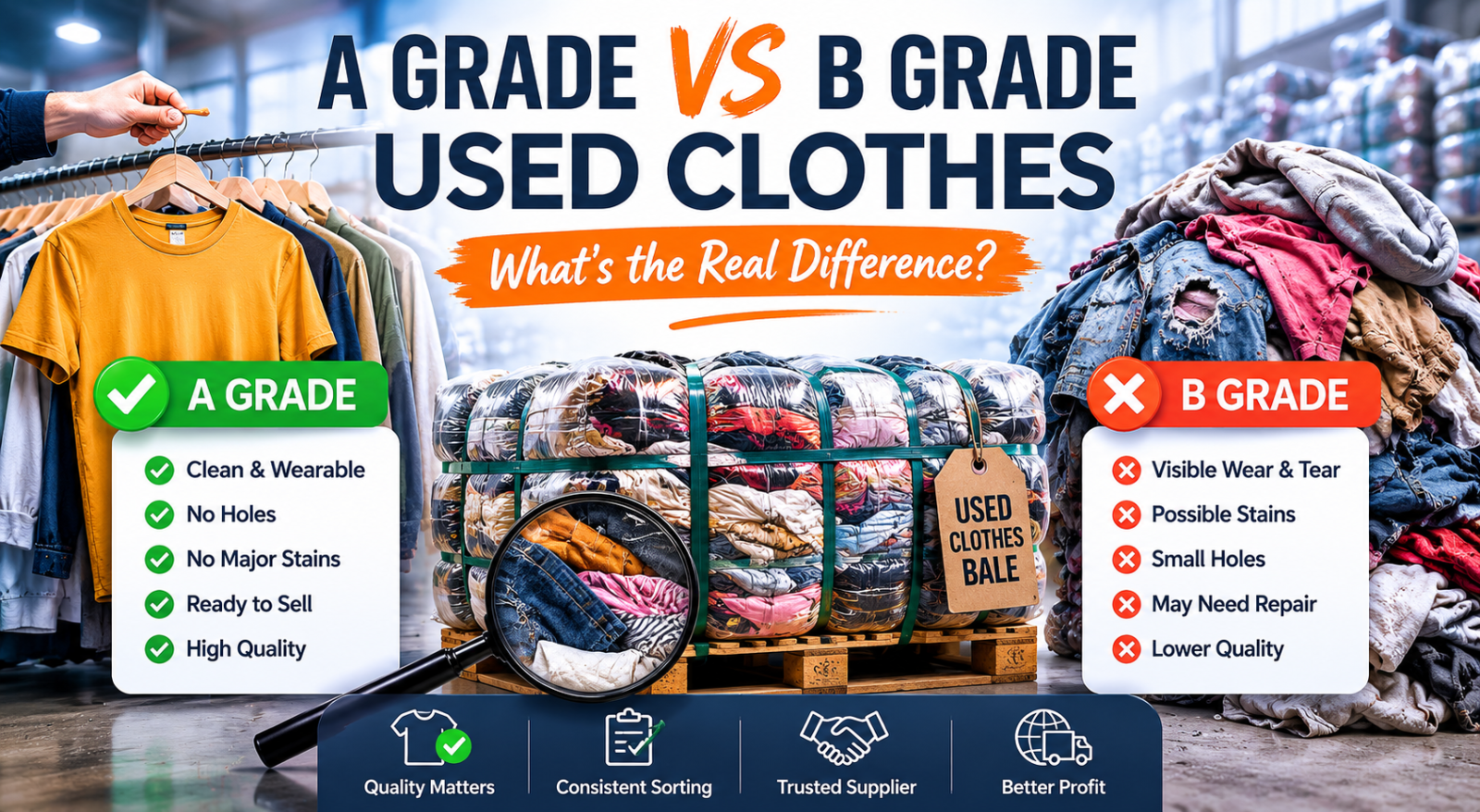
A-Grade vs B-Grade vs Waste: What’s Actually Sellable?
- A-Grade: Clean, wearable, high resale value
- B-Grade: Minor defects, still sellable
- Low-grade/Waste: Unsellable items
Without strict sorting, these categories get mixed — reducing overall value.
Why Low-Grade Imports Hurt Traders’ Profitability
Even a small percentage of unsellable clothing can significantly reduce profit.
Buyers are not just paying for weight — they are paying for sell-through potential.
How KingAAA Ensures Reliable Used Clothing Quality Control
At KingAAA, the focus is not just on exporting volume, but on delivering consistent quality.
Strict Sorting Process
Each garment is manually inspected and categorized to maintain grading consistency.
Disinfection and Certification Standards
All products go through standardized sanitization processes with proper documentation.
High Sell-Through Rate Focus
The priority is simple:
👉 maximize what can actually be sold
👉 For more information, please click here to contact us.
Conclusion
In today’s global market, success is no longer determined by price alone.
👉 It is defined by used clothing quality control.
Because in reality:
A bale is not valuable because it is cheap — it is valuable because it is sellable.
Official Report<Firstpost>