Second-hand clothing is often promoted as a sustainable solution to the environmental impact of fast fashion. By extending the life of garments and reducing the need for new production, it appears to offer a clear path toward a circular economy.
However, the reality is more complex.
The true effectiveness of second hand clothing sustainability depends heavily on the quality of the garments being circulated. In many global markets, a significant portion of imported second-hand clothing cannot be reused, quickly turning into waste and undermining sustainability efforts.
To fully understand second hand clothing sustainability, it is essential to look beyond the concept itself and examine how quality control, sourcing practices, and supply chain decisions shape real-world outcomes.
Table of Contents
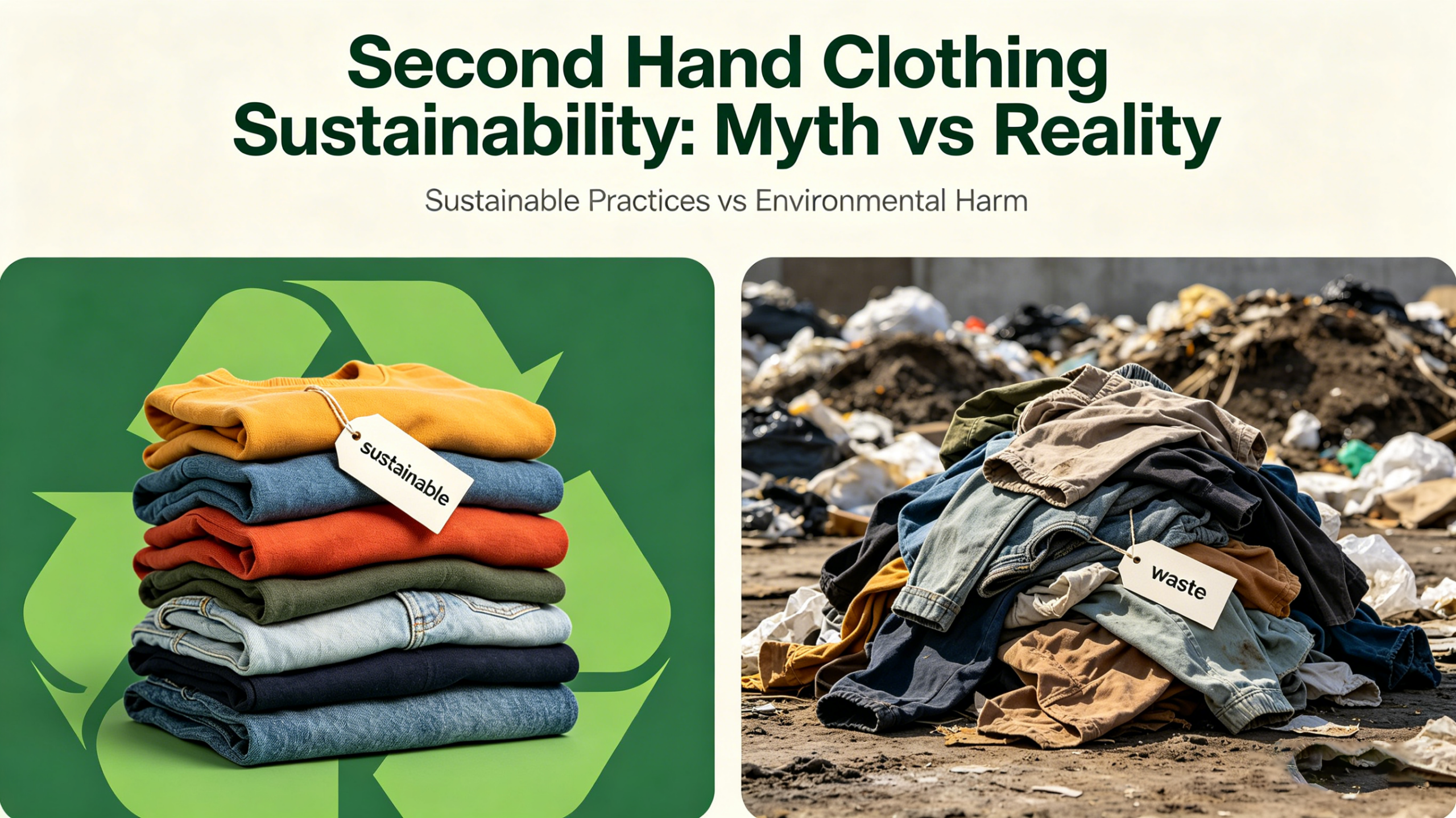
Second Hand Clothing Sustainability: Myth vs Reality
Second-hand clothing is often promoted as a sustainable alternative to fast fashion.
But is it truly sustainable?
The answer depends on one key factor: quality.
Why Second-Hand Clothing Is Considered Sustainable
The concept is simple:
- Extend garment life
- Reduce production demand
- Lower carbon footprint
This is the foundation of second hand clothing sustainability.
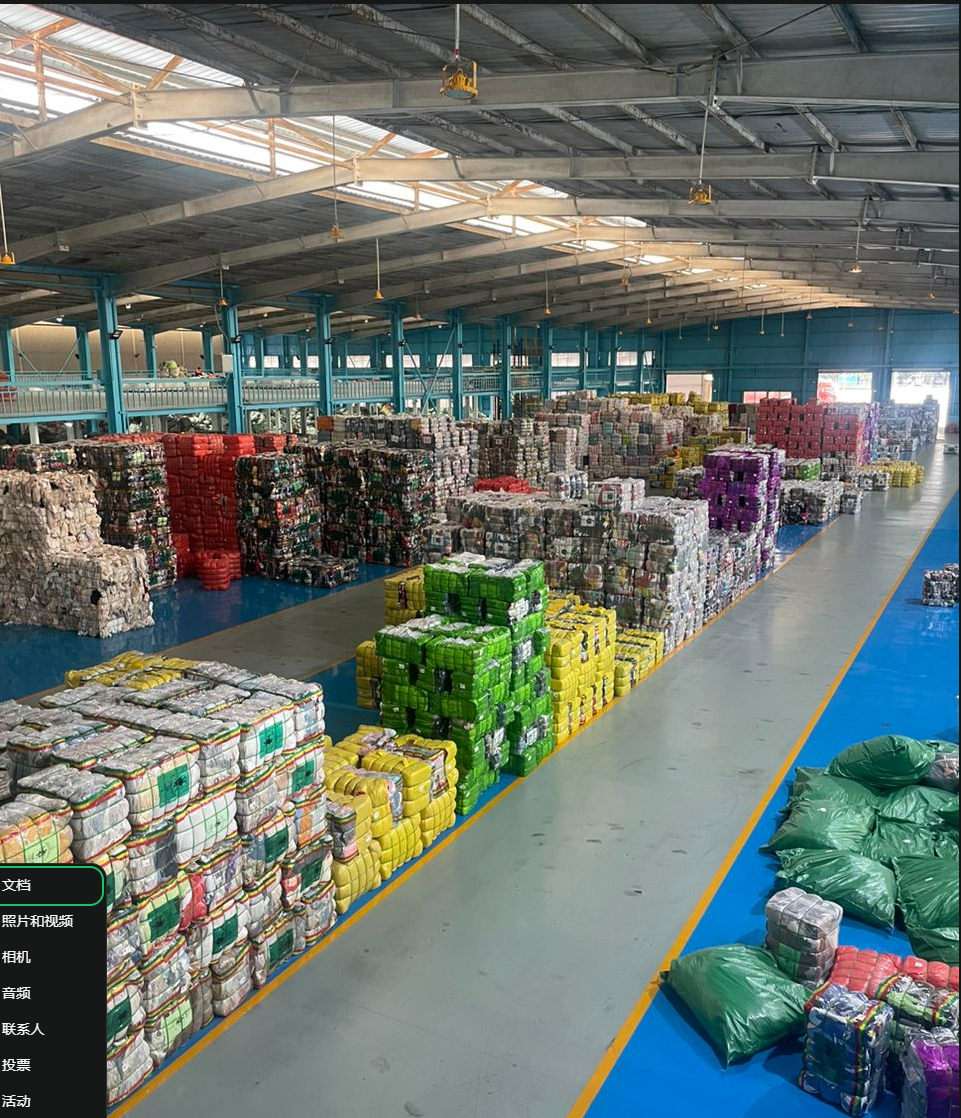
👉For more information, please click here to contact us.
When Second-Hand Clothing Becomes Environmental Waste
The problem arises when low-quality garments enter the system.
These items:
- Cannot be reused
- Cannot be recycled efficiently
- Quickly become waste
In such cases, second hand clothing sustainability breaks down.
The Hidden Impact of Low-Quality Exports
Low-grade exports shift environmental pressure to importing countries.
Instead of reducing waste globally, they redistribute it.
This undermines the true goal of sustainability.
Can Upcycling Solve the Problem at Scale?
Upcycling is creative and impactful — but limited in scale.
It cannot absorb the massive volume of global textile waste.
Therefore, real second hand clothing sustainability must start upstream.
How Quality-Driven Suppliers Like KingAAA Support Real Sustainability
True sustainability is not about slogans — it is about systems.
At KingAAA:
- Only wearable garments are selected
- Waste is minimized at source
- Quality ensures longer lifecycle
Conclusion
Second hand clothing sustainability is not guaranteed.
It depends on one thing:
👉 whether the clothing can actually be reused
Get a free consultation with KingAAA Used Clothing, and you’ll gain a reliable supplier.
👉Related coverage of 《KingAAA》