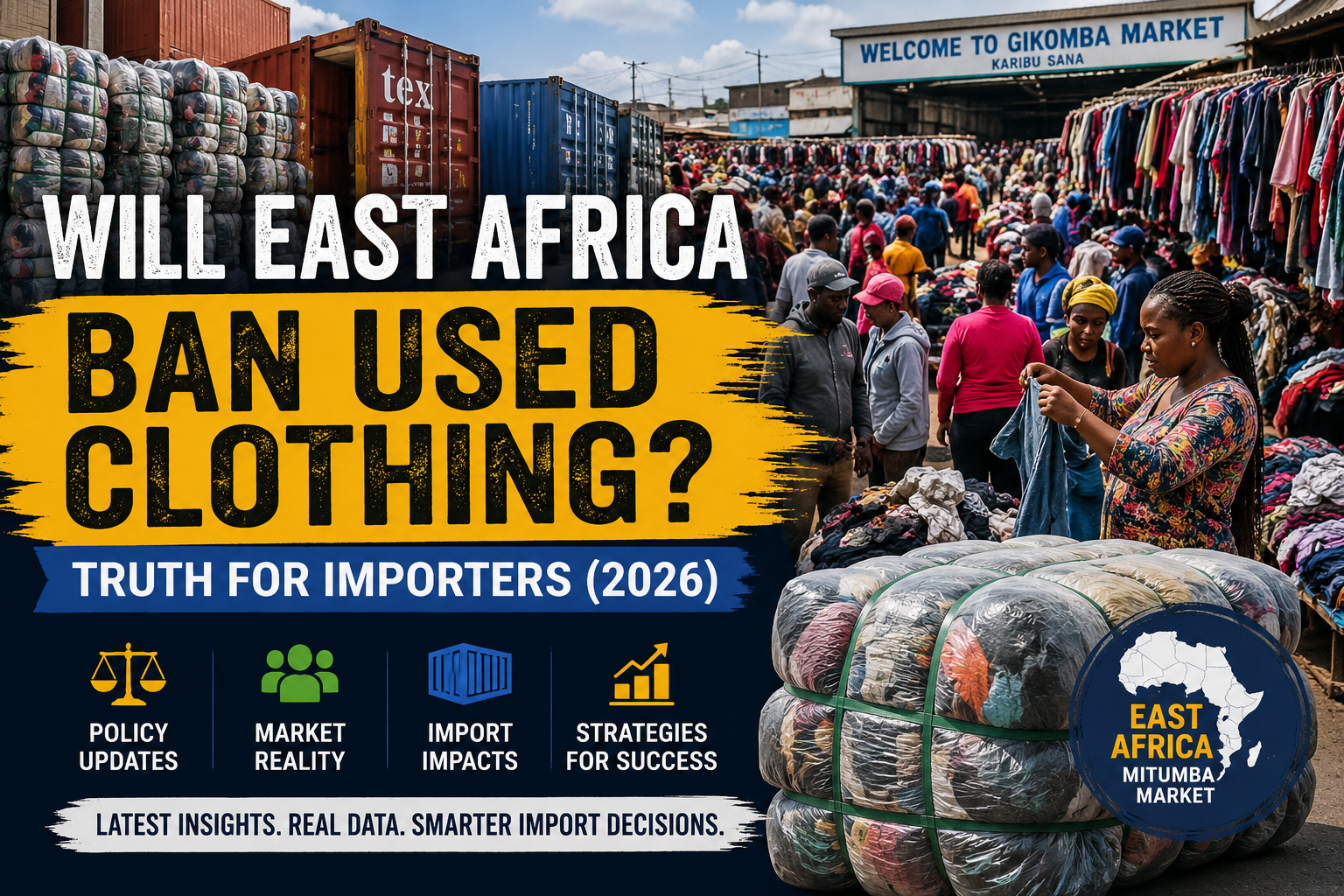
The Truth About the East Africa Used Clothing Market
The East Africa used clothing market is entering a critical phase in 2026.
Across countries within the East African Community (EAC), governments are discussing stricter policies, higher taxes, and even potential bans on second-hand clothing imports.
But for global exporters, the real question is:
👉 Will East Africa actually ban used clothing — or is the market still growing?
The answer lies in understanding both policy direction and on-the-ground demand in the East Africa used clothing trade.
Table of Contents
1. Why Governments Want to Restrict East Africa Used Clothing
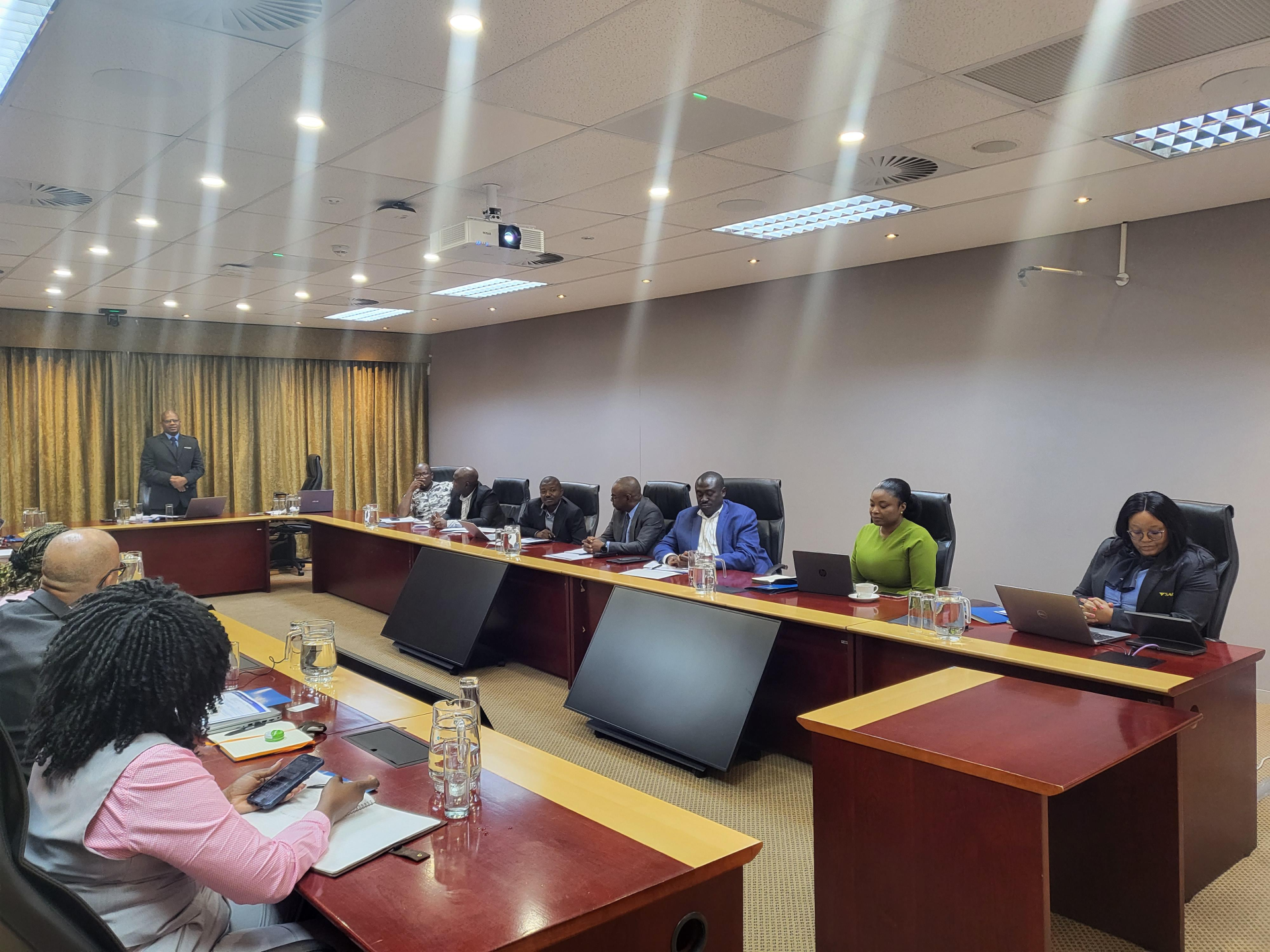
1.1 Pressure from Local Fashion Industry
Local designers argue that the East Africa used clothing sector is limiting domestic growth.
- A locally made dress: $15–$20
- Equivalent budget: up to 10 second-hand items
This pricing gap makes it extremely difficult for local brands to compete.
As a result, policymakers aim to:
- Reduce reliance on imports
- Encourage domestic textile production
- Strengthen local manufacturing
1.2 Environmental Concerns Are Increasing
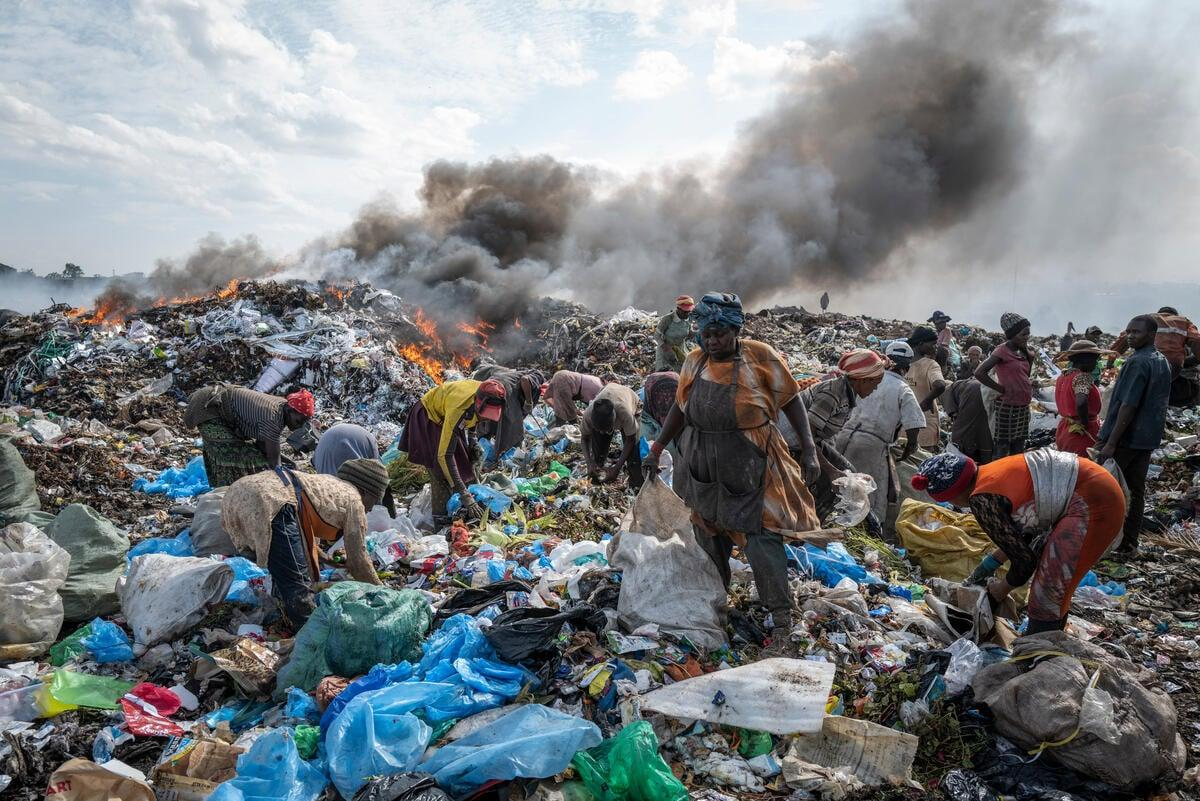
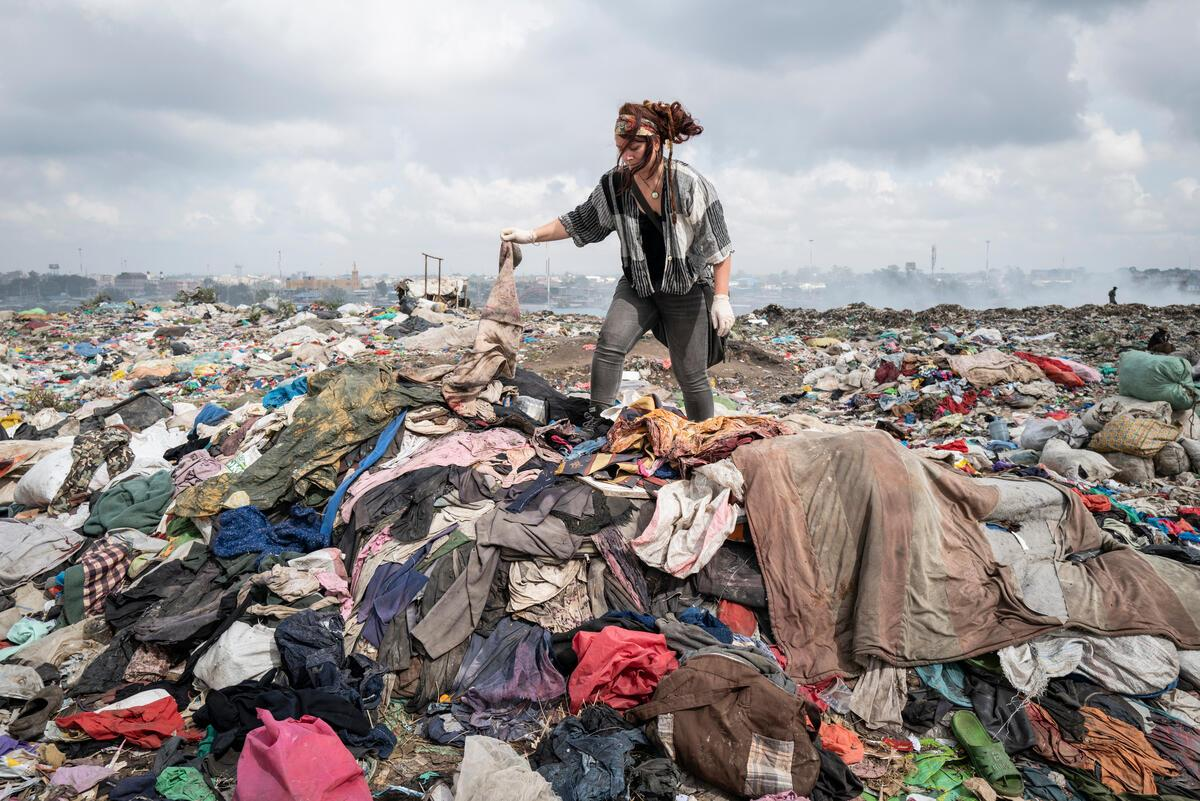
Environmental organizations like Greenpeace have raised concerns about the East Africa used clothing trade.
Key issues include:
- Up to 30%–40% of imported clothing becomes waste
- Landfills in countries like Kenya are under pressure
This has led to:
- Environmental taxes
- Waste regulation discussions
- Potential classification under global waste treaties
2. Current Policy Trends in East Africa Used Clothing Imports
2.1 No Ban — But Higher Taxes
Despite ongoing discussions, no country has successfully banned the East Africa used clothing trade.
Instead, governments are increasing import costs:
Uganda
- 35% import duty
- 18% VAT
- +30% environmental levy
Kenya
- Around 30% duty
- Attempted reforms withdrawn due to public backlash
👉 Conclusion:
The East Africa used clothing market is being regulated, not eliminated.
2.2 Rwanda’s Experiment: A Key Case Study
Rwanda implemented aggressive policies targeting the East Africa used clothing sector:
- Tax increased significantly per kg
- Imports dropped sharply
However, the result was not straightforward:
- Smuggling increased
- Consumers shifted to cheap new clothing imports
👉 Insight:
Restricting the East Africa used clothing market does not automatically build a local industry.
2.3 Global Trade Pressure Still Matters
In 2015, the East African Community attempted to restrict used clothing imports.
However, the United States intervened via the African Growth and Opportunity Act (AGOA).
- Threat: removal of duty-free access
- Result: most countries reversed their position
👉 This shows that the East Africa used clothing trade is influenced by global politics.
3. Market Reality: Why East Africa Used Clothing Still Thrives
3.1 Millions Depend on the Industry
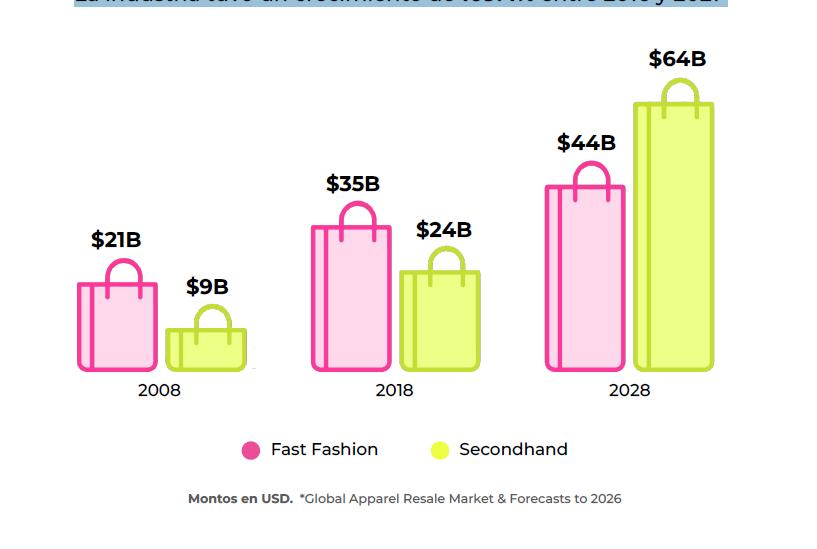
The East Africa used clothing ecosystem supports:
- Importers
- Wholesalers
- Retailers
- Tailors
- Market workers
👉 Estimated 4.9 million people rely on this industry
3.2 Strong Consumer Demand
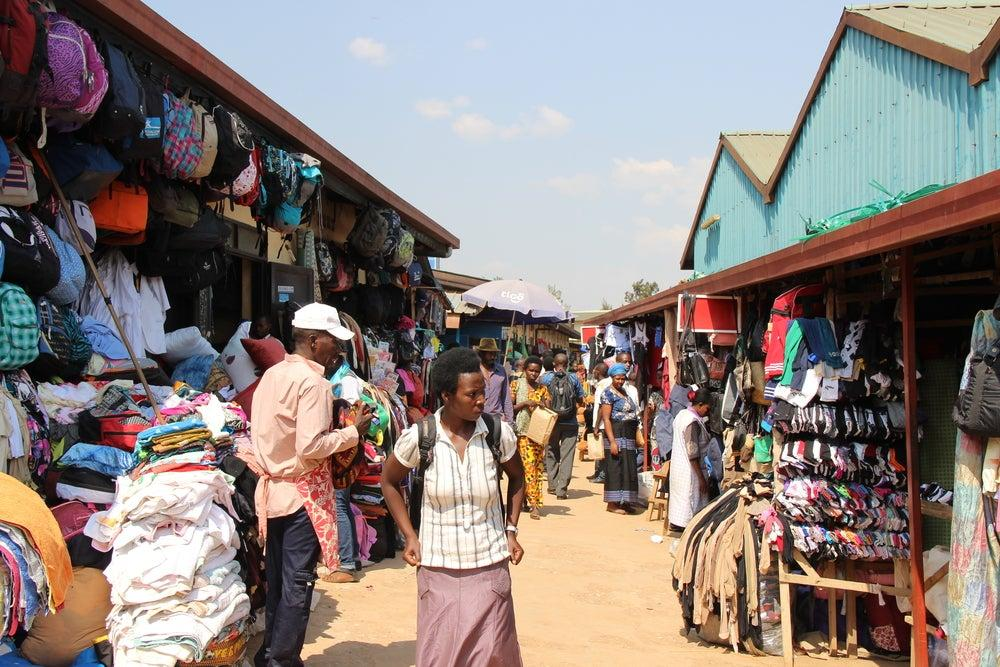
The East Africa used clothing market is driven by real consumer needs:
- Affordable pricing
- Better durability (US/EU garments)
- Unique styles
Importantly, demand is no longer limited to low-income buyers.
3.3 Local Manufacturing Is Not Ready Yet
Despite policy ambitions, the region still lacks:
- Industrial capacity
- Efficient supply chains
- Cost competitiveness
👉 This keeps the East Africa used clothing trade essential.
4. The Real Competition: Cheap New Clothing Imports
A critical trend shaping the East Africa used clothing market:
👉 Low-cost new clothing from China and Turkey
These products:
- Compete directly with second-hand clothing
- Undercut local manufacturers
- Offer fast fashion styles at low prices
👉 In some regions, they are replacing parts of the East Africa Second Hand Clothing demand.
5. What Importers Should Do in 2026
5.1 Prepare for Higher Costs
The East Africa used clothing trade will face:
- Increasing duties
- Environmental taxes
- Compliance requirements
✔ Build pricing strategies accordingly
5.2 Focus on Quality, Not Just Price
Low-grade products are becoming less sustainable.
Successful exporters in the East Africa Second Hand Clothing market focus on:
- Clean, wearable items
- Branded clothing
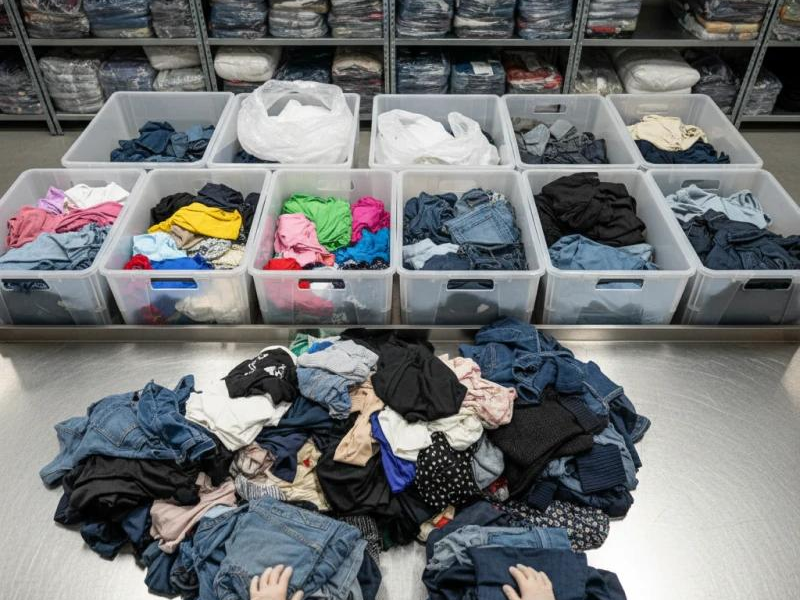
- Sorted and graded bales
5.3 Upgrade Your Supply Model
To stay competitive in the East Africa used clothing sector:
- Diversify markets
- Use flexible logistics
- Monitor policy updates
5.4 Consider a Hybrid Strategy
Many importers are now combining:
- Used clothing
- Affordable new clothing
👉 This reduces risk and increases margins in the evolving East Africa used clothing market.
6. Final Answer: Will East Africa Ban Second Hand Clothing?
👉 No — but restrictions will continue
The East Africa Second Hand Clothing market is not disappearing. Instead, it is evolving:
- Higher taxes
- Stronger regulation
- Rising competition
But demand remains strong.
Conclusion: The Future of East Africa Second Hand Clothing
The East Africa Second Hand Clothing market will continue to play a critical role in the region’s economy.
For exporters, this means:
- Adapting to policy changes
- Improving product quality
- Building long-term partnerships
👉 The opportunity is still there — but only for those who understand how the market is changing.
📩 Work With a Trusted Used Clothing Supplier
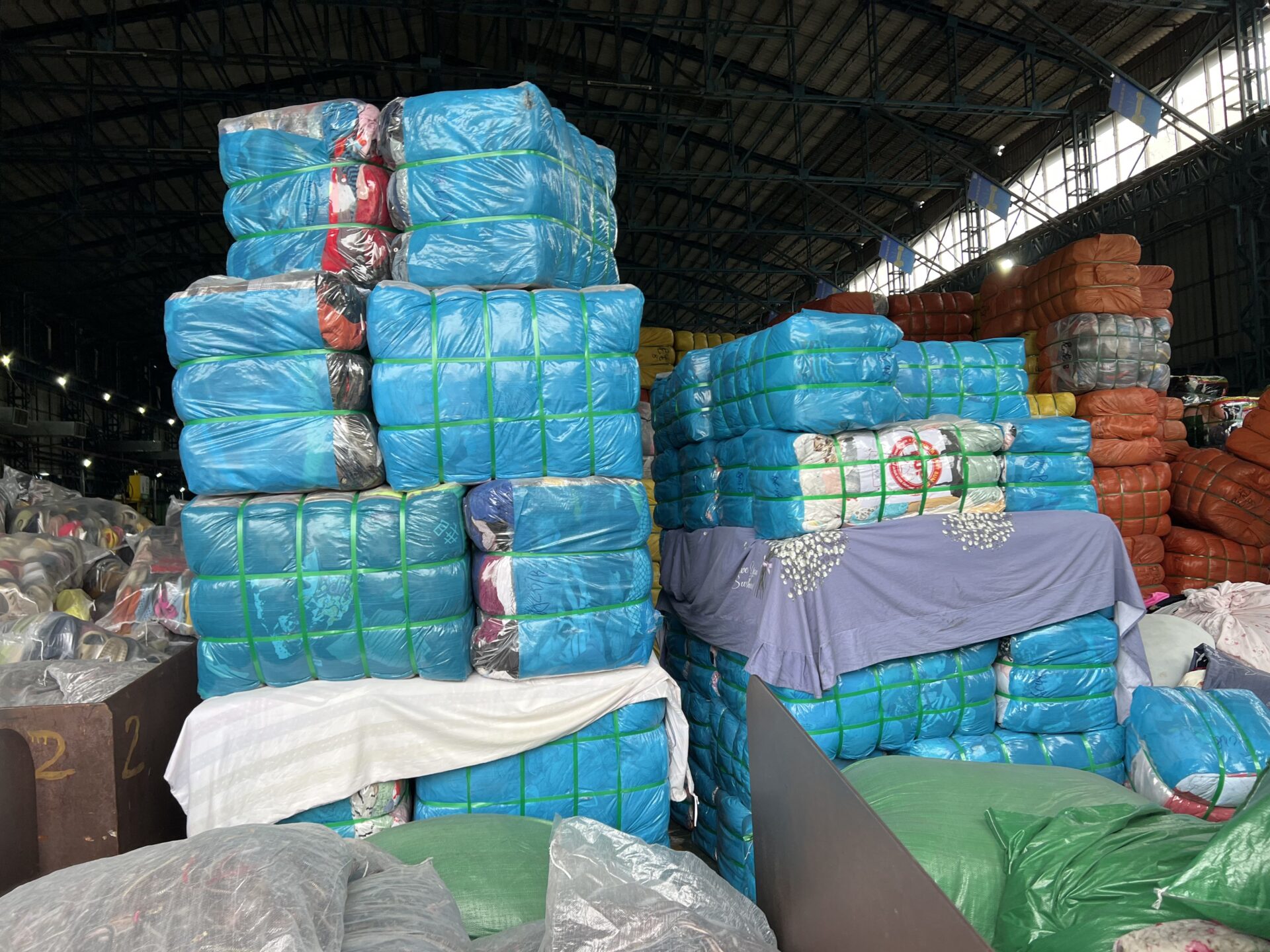
If you are importing for the East Africa used clothing market, we can support your business with:
- High-quality sorted bales
- Stable monthly supply
- Custom grading (A/B/C, branded)
- Export experience across Africa
👉 Contact us today to get product lists and pricing.