
If you are an apparel wholesaler, distributor, or market vendor in La Paz, Santa Cruz, Cochabamba, or Oruro, mastering how to import used clothes bales to bolivia via chile is the single most critical strategy to secure high-margin, Grade A second-hand clothing inventory directly from source manufacturers. Because Bolivia is a landlocked market, international container shipping relies heavily on Chile’s Pacific gateways—particularly the Free Trade Zone of Iquique (ZOFRI) and the Port of Arica. Bypassing domestic multi-tier middlemen and buying 20ft or 40ft HQ containers straight from China’s largest sorting facilities enables South American importers to reduce per-bale landed costs by up to 30% while securing authentic Grade A quality.
Understanding the Chile Transit Route: Iquique (ZOFRI) and Arica Gateways to Bolivia
Due to geographical geography and trade logistics, maritime freight destined for Bolivia docks at northern Chilean Pacific ports before moving overland. Understanding how to import used clothes bales to bolivia via chile requires familiarity with the two primary transit protocols:
- Iquique Free Trade Zone (ZOFRI – Zona Franca de Iquique): The preeminent commercial hub for second-hand clothing (locally known as fardos de ropa usada or pacas). Cargo lands at the Port of Iquique, enters the bonded ZOFRI area for customs warehousing, sorting verification, or split-shipment, and is subsequently transported overland across the Pisiga/Colchane border post into Oruro and La Paz.
- Port of Arica (Direct Transit Protocol): Under the 1904 Treaty of Peace and Friendship between Chile and Bolivia, Bolivian cargo enjoys autonomous customs transit through Arica. Containers are discharged onto bonded trucks and hauled directly through Tambo Quemado to customs warehouses in La Paz and Cochabamba without paying Chilean import duties.
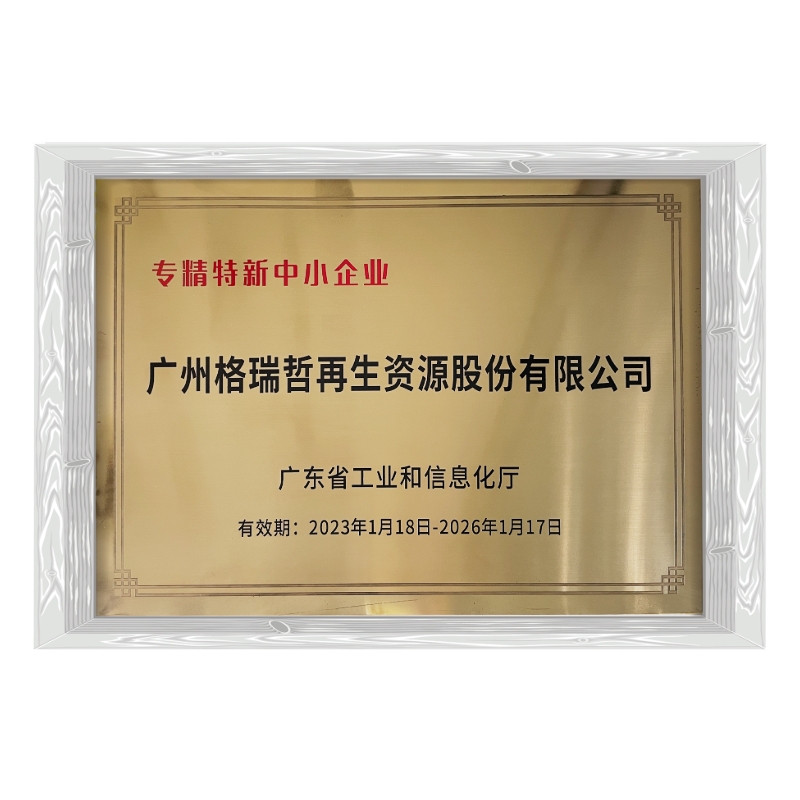
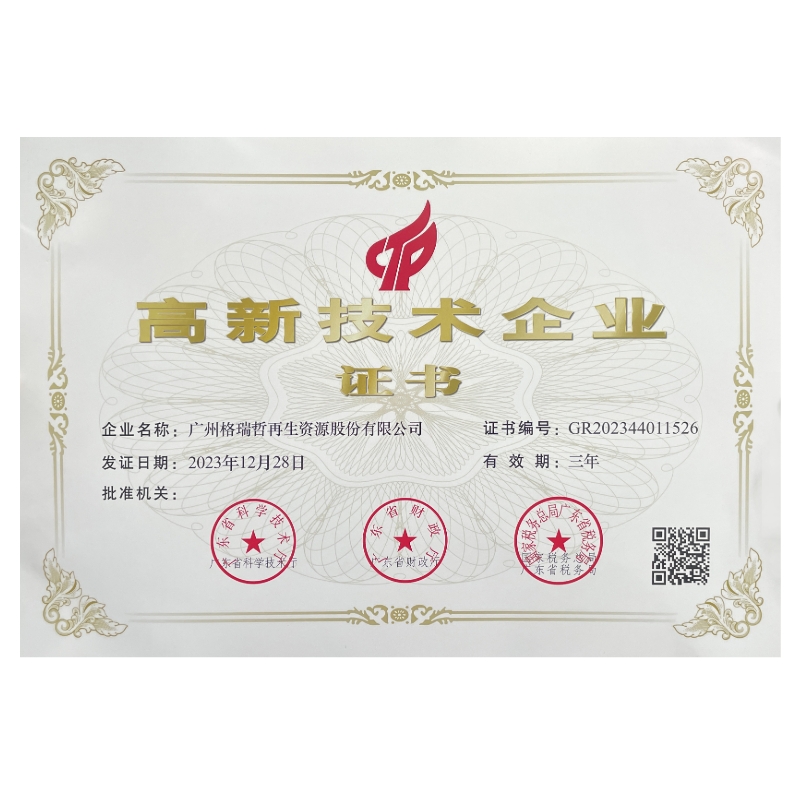
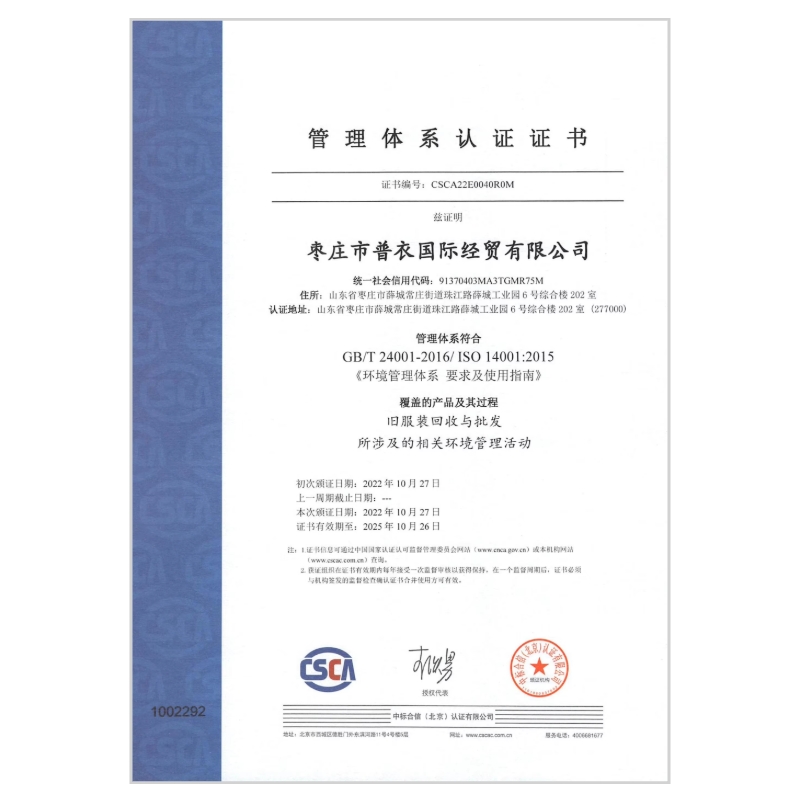
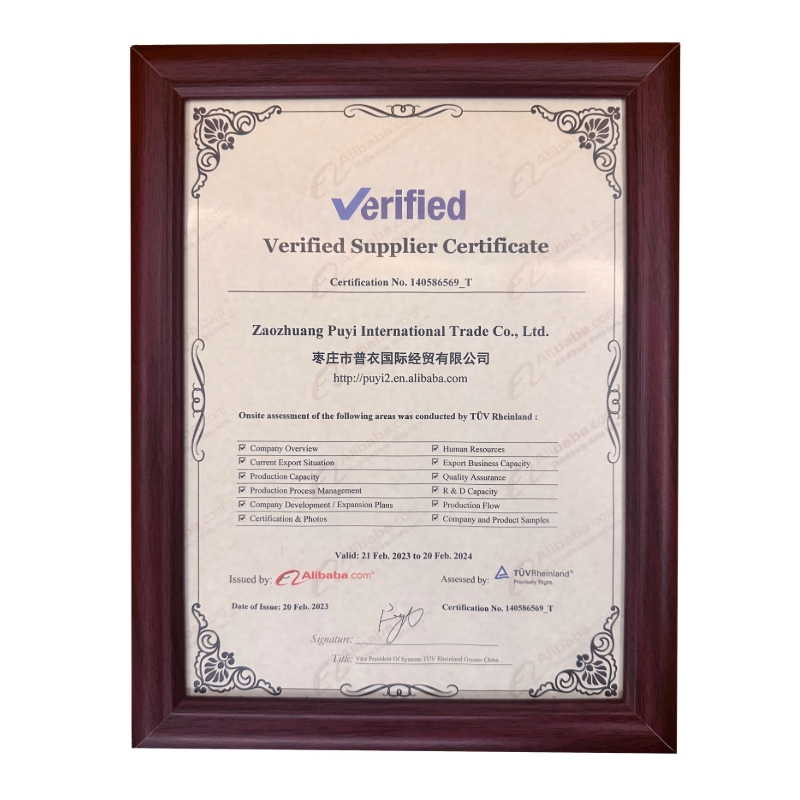
Factory Verification & Official Export Certificates
Importing second-hand goods requires strict compliance with international biosecurity, customs valuation, and fumigation standards. Our direct factory provides 100% verified export documentation:
CSCA / ISO 9001
Certified standard sorting & quality management
SGS Verified Factory
International third-party verified production capacity
Intertek Certified
Recognized global export quality compliance
Fumigation & Health
Official customs inspection & biosecurity clearance
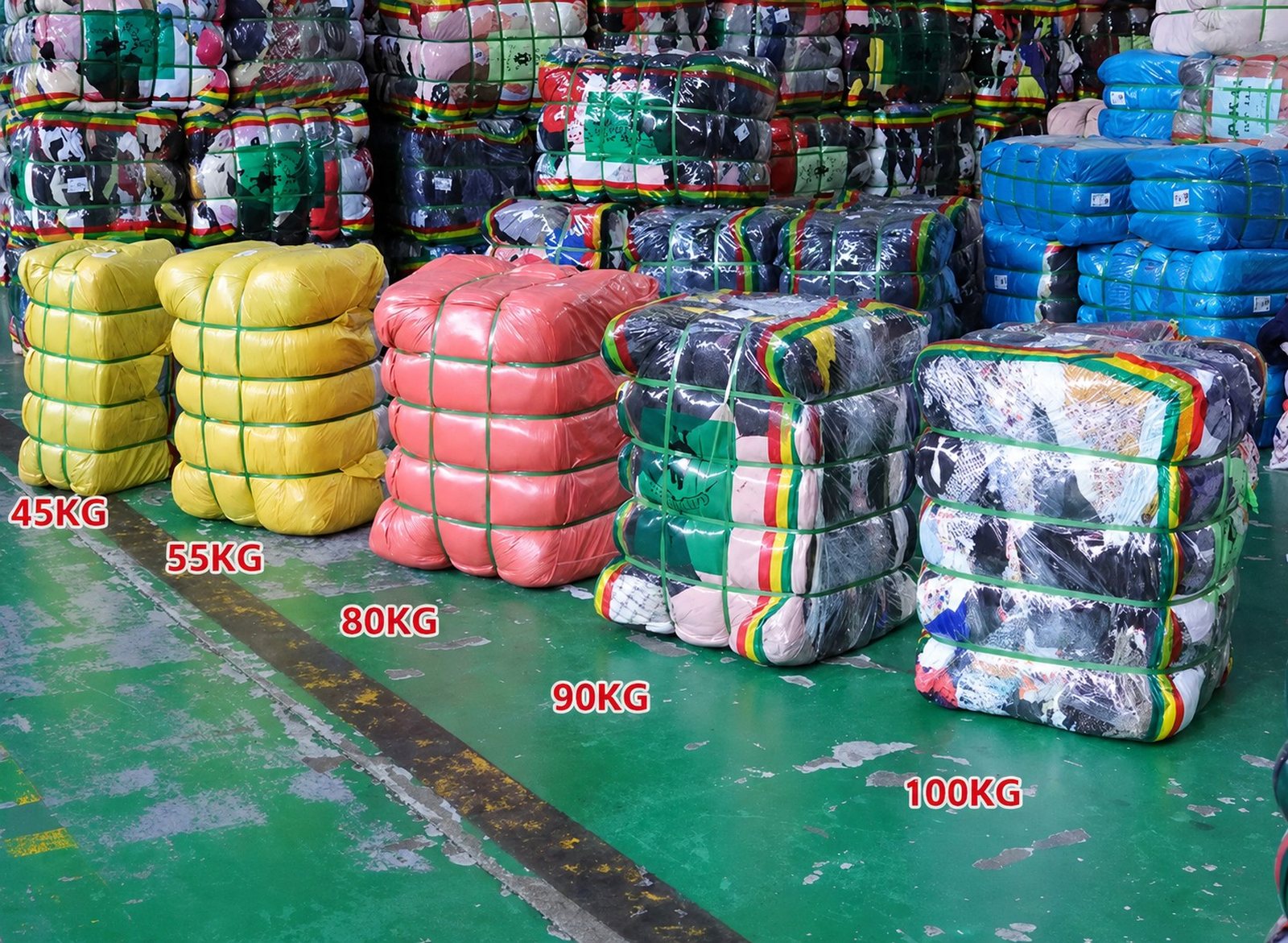
Bale Packaging Specifications: 45kg, 50kg, 80kg, and 100kg Options
Latin American wholesale markets require specific packaging flexibility depending on regional transport terrain and retail vendor preferences. When executing how to import used clothes bales to bolivia via chile, King AAA provides customized hydraulic compression packaging tailored to Latin American standards:
| Bale Weight | Bale Quantity in 40ft HQ | Target Market / Application | Packaging Protection |
|---|---|---|---|
| 45 kg (100 lbs) / 50 kg | 560 – 620 Bales (28.0 Ton Limit) | Bolivia & Central American retail vendors (easy mountain manual handling) | Heavy-duty woven polypropylene + inner moisture-proof PE film |
| 80 kg Bales | 350 Bales (28.0 Tons) | Chile ZOFRI wholesale re-exporters & regional depots | Dual-color strapping + customized logo stencil |
| 100 kg Big Bales | 280 – 285 Bales (28.5 Tons) | Large warehouse sorting facilities and bulk distributors | Reinforced steel-wire hydraulic wrapping |
Top-Selling Second-Hand Categories for the Bolivian & Latin American Climate
Due to the diverse topographical zones in Bolivia—ranging from the chilly Altiplano high altitude in La Paz and Potosí to the tropical lowlands in Santa Cruz—a well-balanced container load plan ensures maximum retail sell-through speed:
- Tropical Summer Wear (Santa Cruz & Lowlands): High demand for lightweight cotton items, including summer used clothes such as ladies’ silk blouses, lightweight cotton dresses, men’s printed short-sleeve T-shirts, and children’s summer sets.
- Altiplano Thermal Wear (La Paz & Oruro): Heavy denim jeans, fleece jackets, branded hoodies, light windbreakers, and knit sweaters.
- Pre-Owned Footwear & Sneakers: Sorted used shoes, especially Grade A running sneakers, canvas casuals, and children’s sports shoes with clean outsoles and intact insoles.
- Accessories & School Packs: Sorted used bags including nylon student backpacks, ladies’ leather shoulder bags, and durable travel duffels.
Step-by-Step Logistics: How to Import Used Clothes Bales to Bolivia via Chile
Executing a seamless container shipment from Guangzhou to Bolivia involves a synchronized 6-step export workflow:
- Container Packing List Specification: Choose your product category ratio (e.g., 60% summer clothing, 25% sneakers, 15% bags) and select your preferred bale weight (45kg or 100kg).
- Factory Direct Sorting & Packing: King AAA’s 20,000 sqm facility in Guangzhou executes a rigorous 5-step manual inspection to filter out tears, stains, and pilling, keeping the defective rate strictly below 1%.
- Container Stuffing & Port Dispatch: Packed bales are loaded under high-pressure hydraulic techniques to maximize container space (up to 28.5 metric tons per 40ft HQ), departing from Nansha or Yantian Port.
- Pacific Ocean Transit (32–38 Days): Direct ocean freight across the Pacific to the Port of Iquique or Port of Arica.
- Chilean Port Clearance & Bonded Transit: Verified export documentation—including Bill of Lading (B/L), Commercial Invoice, Packing List, Fumigation Certificate, and Certificate of Origin—is processed for bonded road transport.
- Overland Transport to Bolivian Inland Customs: Bonded trucks transport the sealed container across the Andes border (Tambo Quemado or Pisiga) to Aduana Nacional de Bolivia terminals in La Paz, Santa Cruz, or Cochabamba for final release.
Frequently Asked Questions (FAQ)
Can I mix different clothing categories and footwear in one container?
Yes. Importers learning how to import used clothes bales to bolivia via chile frequently order mixed containers combining Grade A summer clothing, winter fleece jackets, pre-owned sneakers, and student backpacks to balance seasonal retail demand across Bolivian regional markets.
What is the transit time from Guangzhou to Iquique or Arica?
Ocean freight transit from Guangzhou (Nansha/Yantian) to the Port of Iquique or Arica typically takes 32 to 38 days. Overland transport from Chilean ports across the Andes into Bolivian bonded customs warehouses takes approximately 3 to 5 additional days.
Do you provide fumigation and phytosanitary certificates for customs clearance?
Yes. Every container shipped by King AAA comes with official Fumigation & Disinfection Certificates, Clean Bill of Lading, Commercial Invoices, and SGS Inspection Reports to ensure smooth border clearance in Chile and Bolivia.
For more answers regarding container minimums, visit our wholesale FAQ page or contact our export team directly.
🌎 Comprehensive Latin America & Caribbean Sourcing Guides (2026)
Expanding your used clothing business into Latin America or the Caribbean? Explore our dedicated country shipping and wholesale guides:
- Chile ZOFRI Hub Guide (Iquique Port)
- Bolivia Import Guide (via Chile Transit)
- Guatemala Pacas de Ropa Usada Guide
- Haiti Pepe Wholesale Guide
- Dominican Republic Tropical Bales Guide
- Honduras Direct Factory Shipping Guide
- Peru Callao Port Sourcing Guide
- Venezuela Bales & Container Logistics
- Mexico Pacas Wholesale & Factory Guide
- Argentina Bales vs Container Sourcing