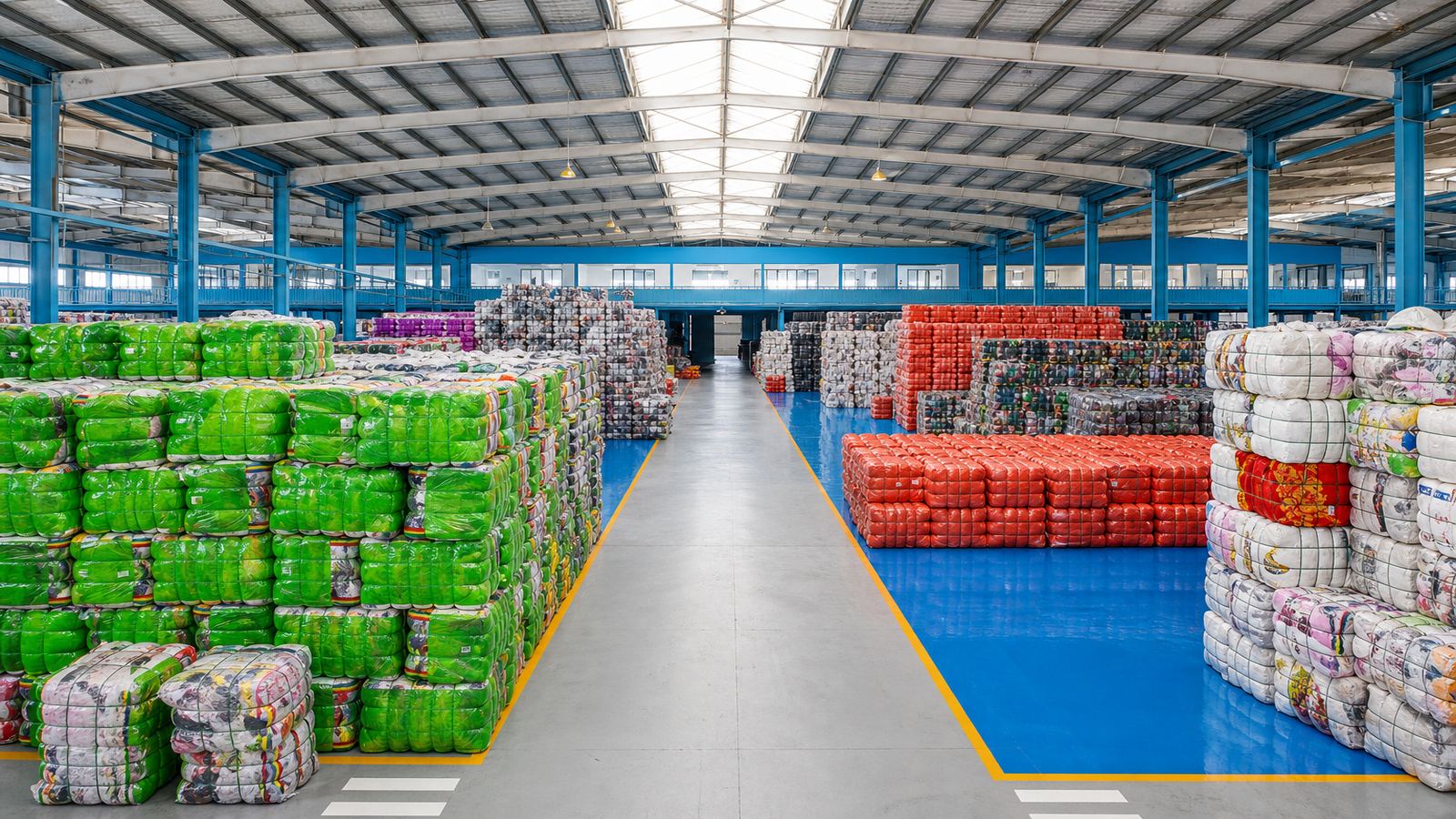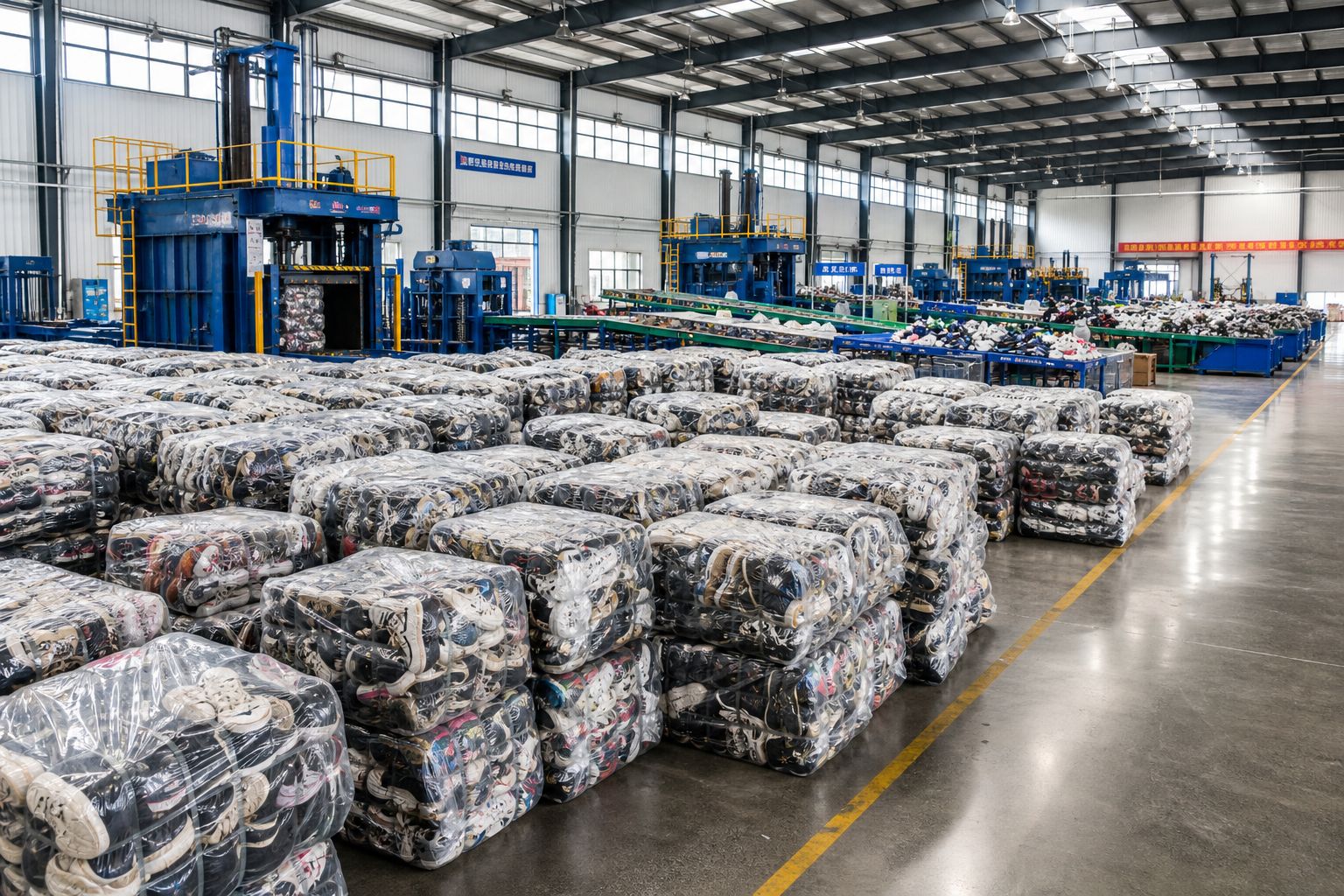
Let us begin with an uncomfortable truth that trade veterans rarely admit in public: in the global second-hand clothing industry, paperwork and physical reality can be two completely different worlds. A compressed export bale is not an abstract commodity specification sheet. It is the direct physical result of what a sorting crew did on one particular morning—how rigorously they inspected, what defect threshold they were ordered to maintain, and whether supervisors actually opened bales to check before the steel strapping was secured. You are never simply buying “cotton, used, mixed.” You are buying an organization’s daily operational discipline, and why seeing the factory matters for used clothing importers is rooted in the fundamental fact that discipline cannot be measured through a smartphone screen.
The most expensive lesson in this business is not ocean freight or port demurrage. It is discovering, after 40 days at sea when your container is unsealed at the destination port, that you never truly knew who you were dealing with. When sourcing container loads from China’s largest direct export facilities like King AAA in Guangzhou, verifying the manufacturing floor firsthand—whether through in-person factory walkthroughs or real-time 1-on-1 live HD video audits—is the only foolproof barrier protecting your capital.
The Global Resale Boom ($393B by 2030) and the Shortcut Influx
Secondhand apparel has permanently evolved beyond a quiet secondary market into a mainstream commercial powerhouse. According to GlobalData’s analysis in ThredUp’s Resale Report, the global secondhand clothing market is on track to reach USD 393 billion by 2030—commanding roughly 10% of total worldwide apparel expenditure and expanding at more than double the rate of conventional fast-fashion retail. In the United States alone, secondhand apparel sales grew by nearly 20% in 2025, driven predominantly by Gen Z and Millennial consumers.
On the import side across developing economies, United Nations Comtrade statistics for HS Code 6309 show the sheer commercial scale: in 2024, Kenya imported approximately USD 207 million in used clothing, Uganda imported USD 106 million, and Tanzania reached nearly USD 89 million—with China standing as the largest and most reliable direct supplier of Grade A urban collections.
However, rapid commercial expansion inevitably attracts opportunists. When demand surges and price competition tightens, unverified brokers and small repackaging sheds take shortcuts. They dilute Grade A bales with worn-out Grade B fabrics, slip heavy winter woolens into tropical orders, or inflate piece counts. In an era of intense market noise, understanding why seeing the factory matters for used clothing importers is the only way to ensure your supply chain remains resilient.
Stricter Global Regulations: Why Non-Compliance Risks Fall on the Importer
International customs regimes and biosecurity regulations have tightened drastically across the world, and the financial liability always lands on the buyer at the port of entry:
- European Union (ESPR & Digital Product Passport): The EU Ecodesign for Sustainable Products Regulation (EU 2024/1781) becomes fully enforceable on 19 July 2026, strictly banning large corporations from destroying unsold textiles and footwear. The Digital Product Passport (DPP) registry launches simultaneously, making textile traceability mandatory alongside strict REACH formaldehyde limits taking effect in August 2026.
- United States Customs (HS 6309 & CBP Precedent): US Customs and Border Protection rigorously enforces classification rulings (such as CBP Ruling N340317), requiring bulk hydraulic presentation and verifiable “appreciable wear.” Commercial second-hand shipments face the exact same duties, labeling, and entry scrutiny as new apparel. Misclassification and tariff fraud carry severe penalties—recently evidenced by a textile importer paying USD 2.3 million to settle federal customs fraud claims.
- African Market Tariffs & Biosecurity: The East African Community (EAC) enforces a common external tariff of 35% or USD 0.40 per kilogram on used clothing and footwear. With continuous environmental levy adjustments across African ports, whether your cargo clears smoothly or gets detained depends entirely on how accurately it was sorted, packed, and fumigated at origin.
- China Customs Export Modernization (Zaozhuang Pre-Confirmation): Advanced Chinese export hubs like Zaozhuang Customs developed an innovative “pre-confirmation” intellectual property system, cutting customs clearance inspections from 3–5 working days to instant automated release. In Q1 2026 alone, over 10,000 items were pre-confirmed for export across 18 countries. Compliant super factories leverage these streamlined export channels to guarantee zero port delays.
The Certificate Trap: Knowing What Actually Protects Your Cargo
Almost every exporter on B2B directories displays decorative certificates. However, experienced importers know that a large proportion of these documents are completely irrelevant to secondhand textile grading. Many sellers present new garment manufacturing ISO certificates or generic assembly-line audit badges that reveal zero insight into how used clothing is collected, disinfected, and graded.
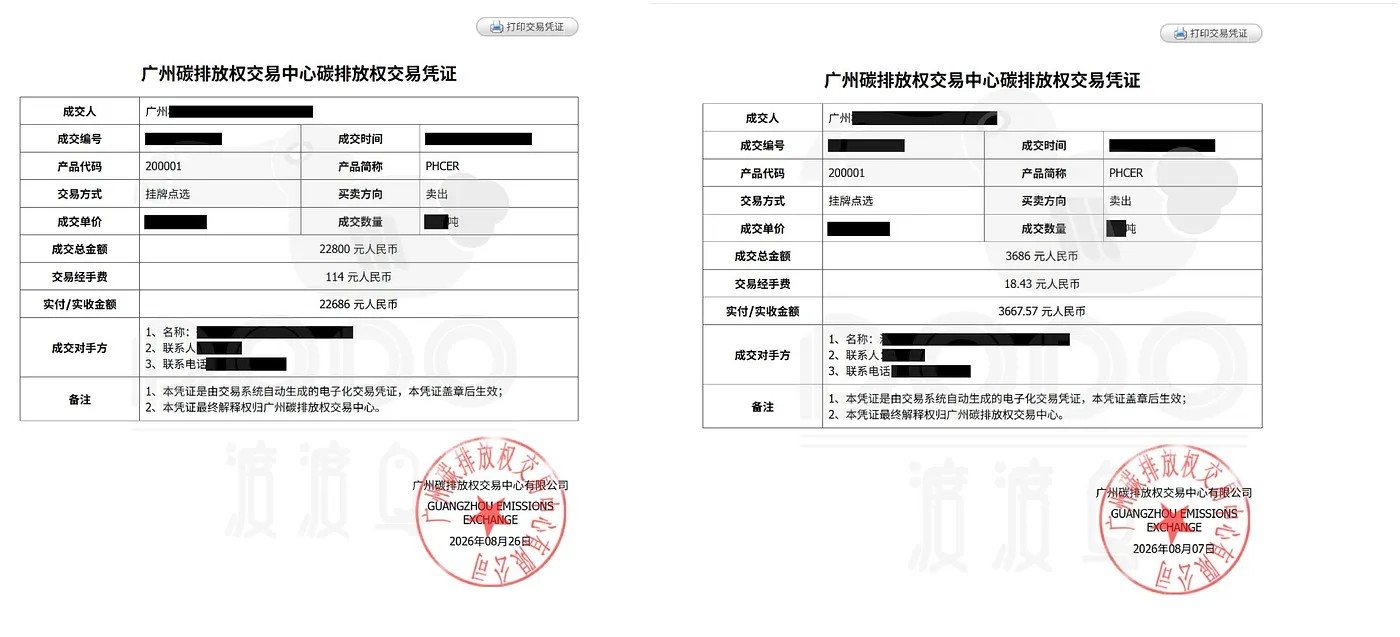
The only credentials that carry authentic weight in circular trade are those tied to verified circular economy standards and regulated carbon tracking. For instance, our facility in Guangzhou holds verified PHCER (Guangdong Carbon-Inclusive Voluntary Emission Reduction) trading certificates issued through the Guangzhou Emissions Exchange. PHCER is a registry-tracked, exchange-traded carbon credit reflecting verifiable circular environmental operations. Combined with official ISO 9001 sorting management, SGS factory verification, and Intertek export compliance, these credentials provide authentic assurance.
| Verification Dimension | Unverified Middlemen & Small Workshops | King AAA 20,000㎡ Super Factory |
|---|---|---|
| Raw Material Provenance | Mixed regional collections; high percentage of faded, over-washed clothing | 100% 1st-Tier Chinese Metros (Guangzhou, Shenzhen, Shanghai) |
| Sorting Precision & Defect Rate | Single-pass rough sort; 10% to 20% defect and unwearable waste rate | Rigorous 5-stage manual sorting; defect rate strictly < 1% |
| Factory Auditing Transparency | Refuses live video calls; shares recycled photos or AI-rendered showroom clips | 100% Open 1-on-1 Live HD Video Walkthrough of Sorting Floor |
| Container Payload Capacity | Low-pressure manual baling (22 to 24 tons per 40ft HQ container) | High-density hydraulic baling (28.5 to 29.0 tons / 640+ bales per 40ft HQ) |
| Authentic Documentation | Forged or non-traceable health papers causing customs seizure risks | Official Fumigation & Health, ISO 9001, SGS, Intertek, and PHCER Carbon Credits |
Why Generative AI Makes Physical & Live Video Verification Essential
The quietest and most unsettling change in modern trade is that visual proof can now be fabricated in seconds. Generative AI models can create convincing videos of sorting facilities that do not exist, generate pristine “QC inspection” photos for bales that were never packed, and synthesize official-looking stamps. Because AI tools continuously recirculate online data, a single fabricated image can appear verified across multiple platforms.
In an industry historically reliant on visual trust, physical and real-time verification has become paramount. Our practical operational rule is straightforward: use digital tools to discover market leads, but never accept digital media as your final confirmation. Always move from “what does the listing show?” to “what can I physically verify on the sorting floor?”
The Four Concrete Realities That Seeing the Factory Buys You
Walking the sorting floor in person or directing a live 1-on-1 HD video inspection provides four concrete protections that no PDF catalog can deliver:
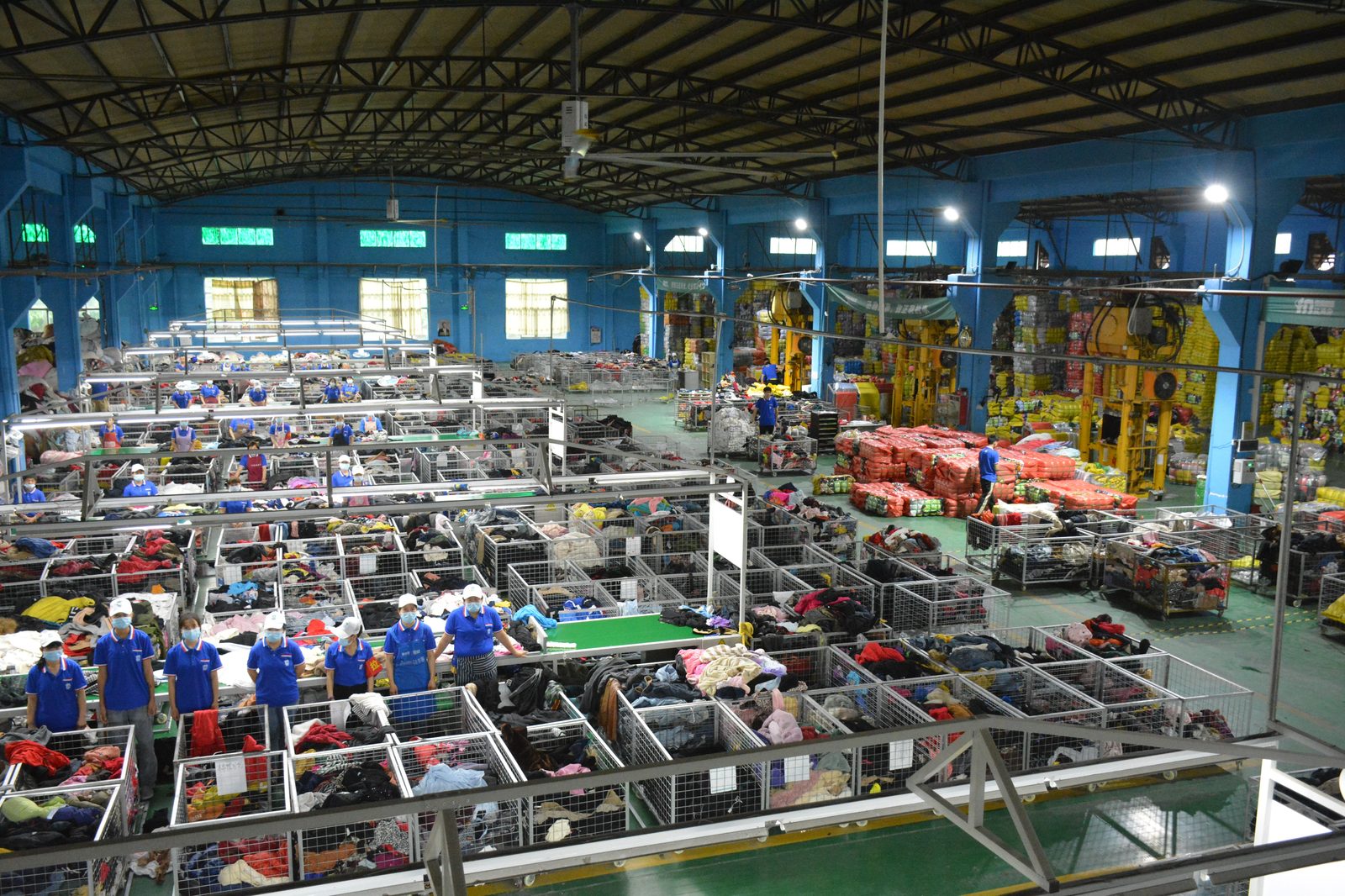
- Proof of Complete Supply Chain Control: Confirm that the factory owns genuine physical infrastructure—20,000㎡ sorting halls, hundreds of trained grading specialists, and automated hydraulic balers—rather than a trading middleman reselling lots from rented sheds.
- Direct Grade Standard Alignment: Observe how Grade A summer dresses, men’s cotton T-shirts, and children’s wear are sorted in real time. Inspecting our specialized summer used clothing catalog ensures your grade expectations match reality.
- Real Inventory Mix vs Show Samples: Open randomly selected compressed bales to verify the item ratio, fabric brightness, and cleanliness across bulk inventory rather than curated show samples.
- Why Legitimate Factories Protect Client Confidentiality: Be cautious of suppliers who parade extensive lists of client brand names across their marketing decks. In the second-hand clothing trade, serious professional importers strictly forbid suppliers from broadcasting their identities to competitors. A supplier that publicly exposes its buyers’ names either fabricates those relationships or fails to respect commercial confidentiality. True industry leaders maintain audited export records while fiercely safeguarding client privacy.
Factory Verification & Official Export Certificates
Authentic compliance requires accredited third-party verification, circular economy credentials, and customs biosecurity clearance. At King AAA, our Guangzhou super factory backs every shipment with 100% verifiable documentation:

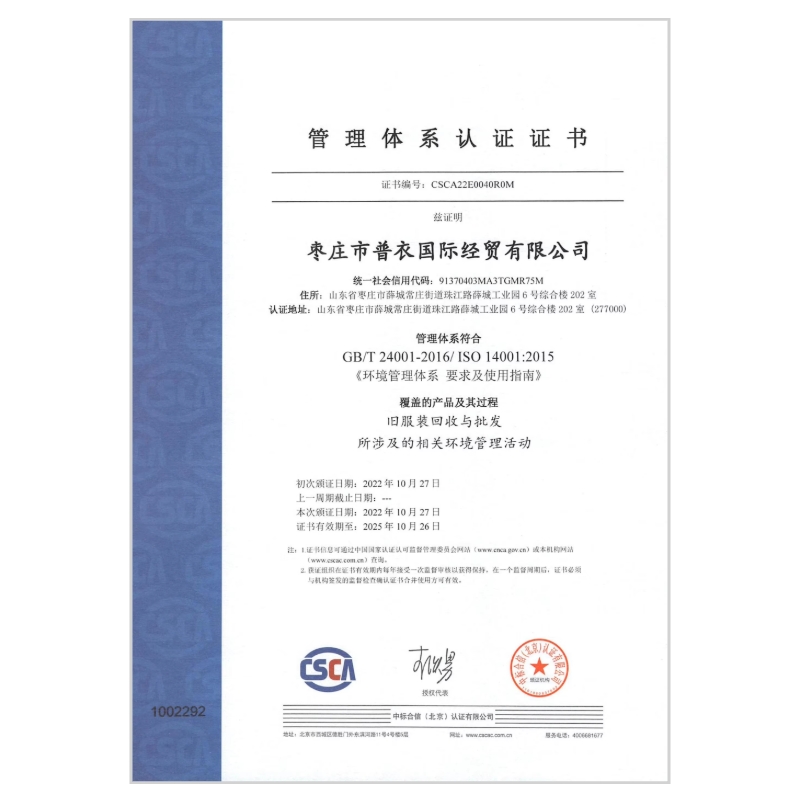
CSCA / ISO 9001
Certified standard sorting & quality management

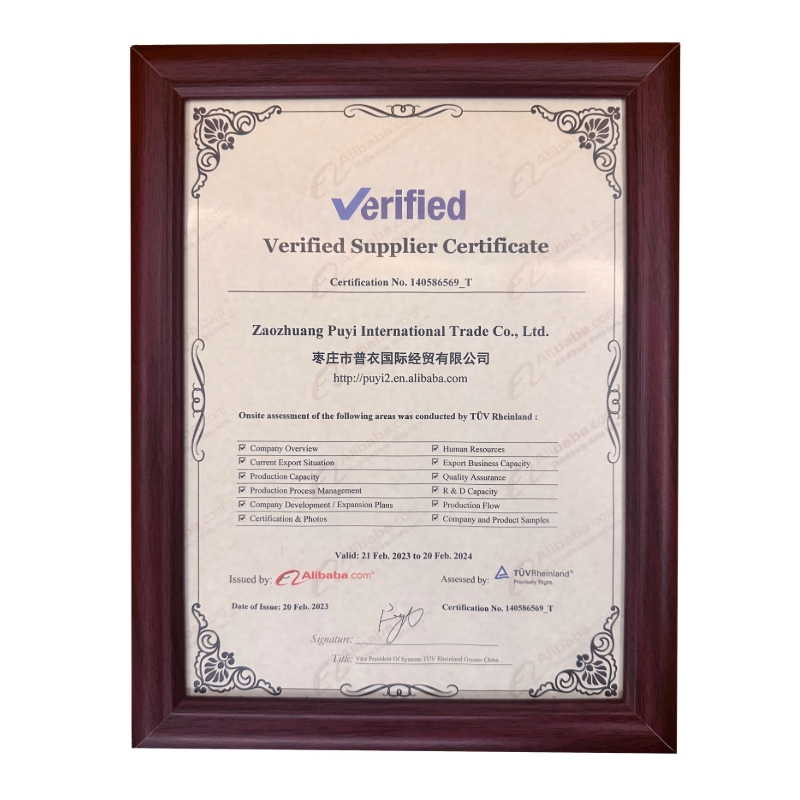
SGS Verified Factory
International third-party verified production capacity
Intertek Certified
Recognized global export quality compliance
Fumigation & Health
Official customs inspection & biosecurity clearance
Visiting King AAA at the 140th Canton Fair (Guangzhou, Oct–Nov 2026)
If you are traveling to Guangzhou for the 140th Canton Fair (15 October – 4 November 2026, with Phase 3 Textiles & Apparel running from 31 October to 4 November), you are already standing in the global epicenter of used clothing export logistics. As the world’s largest B2B trade gathering—hosting over 32,000 exhibitors and more than 314,000 overseas buyers from 220 countries—the Canton Fair is the ideal opportunity to conduct a decisive factory audit.
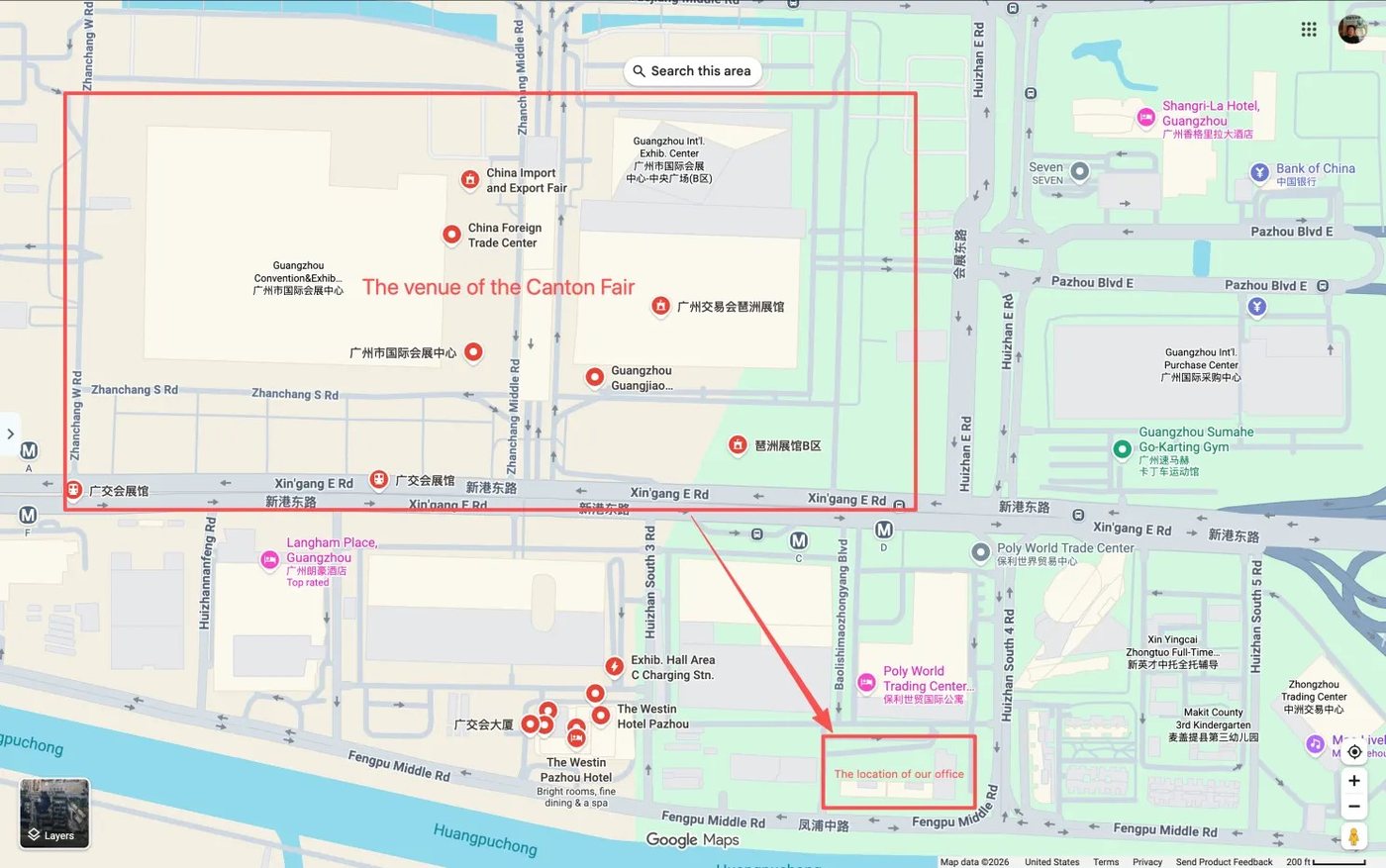
King AAA maintains a permanent corporate office in a premium commercial building located right beside the Canton Fair complex. Visiting our executive team and touring our 20,000㎡ Guangzhou manufacturing facility requires only a single morning detour. Standing on the sorting floor, agreeing on bale grading benchmarks, and customizing your mixed container allocation (combining Grade A clothing bales with sorted secondhand shoes wholesale and used bags) saves thousands of dollars in potential quality disputes.
Whether you are sourcing for regional markets in South Africa, Guinea-Bissau, or Djibouti, scheduling a direct audit is the ultimate foundation for sustainable wholesale profitability.
Frequently Asked Questions (FAQ) About Factory Audits & Live Inspections
How can I schedule a live HD video factory inspection if I cannot travel to Guangzhou?
Importers worldwide can book a 1-on-1 WhatsApp video call (+86 18925004471) with our export team. We will walk you directly onto the 20,000㎡ sorting floor, open random compressed bales for inspection, and show you our container loading bays in real time.
Why do some suppliers refuse live video calls or on-site visits?
Sellers who decline live video walkthroughs or resist factory visits are typically intermediaries who do not own sorting facilities. They broker goods from third-party workshops without direct control over grading standards, defect rates, or packing lists.
Can I customize the bale size and packing ratios during my factory inspection?
Yes! During your physical visit or live video inspection, you can customize your bale sizes (45kg, 55kg, 80kg, or 100kg), select colored waterproof packaging, specify logo labeling, and adjust your mixed container ratios across summer clothes, shoes, and bags.