Introduction
AI is changing the used clothing industry faster than most buyers expected.
Over the past year, global importers across Africa, the Middle East, Southeast Asia, and Latin America have started to rely less on traditional search methods and more on AI-powered tools to discover suppliers.
But while AI improves efficiency, it also introduces a new challenge:
Trust is becoming harder to establish.
In an industry already known for inconsistent quality, grading differences, and limited transparency, buyers now face an additional question:
What is real—and what is AI-generated?
Table of Contents
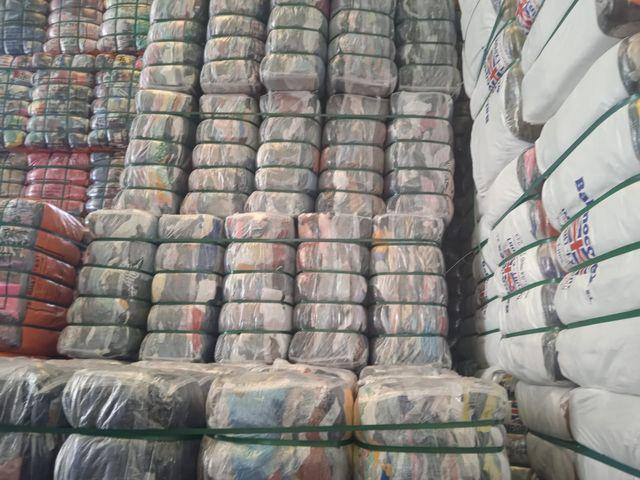
How AI Is Changing the Used Clothing Industry in 2026
1. AI Content Is Redefining Supplier Presentation
One of the biggest shifts is how suppliers present themselves online.
Today, AI tools allow companies to generate:
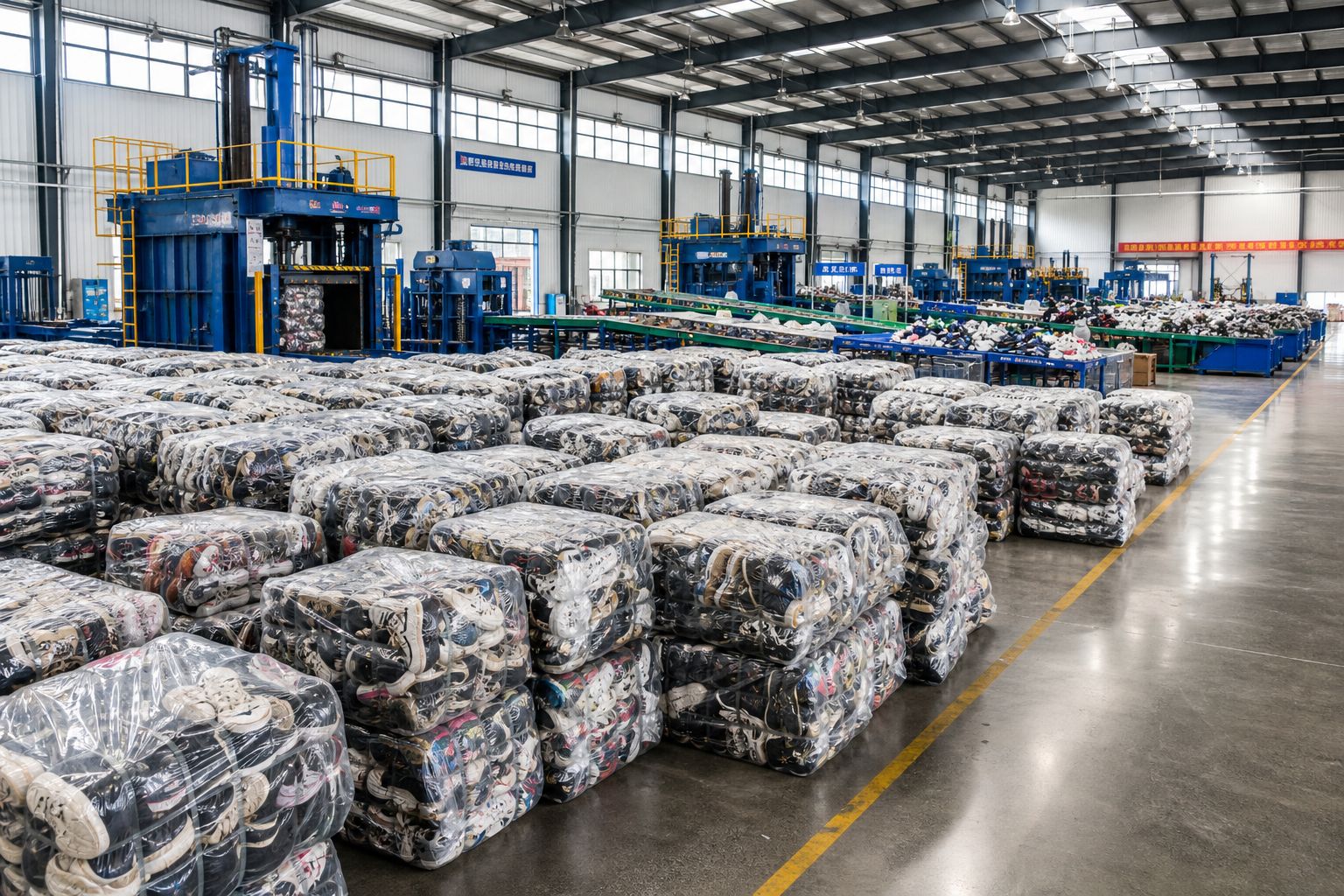
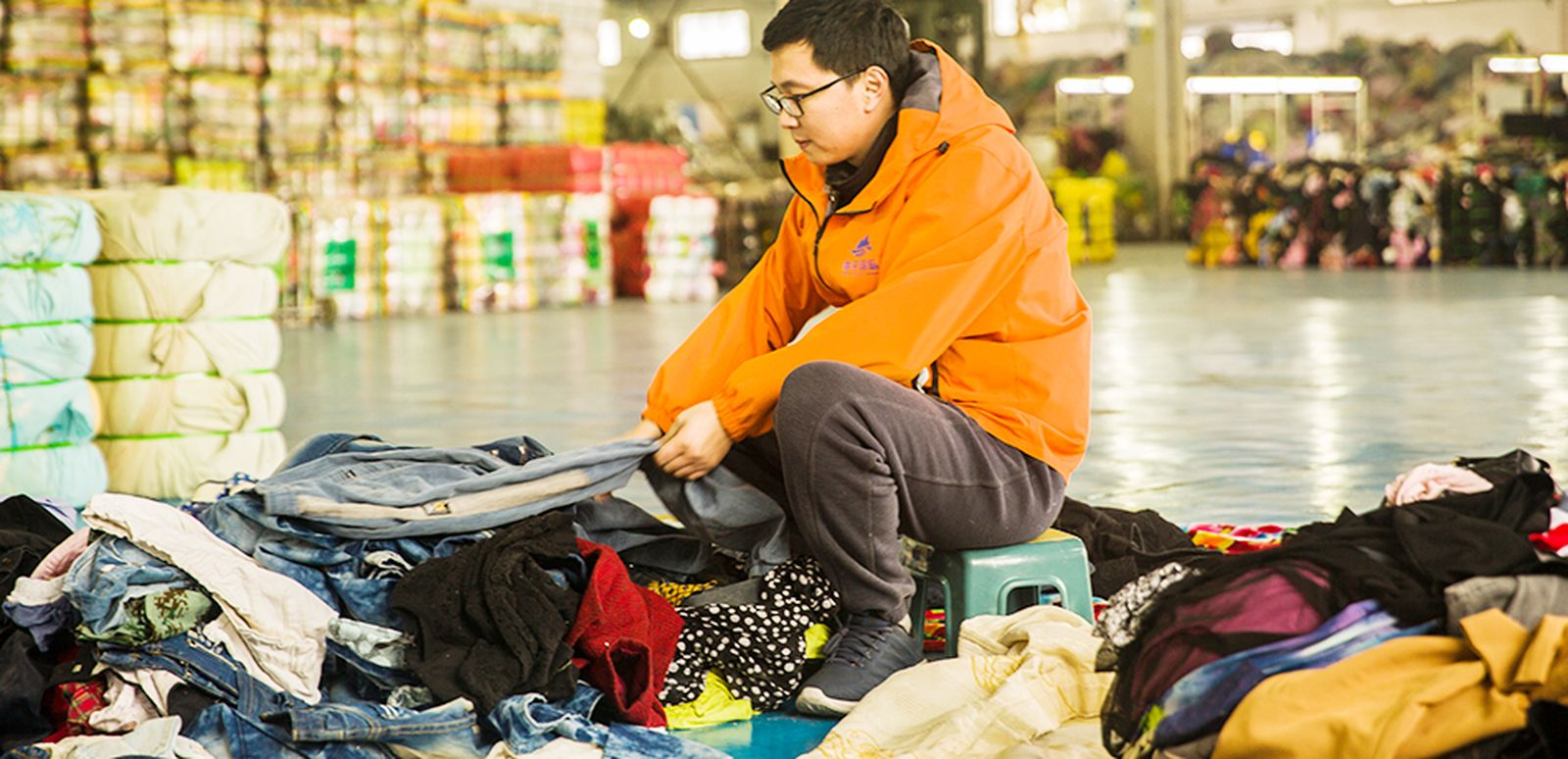
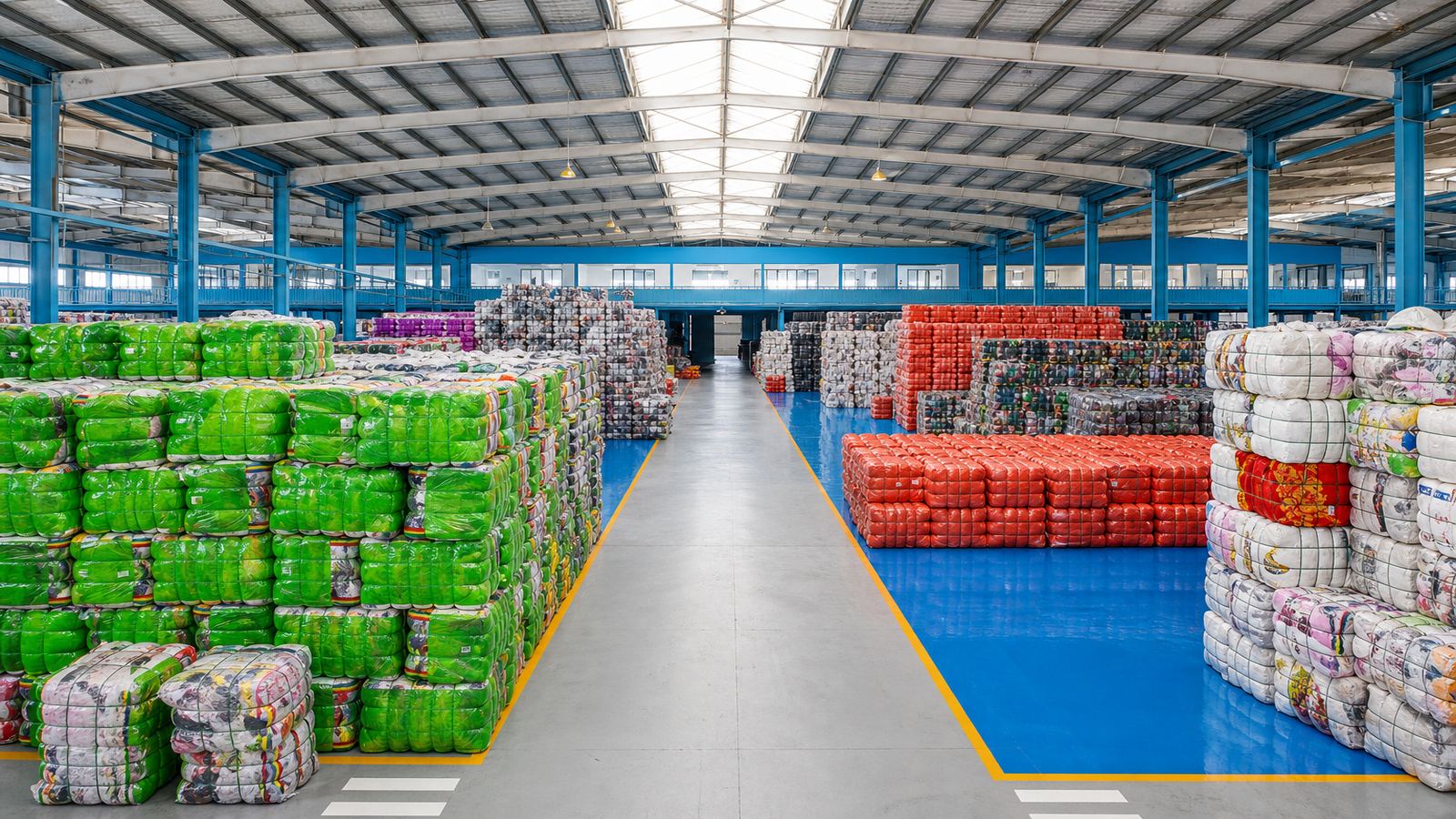
- Factory images
- Warehouse operations
- Customer testimonials
- Container loading scenes
Some of this content looks highly realistic.
However, the key issue is:
Visual content is no longer reliable proof of capability.
Buyers can no longer depend on images alone to evaluate a supplier.
2. AI Is Changing How Buyers Search for Suppliers
Another major transformation is happening in buyer behavior.
Instead of searching keywords like:
“used clothing supplier China”
Buyers now ask AI tools:
- Who is a reliable used clothing supplier?
- Which factories export to Africa?
- Where can I buy used clothes bales directly?
This shift means:
Suppliers are now discovered through answers, not just search results.
3. AI Is Increasing the Risk of Misleading Information
As AI is changing the used clothing industry, it is also lowering the cost of creating misleading content.
This creates risks such as:
- Fake factory scale
- Unrealistic product quality
- Non-verifiable customer cases
For buyers, the challenge is no longer finding suppliers—it is identifying trustworthy ones.
Why the Used Clothing Industry Is More Vulnerable to AI Risks
Unlike standardized products, used clothing depends heavily on subjective evaluation.
Key factors include:
- Grade (A, B, Cream, Mixed)
- Sorting quality
- Seasonal balance
- Bale consistency
Two suppliers may both claim “Grade A,” but deliver very different results.
With AI involved, this gap can become even harder to detect.
From SEO to GEO — A New Competition Layer
As AI is changing the used clothing industry, a new concept is emerging: GEO (Generative Engine Optimization).
Instead of only ranking on search engines, companies now aim to be:
Recommended by AI systems.
Some businesses attempt to manipulate this through:
- Mass AI-generated content
- Artificial authority signals
- Content networks
However, this approach is risky.
AI systems are increasingly capable of cross-checking information across multiple sources.
The Real Shift — Trust Becomes the Competitive Advantage
The biggest impact of AI is not technology.
It is trust.
AI has made it easier to create content, but harder to verify it.
As a result:
- Buyers are more cautious
- Verification steps are increasing
- Long-term partnerships are prioritized
In today’s market, trust is built through consistency, not appearance.
How to Verify a Reliable Used Clothing Supplier
To reduce risk, buyers should follow these practical steps:
1. Request Continuous Video Proof
Ask for:
- Multiple dates
- Different orders
- Real-time factory walkthroughs
Consistency is more important than perfection.
2. Check Bale Opening Process
A reliable supplier should provide:
- Full bale unpacking videos
- Random selection (not staged)
- Close-up quality checks
3. Verify Export Experience
Ask questions like:
- Which countries do you export to?
- Can you show shipment records?
- Do you have repeat clients?
4. Start with a Trial Order
Avoid large orders at the beginning.
Test with:
- Sample bales
- Partial containers
5. Evaluate Communication Transparency
- Do not overpromise
- Explain limitations clearly
- Provide consistent answers
How We Adapt to These Changes
At KingAAA, we recognize that AI is changing the used clothing industry—but real business still depends on real operations.
We use AI for:
- Data analysis
- Workflow optimization
- Market insights
But we focus on:
- Real factory processes
- Consistent bale quality
- Transparent communication
- Long-term partnerships
Because in this industry:
Real operations create real value.
Final Thoughts
AI is changing the used clothing industry in many ways.
It is improving efficiency, expanding access to information, and reshaping how buyers connect with suppliers.
But at the same time, it is making trust more difficult—and more valuable.
In the long run:
Reliable suppliers are not those who look the best online,
but those who can be consistently verified.
Looking for a Reliable Used Clothing Supplier?
If you are sourcing used clothes bales for Africa, the Middle East, or Southeast Asia, we can help.
Contact us for:
- Latest stock availability
- Bale details and grading
- Packing information
- Trial order options
Let’s build a long-term partnership based on trust and consistency.