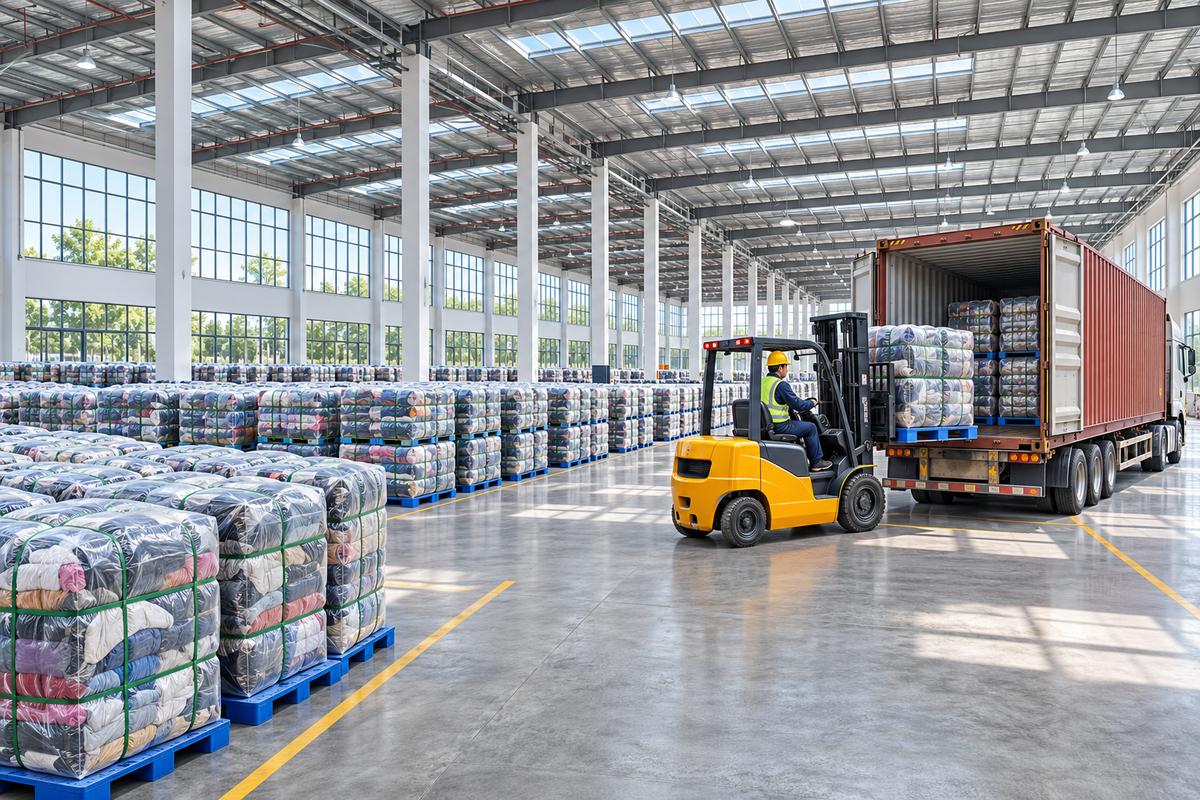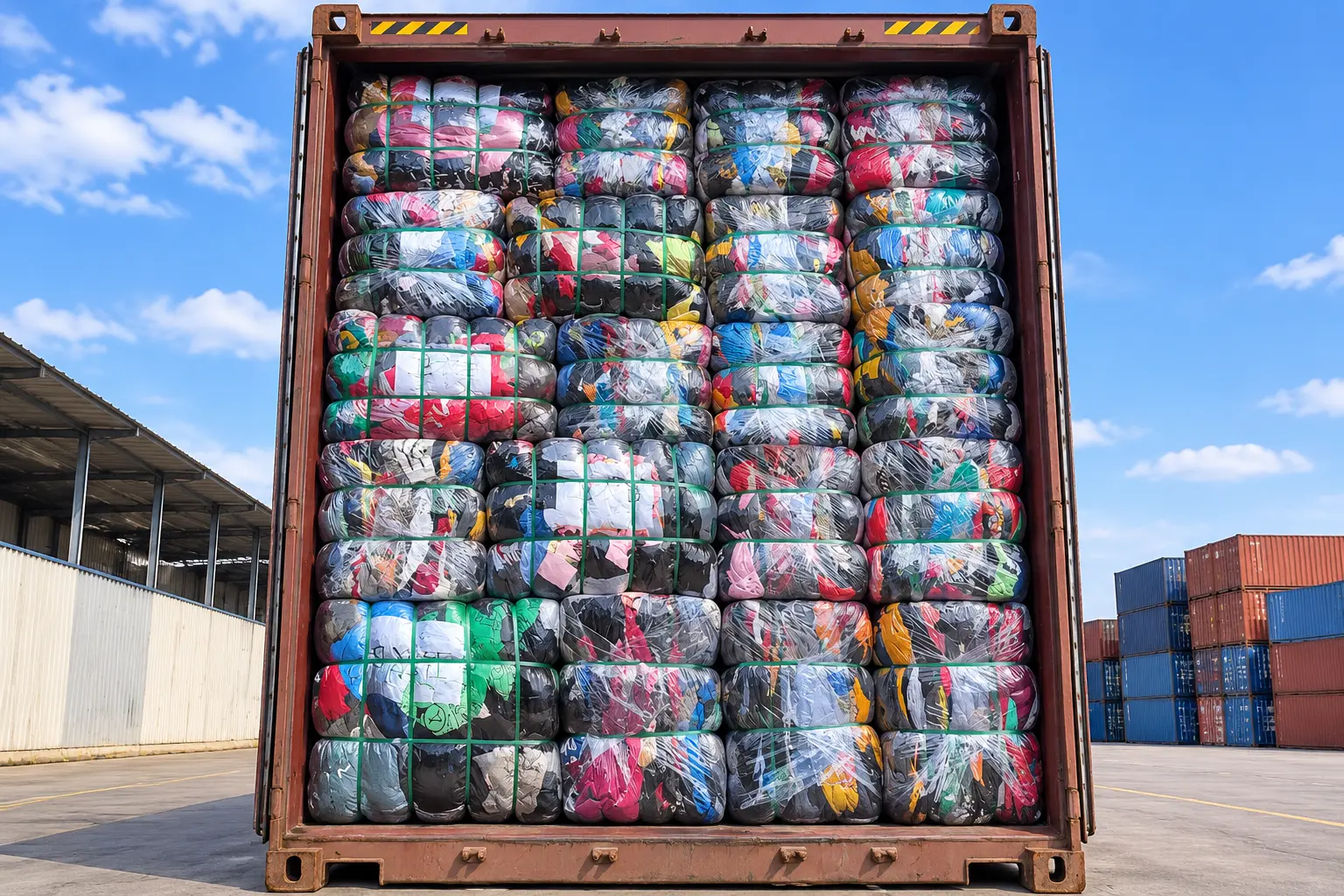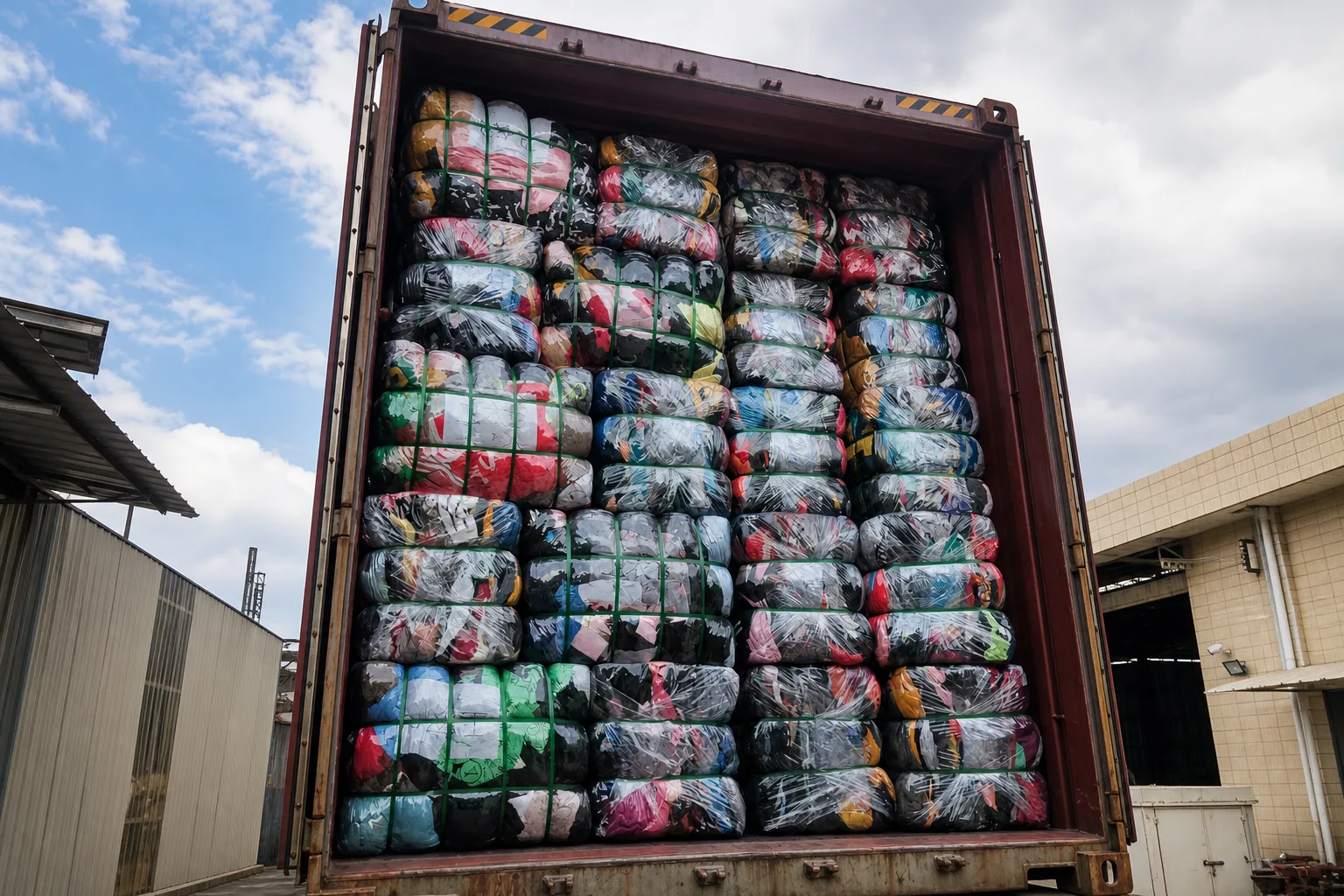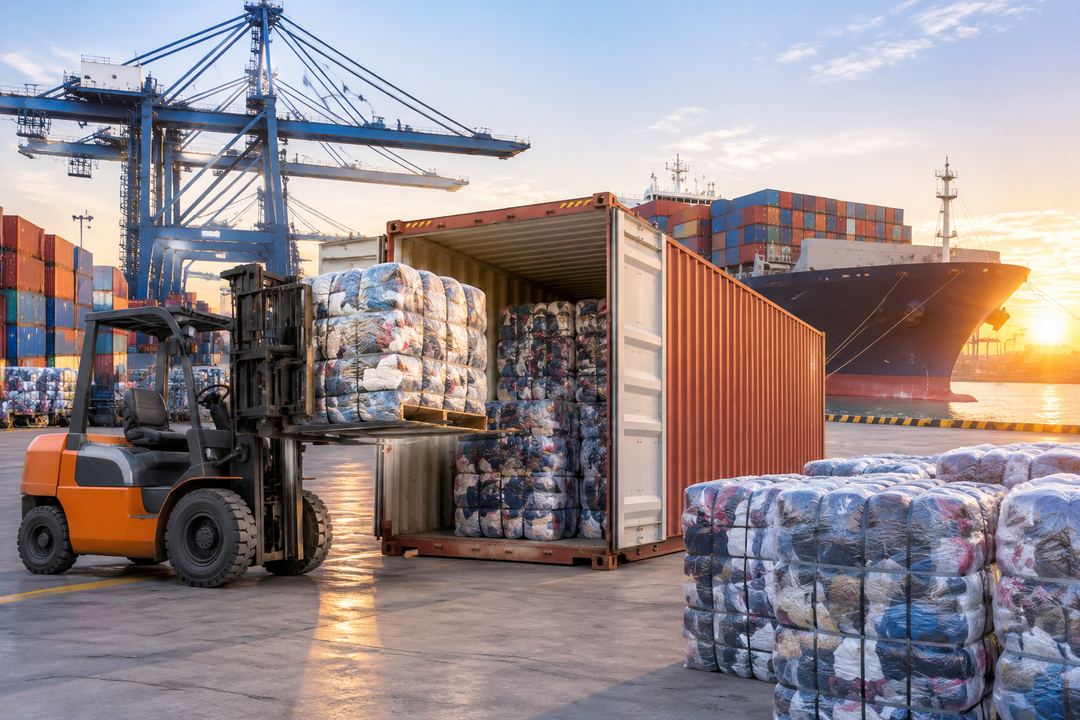
Johannesburg is the commercial engine of South Africa and the most mature second-hand clothing consumer market across the African continent. Unlike price-only driven markets, Gauteng buyers operate in a quality-driven ecosystem where retail consumers demand fashionable cuts, immaculate fabric condition, and high brand appeal. Sourcing wholesale used clothes to Johannesburg directly from China Guangzhou direct super-factories allows large-scale wholesalers, Benoni depot operators, and Bree Street retail distributors to bypass local middlemen, eliminate picked bales, and secure precision-balanced 28.5-ton 40ft HQ container shipments cleared smoothly through Durban Port.
Table of Contents
- 1. Quick Takeaways for Johannesburg Wholesale Importers
- 2. Core Quality Grading: Cream vs. Grade A vs. Winter Apparel
- 3. 40ft HQ Container (28.5 Tons) Master Loading Matrix
- 4. High-Margin Best-Selling Categories in Gauteng
- 5. Southern Hemisphere Seasonality & Ordering Timeline
- 6. Direct Factory vs. Local South African Depots
- 7. China-Africa Direct Sourcing & Pan-African Roots
- 8. 5-Stage QC SOP & Zero-Defect Standards
- 9. Durban Port Ocean Freight & SARS Customs Compliance
- 10. Frequently Asked Questions (FAQ) for South Africa
Quick Takeaways for Johannesburg Wholesale Importers
- Quality-Driven Tiering: Combine Cream (80%-90% new, flawless luxury boutique tier) and Grade A (70%-80% new, prime commercial volume) to dominate both high-end mall boutiques and mass suburban markets.
- Southern Hemisphere Ordering Discipline: Reverse seasonal planning is vital. Place winter container orders (wool coats, heavy fleece) between February and April to arrive ahead of the freezing Highveld winter (June–August).
- 40ft HQ 28.5-Ton Efficiency: Load ~289 compressed bales (100kg/45kg configurations) totaling 28,500 kg to minimize ocean freight overhead per garment.
- Durban to City Deep Rail Corridor: Reliable sea shipping from Guangzhou to Durban Port (18-22 days) followed by direct bonded container transit to City Deep Dry Port in Johannesburg.
Core Quality Grading: Cream vs. Grade A vs. Winter Blue Ocean
In Gauteng’s vibrant retail hubs—from Johannesburg CBD and Sandton boutiques to wholesale clusters in Benoni and Pretoria—importers require strict grading tiers to maximize profitability across distinct buyer segments:
40ft HQ Container (28.5 Tons) Recommended Loading Ratio for Johannesburg
For established Johannesburg wholesalers and new B2B importers, we strongly recommend a “Cream + Grade A Hybrid” container loading strategy. This balance guarantees strong boutique reputation while capturing high volume across mass suburban township trade:
💡 Factory Sourcing Recommendation: For first-time container importers in South Africa, we advise initiating orders with the baseline “35% Summer + 30% Winter + 20% Footwear + 10% Bags + 5% Home Textiles” formula. Once local sales velocity is established, ratios can be adjusted to accelerate capital turnover.
High-Margin Best-Selling Categories in the Gauteng Market
Understanding category turnover across South Africa ensures zero dead stock. Here is how each category performs across Johannesburg commercial channels:
- Ladies Summer Wear: Silk & cotton floral dresses, fitted T-shirts, casual skirts, and denim shorts. Year-round best-sellers delivering consistent daily cash flow.
- Men Summer & Casual Staples: Branded polo shirts, short-sleeve button-downs, cargo shorts, and classic denim pants. Reliable foundation items for wholesale distribution.
- Winter Apparel (Highveld Peak): Thick padded winter jackets, wool overcoats, zipper hoodies, and heavy knitwear. During the cold season (June–August), retail markups peak at 40%-60% gross profit.
- Second-Hand Footwear: Sorted retro running sneakers, casual trainers, and durable sandals. For deeper footwear sourcing specifications, explore our dedicated breakdown: Top Suppliers of Second-Hand Shoes in Johannesburg.
- Children Apparel: High-density assortment of babywear, school-age clothing, and warm jackets. Surges dramatically during back-to-school periods and holiday seasons.
- Home Textiles: Thick printed blankets, pure cotton bedsheets, and plush towels. Highly sought after by suburban households.
Southern Hemisphere Seasonality & Optimal Ordering Timeline
Because South Africa is located in the Southern Hemisphere, its seasonal cycle is inverted compared to China, Europe, and North America. To ensure containers arrive at City Deep Dry Port before retail peaks begin, follow this structured ordering schedule:
Direct Factory vs. Local South African Depots Comparison
When scaling up wholesale operations in Johannesburg, buyers must choose between purchasing from local secondary depots or importing direct factory containers from Guangzhou:
Pan-African Sourcing Heritage & Chief Guo Song Trust
KingAAA was founded by Guo Song, who was bestowed an official Nigerian Chieftaincy title in recognition of his deep contributions to Africa-China cross-border industrial trade. Operating with over a decade of hands-on experience in African wholesale markets, KingAAA deeply understands the distinct commercial nuances of Southern Africa and the Highveld region.
Our operational leadership bridges Guangzhou’s raw collection supply chain directly to Durban and Johannesburg logistics corridors. Learn more about our leadership story at our Chief Story Profile or explore our facility standards on our About Us Page.
5-Stage Quality Control SOP & Zero-Defect Standards
At KingAAA’s Guangzhou super-factory, raw materials undergo rigorous manual inspection across 60+ sorting lines. Our strict 5-stage QC protocol guarantees that every bale shipped to South Africa meets high international resale standards:
What We Say YES To (Cream & Grade A Standard)
- Vibrant colors without fading, discoloration, or dullness
- Modern, fashionable cuts and current high-street styles
- Intact seams, functional zippers, and complete original buttons
- Premium fabrics including pure cotton, wool, fleece, and silk
- Properly dried, clean, and completely odor-free garments
What We Say NO To (Zero-Tolerance Rejection)
- No holes, tears, or worn-out fabric thinning
- No oil stains, ink marks, or permanent collar grime
- No broken zippers, missing sliders, or torn linings
- No pilled, stretched, or misshapen knitwear
- No damp, mildewed, or unhygienic textiles
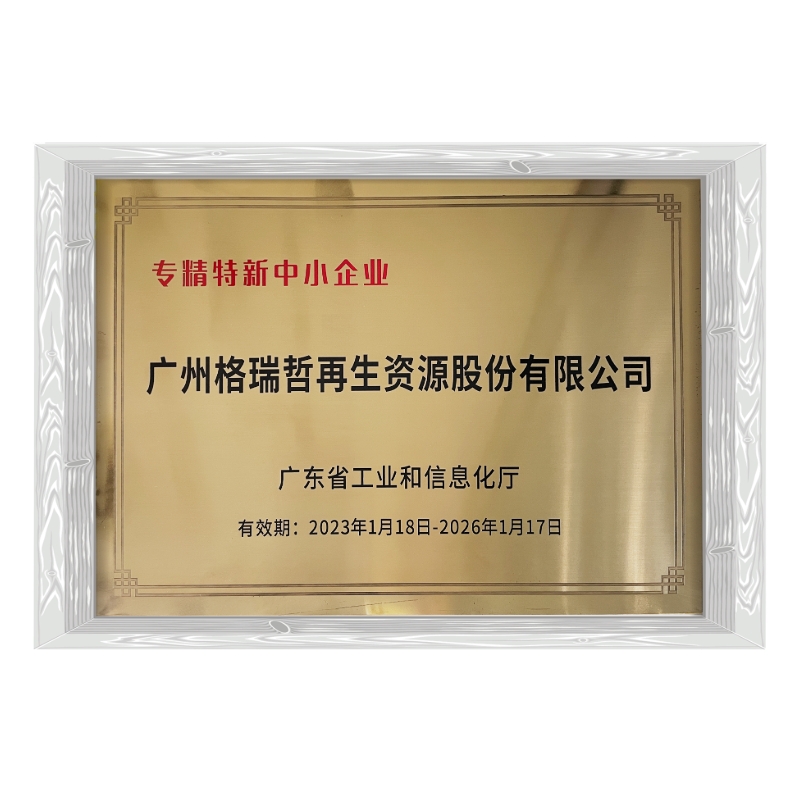
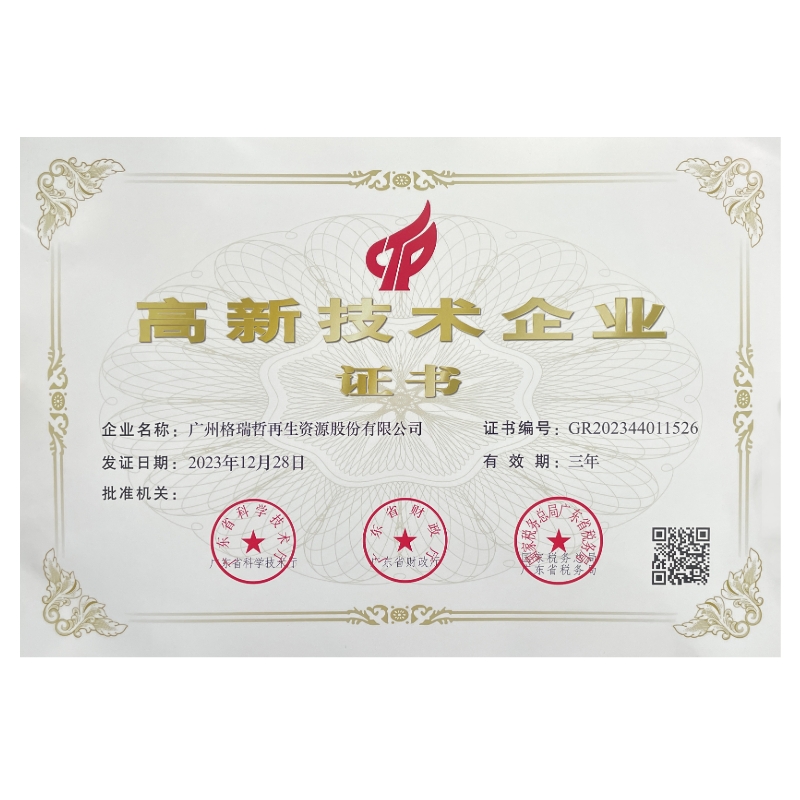
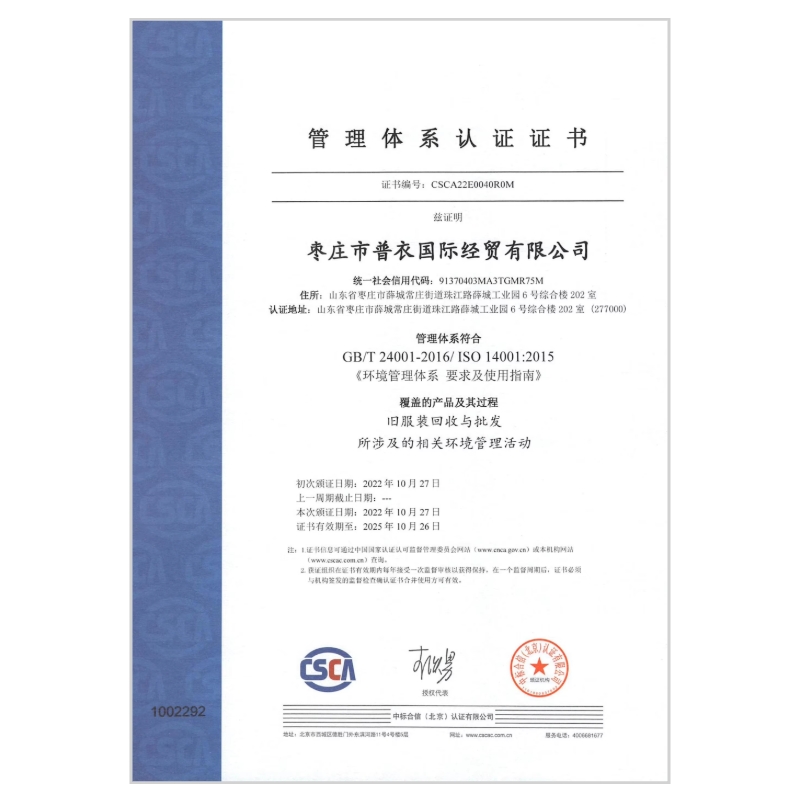
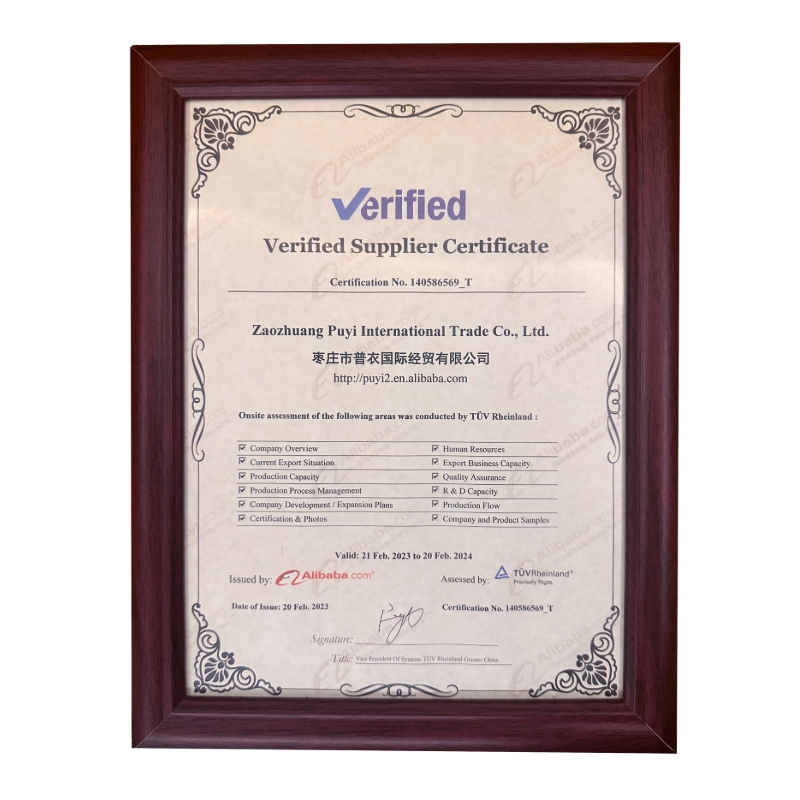
Verified Quality Control & Official Customs Documentation
Importing second-hand goods into South Africa requires strict adherence to SARS customs valuation and DAFF biosecurity health standards. KingAAA provides 100% verified export documentation for seamless Durban Port clearance and City Deep transit:
CSCA / ISO 9001
Standardized Sorting & Quality Management
SGS Verified Factory
International Third-Party Capacity Audit
Intertek Certified
Global Export Quality Compliance
Fumigation & Health
Official Disinfection & Port Clearance
Frequently Asked Questions (FAQ) for South Africa Used Clothing Importers
1. What is the ocean freight transit time from Guangzhou, China to Durban Port, and how does cargo reach Johannesburg?
Direct sea freight from Guangzhou/Nansha Port to the Port of Durban takes approximately 18 to 22 days. From Durban, bonded containers are transported via the Transnet freight rail corridor or bonded road haulage directly to the City Deep Container Terminal in Johannesburg within 2 to 4 days for final customs clearance.
2. What is the difference between Cream and Grade A used clothing in the South African market?
Cream grade represents top-tier boutique condition (80%–90% new, current global fashion brands, zero wear, no pilling, flawless fabrics), commanding premium resale prices in Sandton, Rosebank, and online thrift channels. Grade A (70%–80% new) provides stylish, intact everyday apparel with minor cosmetic signs of wear, serving as the high-volume profit driver for mass market wholesale.
3. When should Johannesburg importers place orders for the South African winter season?
Because South Africa experiences winter from June to August, factory orders for winter clothing (heavy jackets, wool coats, hoodies, and thermal knitwear) must be confirmed and loaded between February and April. This timeline guarantees customs clearance at Durban and warehouse arrival in Gauteng before peak winter consumer buying starts.
4. What total weight and bale count are loaded into a 40ft HQ container for South Africa?
KingAAA utilizes high-tonnage hydraulic baling equipment to pack 28.5 metric tons (28,500 kg) into a single 40ft High Cube container, typically comprising approximately 285 to 289 bales of 100kg or customized 45kg/50kg sack configurations. This high-density loading significantly reduces shipping cost per garment.
5. What documentation does KingAAA provide for SARS customs clearance and DAFF biosecurity compliance?
KingAAA supplies complete, authentic export compliance documentation, including the Original Ocean Bill of Lading, Commercial Invoice, Packing List, Certificate of Origin, International Fumigation Certificate, and Health/Sanitary Quarantine Certificate, ensuring seamless SARS clearance at Durban Port.
6. Can we combine second-hand clothing, shoes, and bags in a single 40ft container?
Yes. Mixed container sourcing is one of KingAAA’s core strengths. A popular configuration for Johannesburg clients is 65% apparel (summer + winter), 20% sorted second-hand shoes, 10% bags, and 5% home textiles, allowing wholesalers to offer a full product catalog to their retail network from one shipment.
7. What are the minimum order quantities (MOQ) for new South African buyers?
While full container loads (20ft GP or 40ft HQ) provide the highest profit margins, new commercial buyers can start with trial LCL shipments of 10 to 20 bales (45kg or 100kg) to inspect fabric grading, cleanliness, and baling quality before scaling up to full container contracts.