Importing wholesale used clothes to Ethiopia presents a unique commercial dynamic distinct from lowland coastal African markets. Because major commercial centers such as Addis Ababa (home to Mercato, Africa’s largest open-air market), Hawassa, and Dire Dawa sit at altitudes exceeding 2,200 meters above sea level, Ethiopian consumer demand requires a substantial allocation of autumn and winter apparel—including hoodies, knitwear, zipper jackets, and children’s warm garments—alongside year-round summer staples. Sourcing directly from China Guangzhou super-factories enables Ethiopian B2B importers, retail distributors, and Mercato market wholesalers to bypass intermediate brokers, secure unpicked Grade A quality, and capitalize on a precision-balanced 28.5-ton 40ft HQ container loading strategy shipped directly through Djibouti Port.
Table of Contents
- 1. Quick Takeaways for Ethiopian Importers
- 2. Second Hand Clothes Wholesale in Ethiopia: Addis Ababa & Regional Demand
- 3. Direct Factory vs. Trading Broker Comparison
- 4. China-Africa Direct Sourcing & Pan-African Roots
- 5. 40ft Container Used Clothes Sourcing: Grade A Bales & Packing List for Ethiopia
- 6. 5-Stage QC SOP & Grading Standards
- 7. Djibouti Corridor Logistics & Customs Certification
- 8. Frequently Asked Questions (FAQ) for Ethiopia
Quick Takeaways for Ethiopian Importers
- Highland Climate Strategy: Capitalize on highland temperature variations by stocking autumn/winter hoodies, sweaters, and children’s warm wear during cooler months (November–February), while maintaining core summer stock year-round.
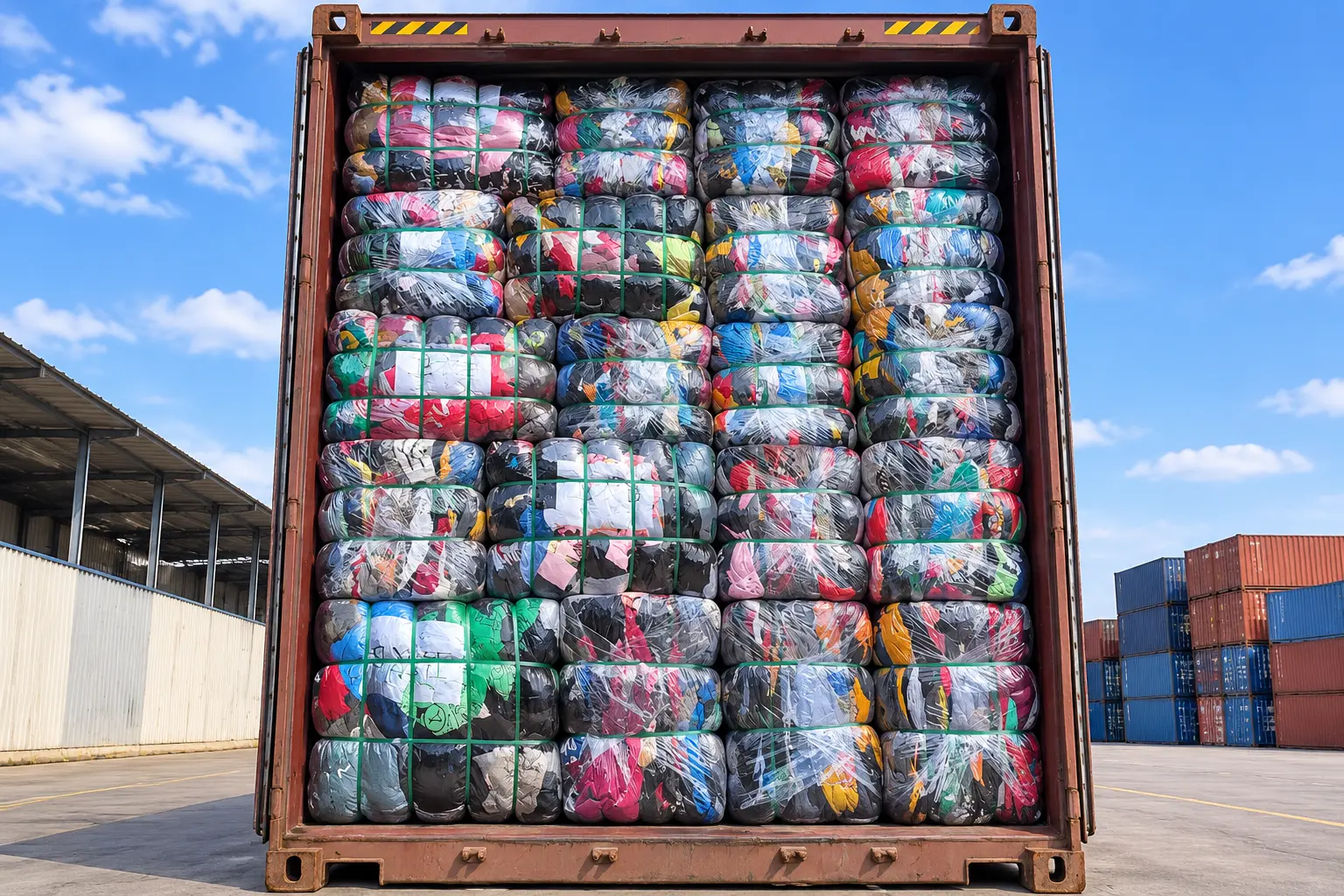
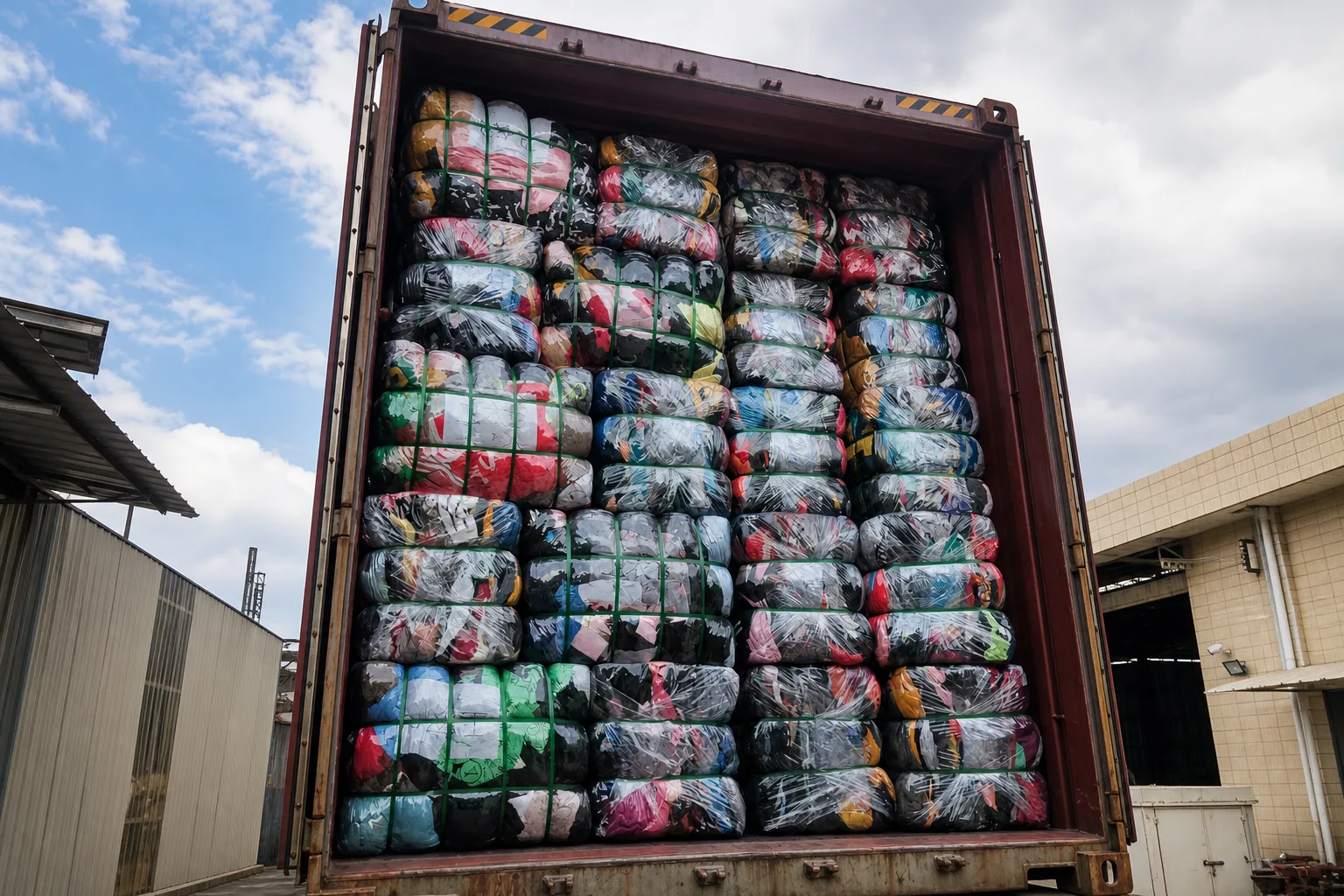
- 40ft HQ Capacity Optimization: Maximize container space utilization with high-density hydraulic baling up to 28.5 metric tons (~289 bales of 100kg/45kg specifications), significantly lowering freight cost per garment.
- Dual-Track Sourcing: Grade A garments serve as the high-margin retail flagship, supported by competitive Grade B selections and fast-turning seasonal apparel.
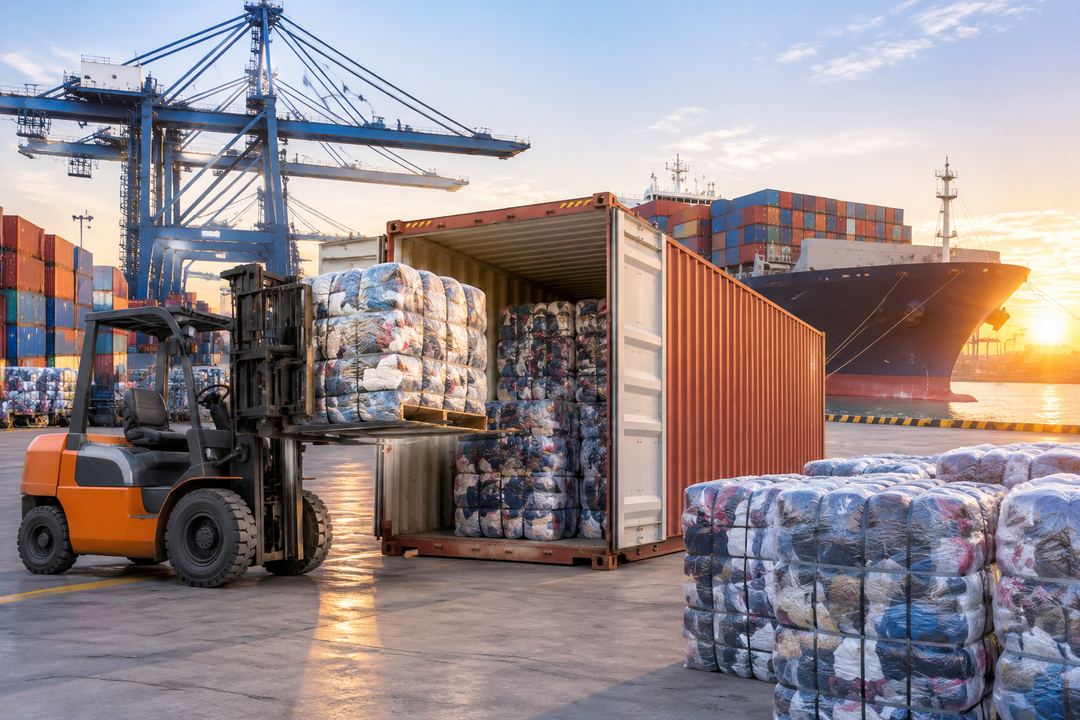
- Djibouti Transit Corridor: Professional ocean freight from Guangzhou to Djibouti Port (18-22 days) followed by secure bonded inland transit to Modjo Dry Port and Addis Ababa.
Second Hand Clothes Wholesale in Ethiopia: Addis Ababa & Regional Demand
Ethiopia’s geographic topography creates distinct microclimates across the country. In the central highlands, cities like Addis Ababa maintain cool evening temperatures averaging 10°C to 15°C year-round, with winter peaks between October and February. In open-air commercial centers such as Mercato in Addis Ababa—the primary distribution nexus for second hand clothing bales in Ethiopia—retailers and regional traders actively source imported bales tailored to these regional weather patterns.
To achieve optimal turnover across wholesale hubs in Addis Ababa, Shashemene, Bahir Dar, and Hawassa, successful Ethiopian clothing importers structure their inventory around three core pillars:
- Winter & Autumn Staples (High-Margin Category): Adult hooded sweatshirts, fleece jackets, knit pullovers, and light windbreakers. These second hand winter clothes bales capture premium resale value across Mercato retail stalls and highland boutiques.
- Children’s Autumn & Winter Apparel: Children’s long-sleeve knitwear, warm pants, and padded babywear. Families across Addis Ababa prioritize warm, durable clothing for children throughout the dry, chilly highland seasons.
- Year-Round Summer & Daily Wear: Lightweight ladies’ silk/cotton dresses, men’s short-sleeve T-shirts, casual pants, and wholesale second-hand shoes, ensuring steady commercial volume throughout the spring and summer cycles.
Direct Factory vs. Intermediate Trading Broker Comparison
When purchasing full container loads, Ethiopian importers must distinguish between authentic direct sorting factories in Guangzhou and intermediate commercial agents. Sourcing directly from an established Chinese super-factory protects your capital against picked bales and hidden markups:
Pan-African Sourcing Heritage & Chief Guo Song Trust
KingAAA was founded by Guo Song, who was bestowed an official Nigerian Chieftaincy title in recognition of his deep contributions to Africa-China cross-border industrial trade. Operating with over a decade of hands-on experience in African wholesale markets, KingAAA deeply understands the distinct commercial nuances of East Africa.
Our operational leadership bridges Guangzhou’s raw collection supply chain directly to East African logistics corridors. Learn more about our leadership story at our Chief Story Profile or explore our facility standards on our About Us Page.
40ft Container Used Clothes Sourcing: Grade A Bales & Packing List for Ethiopia
A standard 40ft High Cube container loaded at KingAAA is engineered to carry 28.5 metric tons (~289 bales in mixed 100kg and 45kg configurations). For Ethiopian wholesale clients, we customize the container loading matrix to balance high-margin winter items, stable fast-turning summer essentials, and complementary second-hand shoes and bags:
5-Stage Quality Control SOP & Sorting Discipline
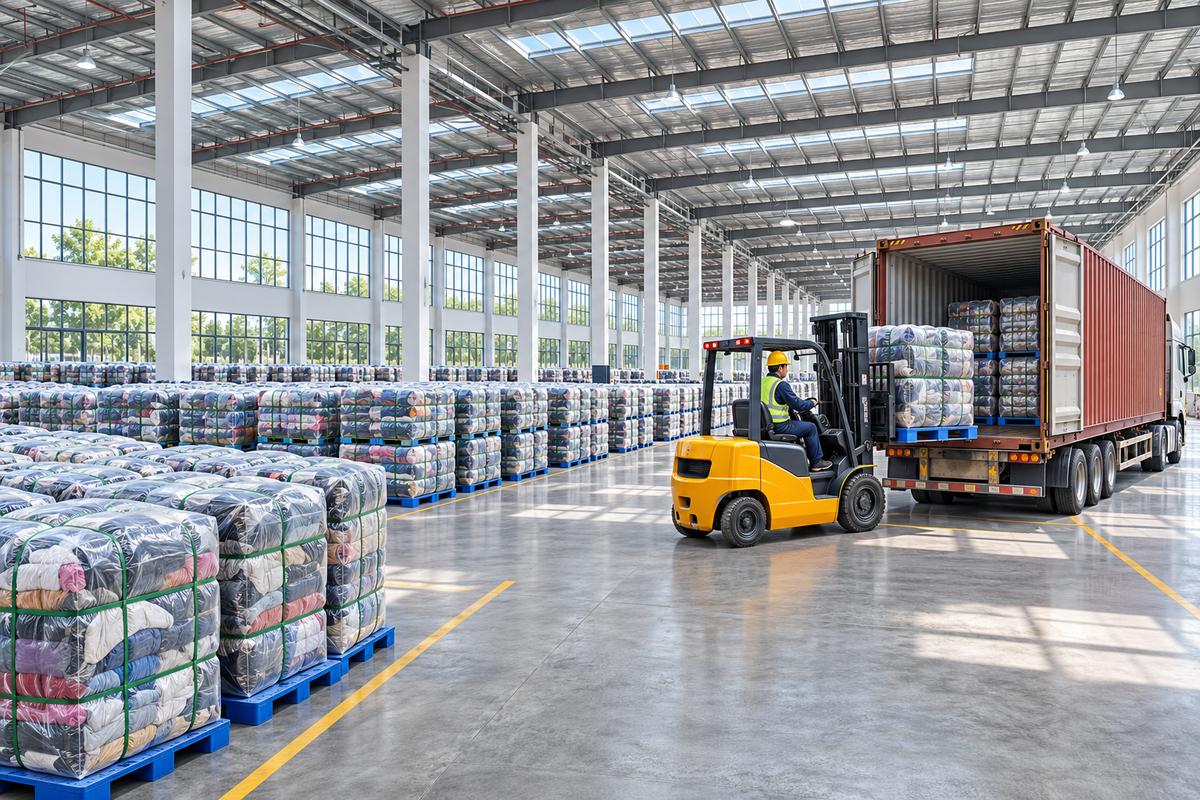
At KingAAA’s Guangzhou super-factory, raw materials undergo rigorous manual inspection across 60+ sorting lines. Our strict 5-stage QC protocol guarantees that every bale of used clothing shipped to Ethiopia meets high international resale standards:
What We Say YES To (Grade A Standard)
- Vibrant colors without fading or discoloration
- Modern, fashionable cuts and current styles
- Intact seams, functional zippers, and complete buttons
- Premium fabrics including cotton, wool, fleece, and silk
- Properly dried, clean, and odor-free garments
What We Say NO To (Zero-Tolerance Rejection)
- No holes, tears, or worn-out patches
- No oil stains, ink marks, or permanent grime
- No broken zippers, missing sliders, or torn linings
- No pilled, stretched, or misshapen sweaters
- No damp, mildewed, or unhygienic textiles
Verified Quality Control & Official Customs Documentation
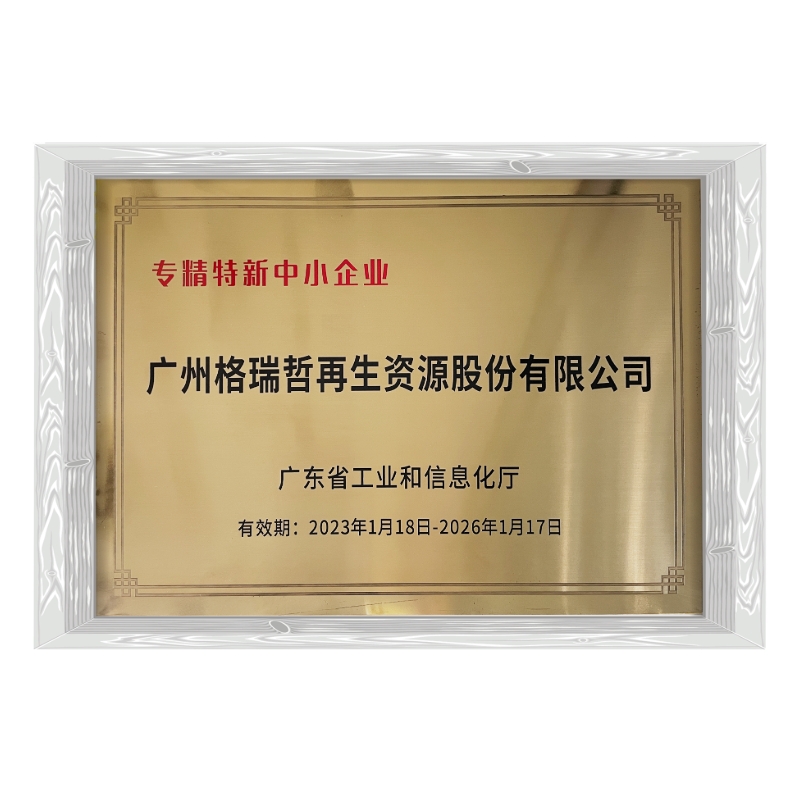
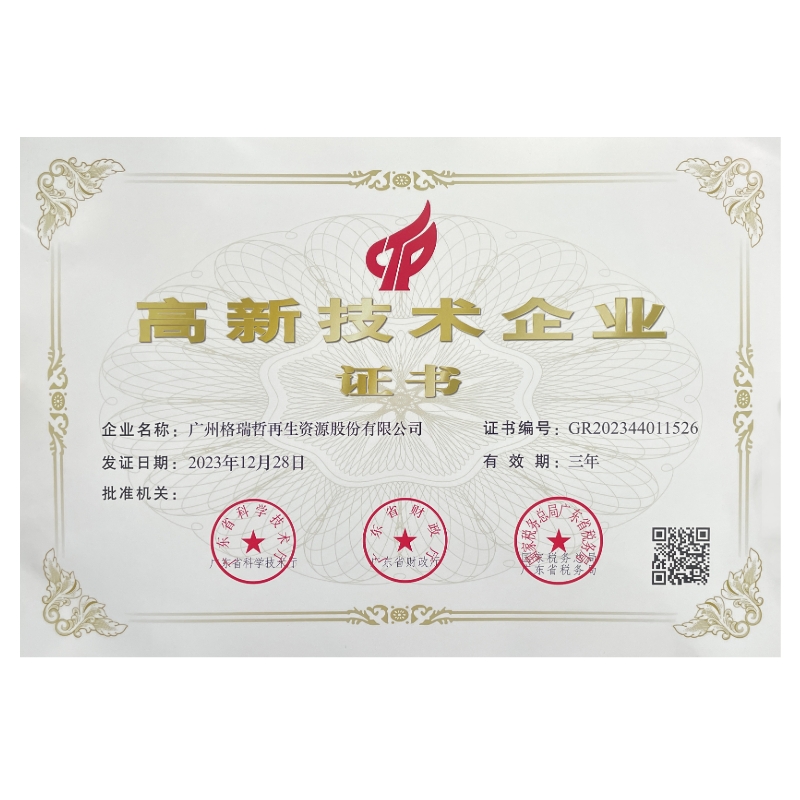
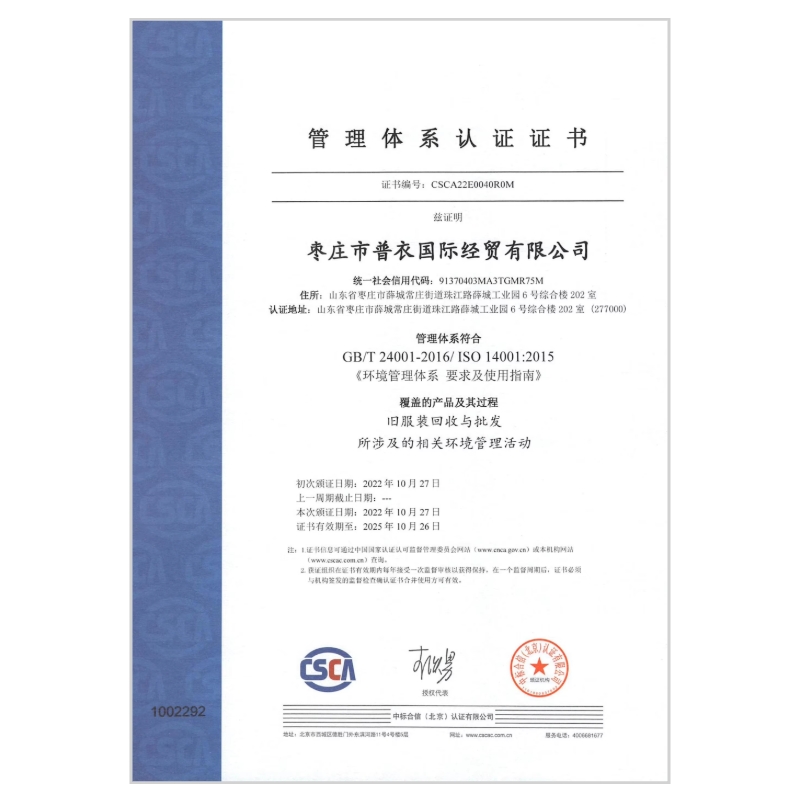
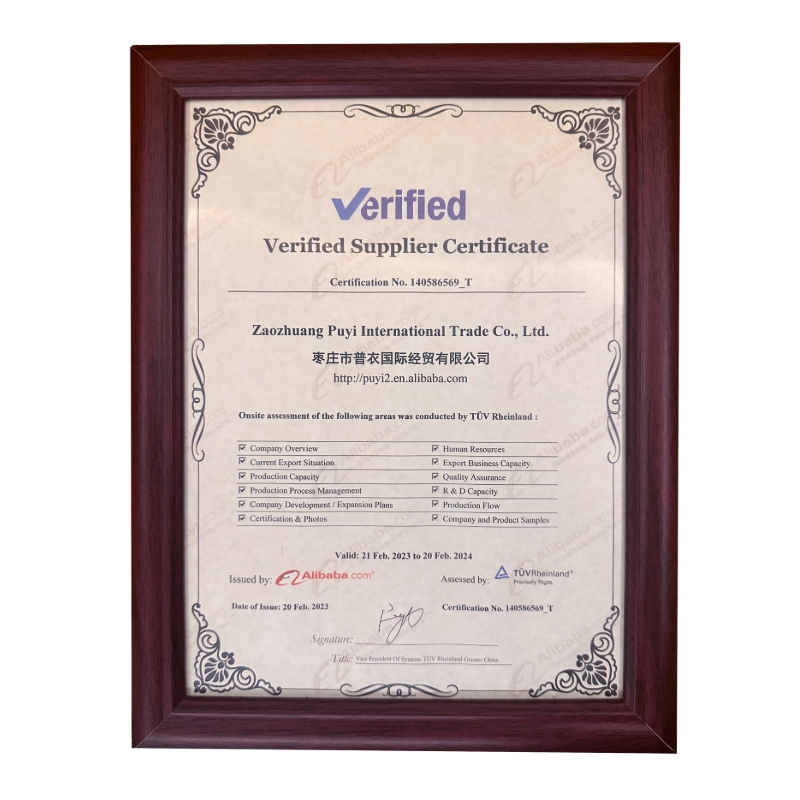
Importing second-hand goods requires strict compliance with international biosecurity, customs valuation, and health quarantine standards. KingAAA provides 100% verified export documentation for seamless destination port clearance:
CSCA / ISO 9001
Standardized Sorting & Quality Management
SGS Verified Factory
International Third-Party Capacity Audit
Intertek Certified
Global Export Quality Compliance
Fumigation & Health
Official Disinfection & Port Clearance
Frequently Asked Questions (FAQ) for Ethiopia Used Clothing Importers
1. How long does ocean freight take from Guangzhou, China to Djibouti Port, and what is the transit route to Addis Ababa?
Direct sea shipping from Guangzhou/Nansha Port to the Port of Djibouti takes approximately 18 to 22 days. Upon arrival in Djibouti, bonded transit cargo is cleared for onward transport via the Ethio-Djibouti Railway or heavy transport trucks directly to Modjo Dry Port (the main inland dry port near Addis Ababa) or destination customs terminals, taking an additional 3 to 7 days.
2. Why is autumn and winter clothing in high demand in Ethiopia compared to other African markets?
Unlike tropical coastal regions, major Ethiopian population centers such as Addis Ababa, Hawassa, and Debre Berhan are situated on high plateaus above 2,200 meters. Nighttime temperatures routinely drop below 10°C, and the dry winter season (Bega) creates strong consumer demand for hoodies, knitwear, windbreakers, and warm children’s wear.
3. What is the optimal 40ft HQ container loading ratio between Grade A, Grade B, and winter/summer items?
We recommend structured ratios based on your regional customer profile: approximately 60%–70% Grade A garments for maximum retail margin, complemented by 20%–30% Grade B selections for budget-conscious rural markets. Seasonally, a 40ft container loaded between September and January should carry 30%–35% winter hoodies/sweaters, 25% children’s wear, and 40% year-round summer staples.
4. What total weight and bale count are packed in a 40ft container from KingAAA?
KingAAA utilizes high-tonnage hydraulic balers to pack 28.5 metric tons (28,500 kg) into a single 40ft HQ container, typically consisting of approximately 285 to 289 bales of 100kg or customized 45kg/50kg configurations. This heavy-load efficiency minimizes ocean freight cost per garment for the importer.
5. Does KingAAA provide door-to-door customs clearance into Ethiopia?
In strict compliance with international trade laws and Ethiopian customs regulations, KingAAA does not make illegal door-to-door clearance guarantees. We quote transparent CIF Djibouti Port terms and provide complete, verified export documentation—including Bill of Lading, Commercial Invoice, Packing List, Certificate of Origin, Health/Sanitary Certificate, and Fumigation Certificate—allowing your local clearing agent to process inland entry smoothly.
6. What are the minimum order quantities (MOQ) and sample order policies?
While our primary operational focus is full container loads (20ft GP or 40ft HQ), new commercial clients can initiate trial orders starting from 10 to 20 bales (via LCL sea freight) to verify our Grade A sorting accuracy, fabric cleanliness, and baling density before scaling up to full container shipments.
7. Can KingAAA provide customized bale wrapping to protect goods during overland transit?
Yes. Every bale is tightly bound with heavy-duty polypropylene woven fabric and secured with high-tensile steel straps. For overland transit through desert and highland corridors from Djibouti to Modjo, we provide optional dual-layer transparent waterproof inner wrapping and customized buyer brand label markings.