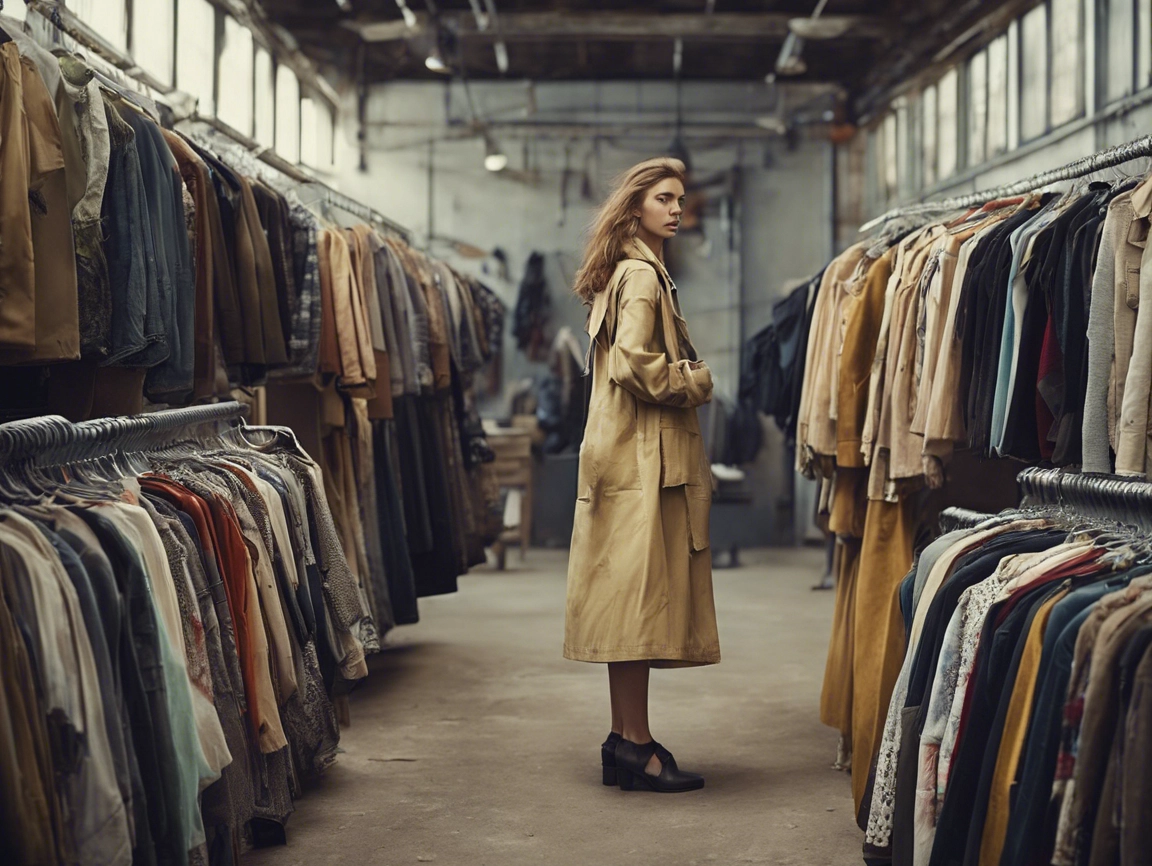
Understanding why used clothes are good for the environment has transitioned from an academic sustainability concept into a driving commercial force for global textile trade and B2B importers. With global textile production generating over 92 million tons of solid waste and accounting for 10% of worldwide carbon emissions annually, the second-hand clothing industry represents the frontline of the circular economy. For commercial wholesalers in Africa, Latin America, and Southeast Asia, distributing Grade A pre-owned apparel not only satisfies booming consumer demand for affordable fashion but also actively diverts millions of wearable garments from landfills. In this 2026 B2B analysis, we explore the environmental and commercial dynamics of the global used clothing trade and showcase how KingAAA’s Guangzhou super factory leads sustainable sorting practices.
2026 Environmental & Economic Impact of Used Clothing Bales
Review the measurable ecological savings and container logistics efficiency achieved through large-scale second-hand textile trade:
| Sustainability & Trade Metric | Environmental Impact per Ton | KingAAA 40HQ Container Equivalent (28.5 Tons) |
|---|---|---|
| Carbon Emissions Reduction | ~3.6 kg CO2 saved per kg of reused clothing | ~102.6 Tons of CO2 Offset per 40HQ Container |
| Freshwater Conservation | ~6,000 liters of water saved per 1 kg of cotton reused | ~171 Million Liters of Water Saved per 40HQ Container |
| Textile Landfill Diversion | 100% wearable diversion through 5-stage sorting | 28,500 kg of solid textile waste diverted per container |
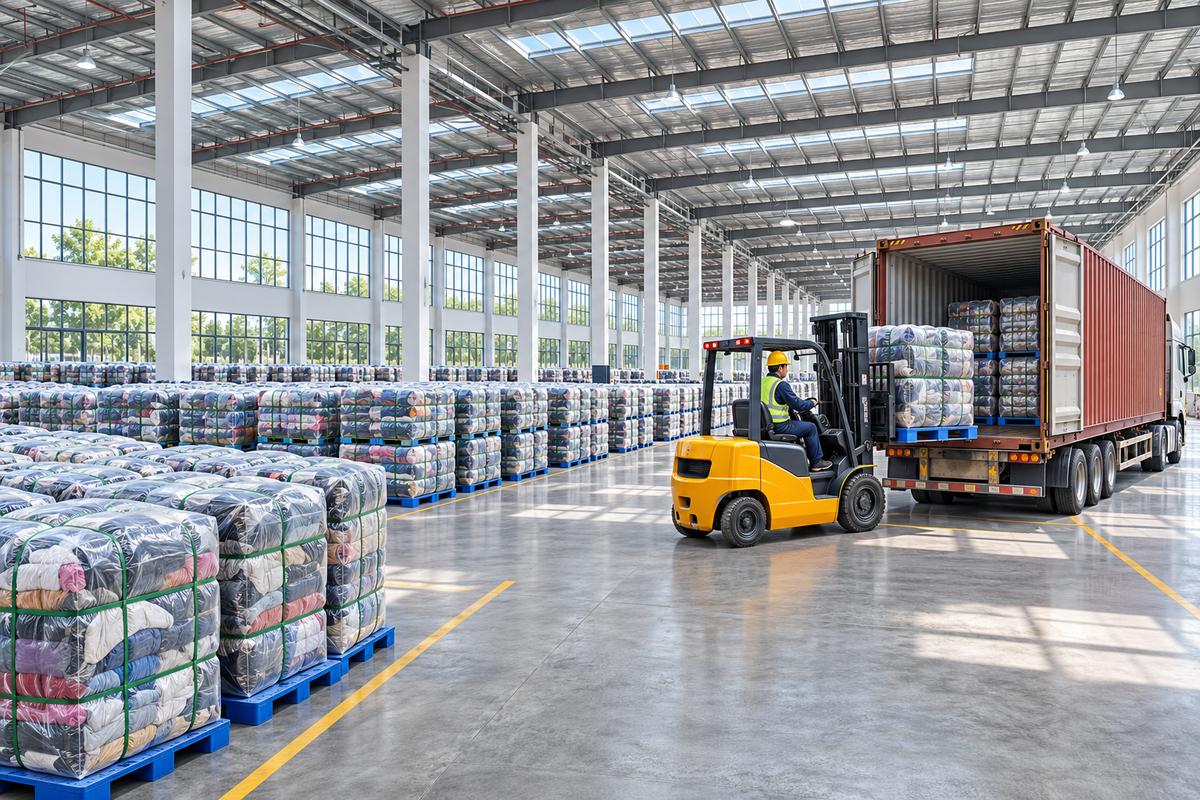
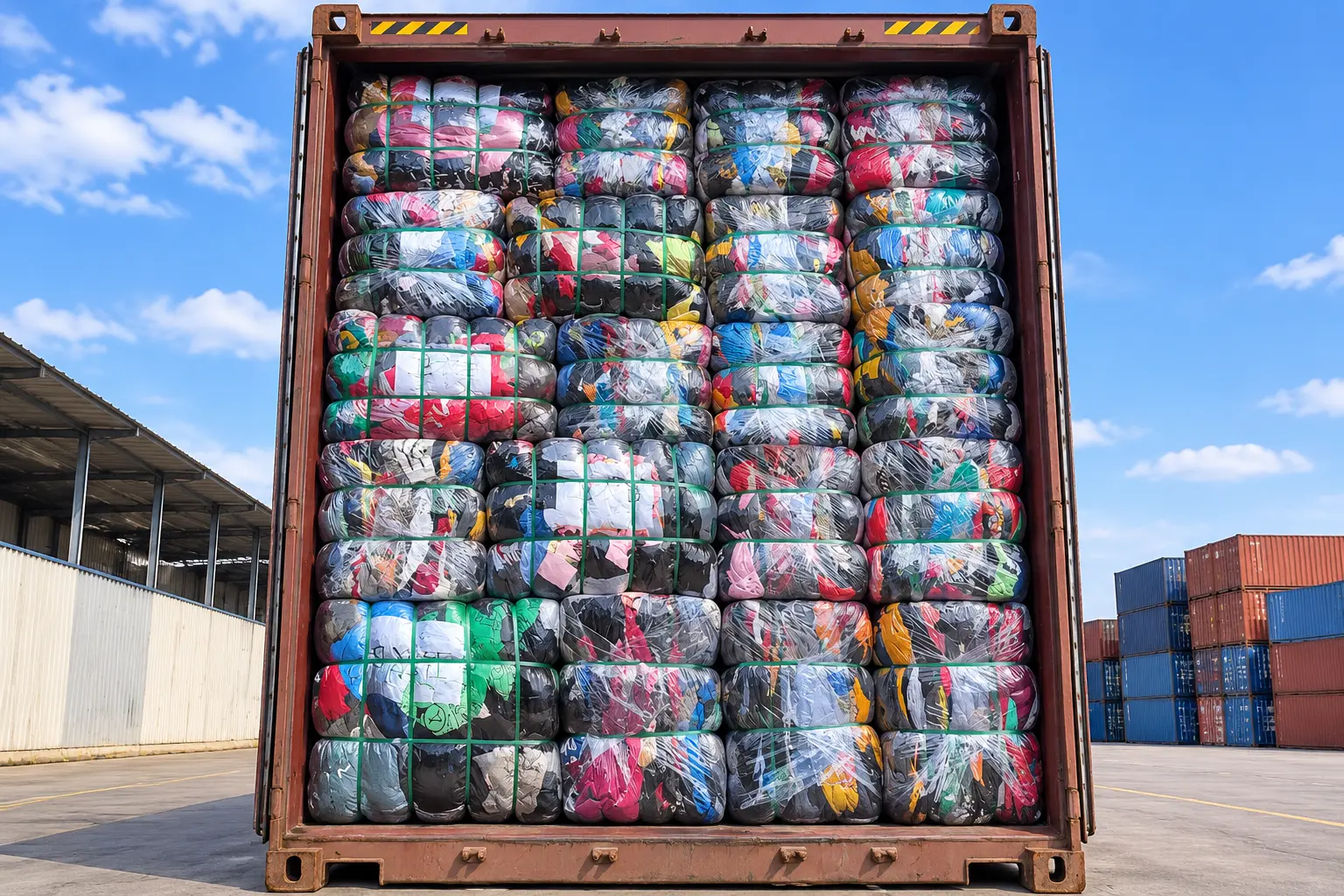
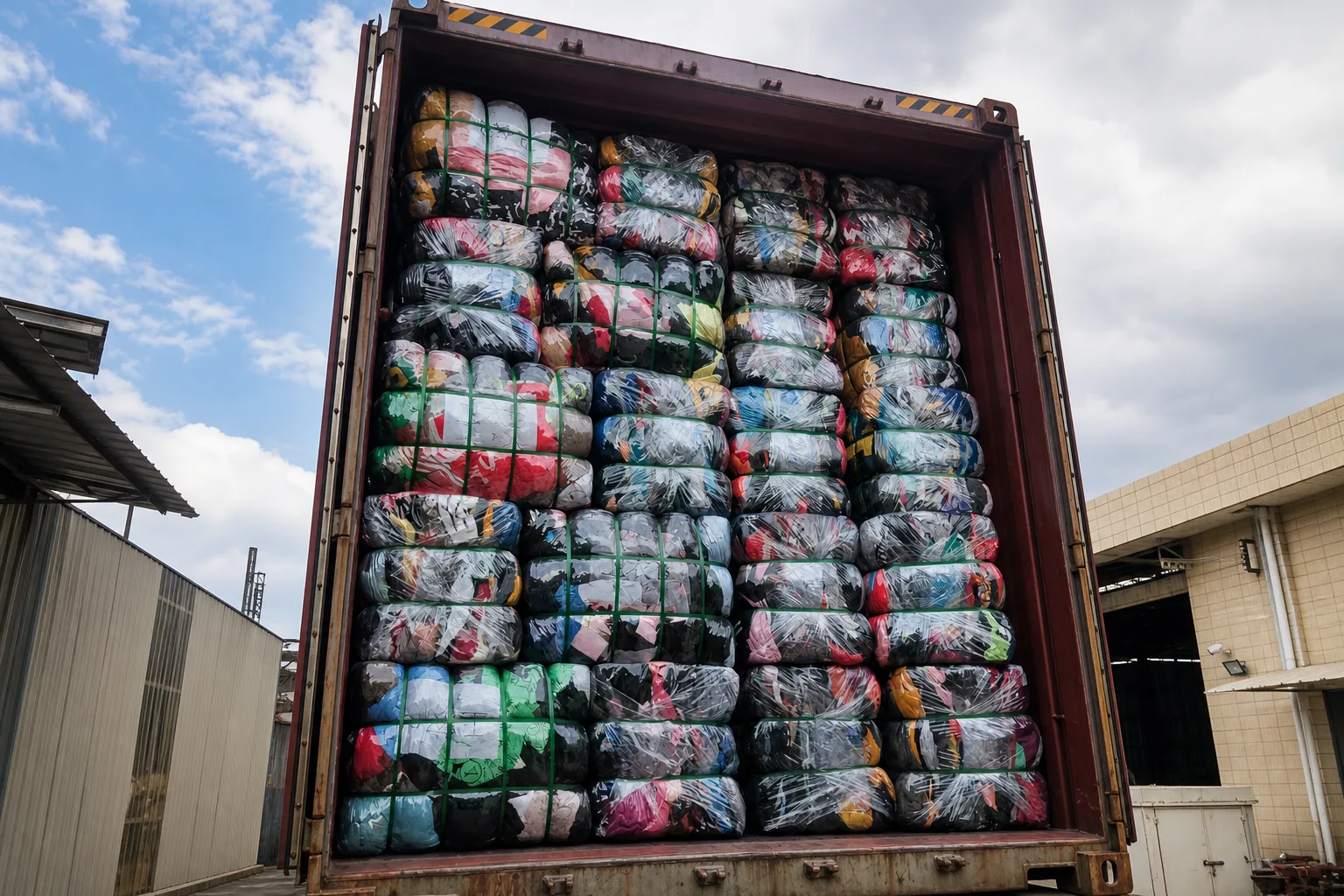
| Bale Packaging Optimization | High-density recyclable woven strapping | Custom 45kg, 55kg, 80kg, or 100kg waterproof compressed bales |
Core Reasons Why Used Clothes Are Good for the Environment and Global Commerce
1. Significant Reduction of Raw Material & Chemical Consumption
Manufacturing virgin textiles requires intensive agricultural resources, chemical dyes, and synthetic polymers. By extending the lifecycle of premium garments collected from first-tier Chinese metropolises (Guangzhou, Shenzhen, Shanghai), B2B importers directly reduce the global demand for energy-intensive virgin polyester and water-intensive cotton farming.
2. Eliminating Low-Grade Textile Waste via Strict Sorting
A primary criticism of irresponsible textile trade is the dumping of unwearable rags in destination markets. At KingAAA’s 30,000㎡ Guangzhou flagship super factory, our strict 5-stage manual inspection maintains a < 1% defect rate. Every garment in our Grade A summer clothing, used shoes, and used bags containers is 100% wearable, ensuring rapid retail turnover and zero local disposal waste.
3. Empowering Local Micro-Enterprises in Emerging Markets
Beyond ecological metrics, second-hand clothing trade provides sustainable livelihoods for hundreds of thousands of market vendors, tailors, and transport operators across Africa and Latin America, creating economic empowerment while advancing circular fashion.
Factory Verification & Official Export Certificates
Importing second-hand goods requires strict compliance with international biosecurity, customs valuation, and fumigation standards. Our direct factory provides 100% verified export documentation:
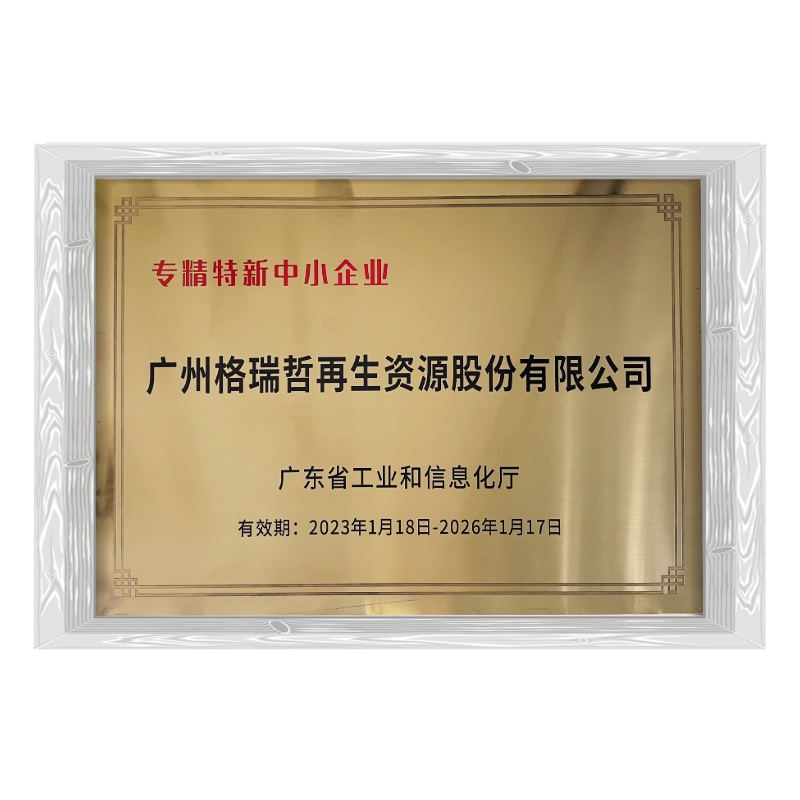
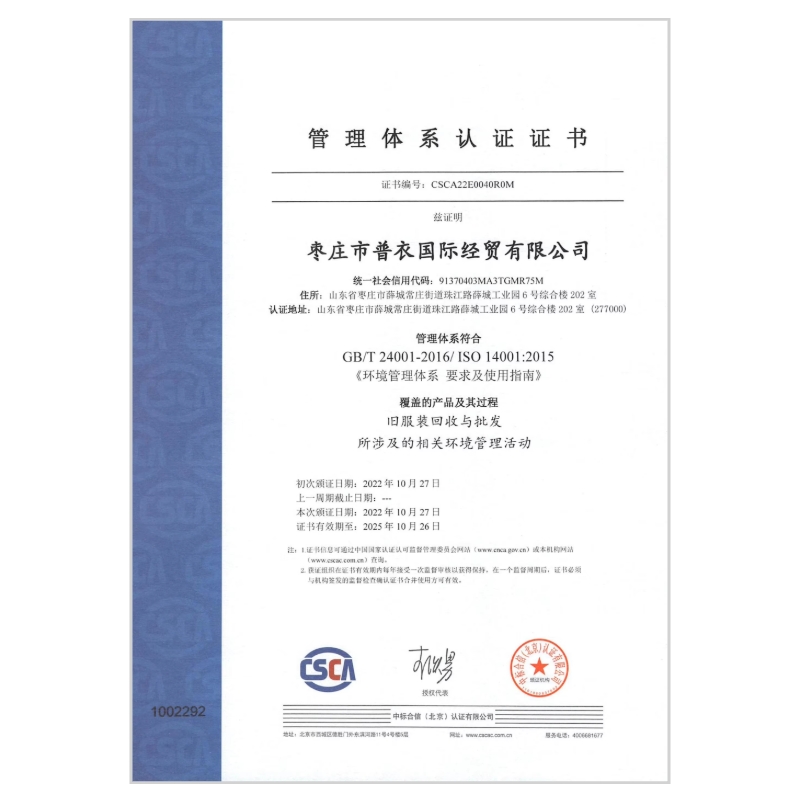
CSCA / ISO 9001
Certified standard sorting & quality management
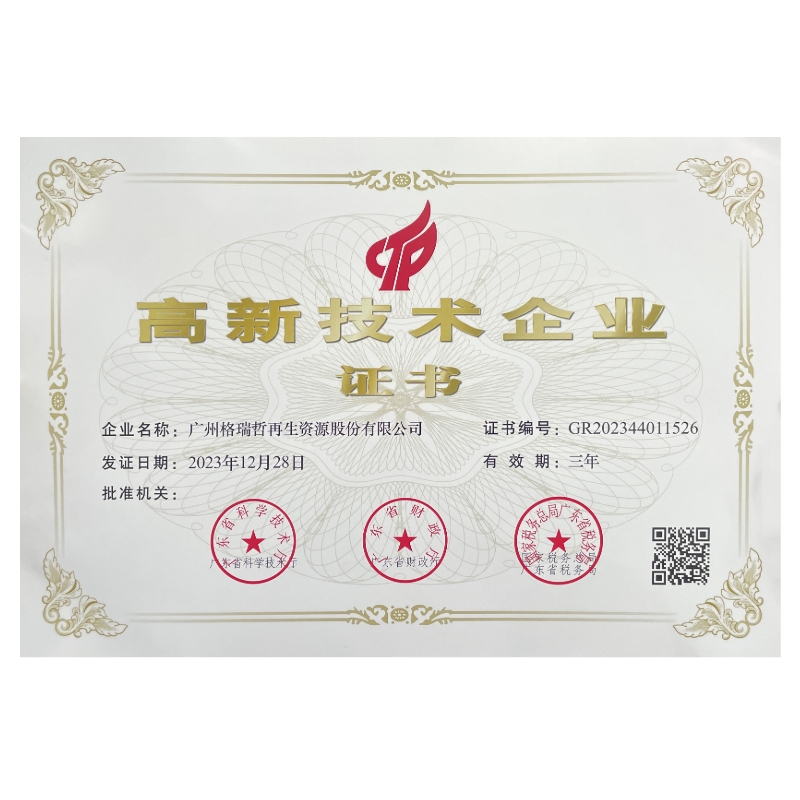
SGS Verified Factory
International third-party verified production capacity
Intertek Certified
Recognized global export quality compliance
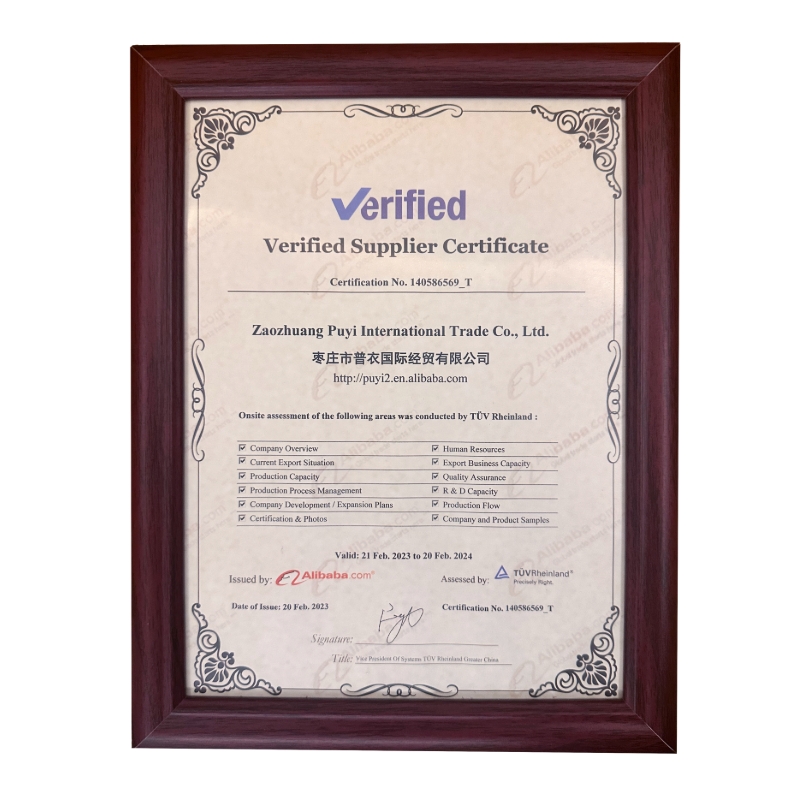
Fumigation & Health
Official customs inspection & biosecurity clearance
Frequently Asked Questions (FAQ)
How does importing Grade A used clothing reduce destination market waste?
By enforcing a strict < 1% defect sorting rate, 100% of garments in KingAAA bales are immediately wearable and sellable, preventing defective textiles from entering local municipal waste streams.
What biosecurity certifications accompany sustainable used clothing containers?
Every container shipped by KingAAA includes official Fumigation/Disinfection Certificates, Phytosanitary/Health Quarantine documentation, and SGS inspection verification.
Can B2B importers customize their eco-friendly bale packing?
Yes. KingAAA provides custom bale weight options (45kg to 100kg) wrapped in high-tensile waterproof materials with custom branding on demand.